
In the publicity release we received about this book, the title caught our attention right away… not the least because beef is this reviewer’s favorite meet as well. And the subtitle was attention getting as well… “Learn what packers, grocers and the government know, but don’t have to tell you!”
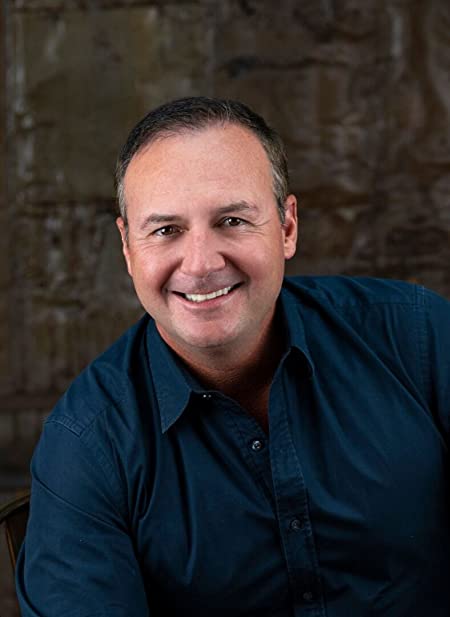
The author was introduced as “co-founder of Raise American, which provides 100 percent grass-fed, organic, American, friendly to our planet beef is an organic food entrepreneur and an absolute beef freak. He left a successful career in the IT industry to co=found what is now the largest organic beef company in the U.S.”
What’s organic, what’s the difference between grass-fed and conventionally finished beef, and why the “product of the USA label doesn’t necessarily mean your beef came from here… these topics he handles in an informative and easy-to-read style with a bit of humor here and there. He follows the process from cow to consumer including details of harvesting at the kill plant.
While he credits USDA for doing good work of inspection to keep meat safe, he describes the very close relationship between that agency and the industry… NCBA and the Meat Institute are on speed dial, he says. My enthusiasm for medium rare burgers has also been appreciably diminished.
From an environmental perspective he cites the outdated and incorrect articles in the Guardian newspaper claiming that cattle and livestock rival the fossil fuel industry in the production of methane. It shows that Professor Mitloehner of UC Davis has more work to do, documenting the true proportions between industry and agriculture and the different impacts of methane and CO2 .
His references to dairy cattle relegate them only to hamburger and he makes no mention of the growing use of beef sires on dairy cows and how these crossbreds might impact the market.
Looking ahead, he describes the development of cultured or ‘lab’ meat claiming it can be produced with less environmental impact and in a clean and healthy way which makes me wonder about his fundamental interest in cattle. He does raise a question about the “plant based” meat used in the Impossible burger, citing an author who claims the SLH, or soy-based protein does not meat FDA requirements for safety in human consumption.
All in all, the author provides a detailed and readable account of beef today and how you can enjoy a wide range of beef cuts and products in your kitchen. He advocates a decentralized supply chain encouraging more regional processing. Not surprisingly, his “perfect” beef cattle in the future will be fed more clover and seaweed and less corn.
Be the first to comment