
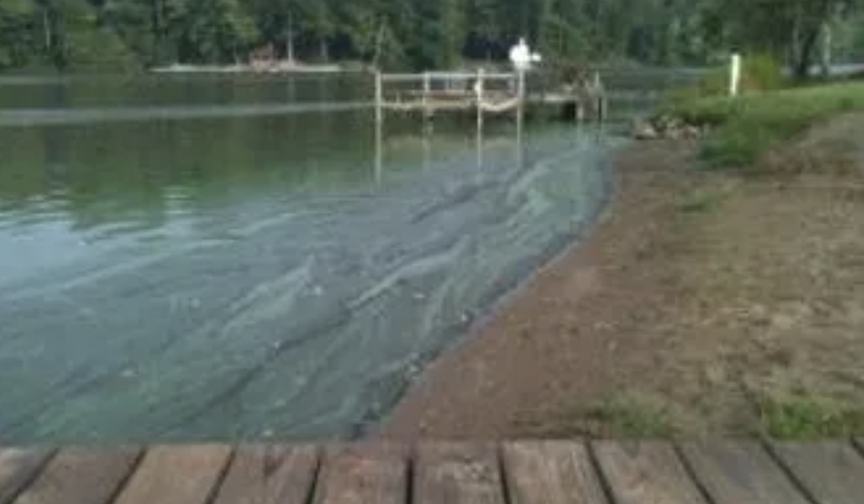
These cyanobacteria are common in Pennsylvania waters during the summer months.
If you’ve spent time near Pennsylvania waters during the summer, you’ve probably noticed green scum, streaks, or discolored water along the shoreline. While not every patch of green material is cause for concern, some may be harmful algal blooms (HABs). Learning how to recognize potential blooms can help you make informed decisions to protect yourself, your family, and your pets.
What Are Harmful Algal Blooms?
These blooms become harmful when they:
- Produce toxins that can make people, pets, and wildlife sick
- Create unpleasant tastes and odors in drinking water
- Discolor the water, forming green, blue-green, brown, or reddish scums
- Reduce oxygen levels as they break down, which can sometimes lead to fish kills
Staying Safe Around the Water
To stay safe:
- Avoid water that appears discolored or has visible scums or mats
- Follow all posted advisories, even if the water looks clear
- Keep pets and children away from suspected blooms
- Rinse off with clean water after swimming or other water activities
Before visiting your favorite water body, check historic and current HAB conditions as well as any existing advisories using Pennsylvania’s Harmful Algal Bloom Dashboard or contact local park managers or health departments to ask about current conditions.
Identifying Harmful Algal Blooms
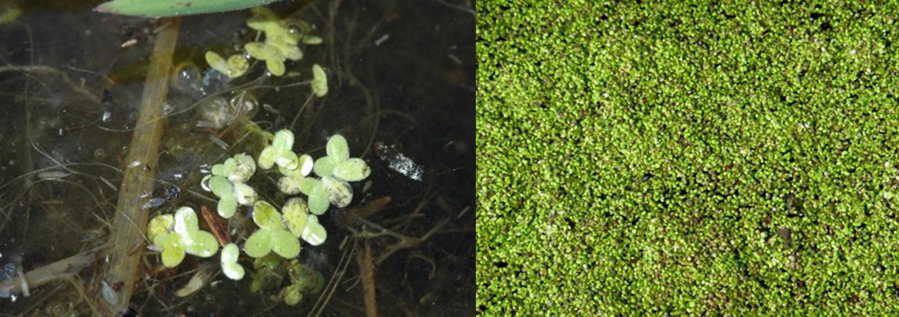
Not all green material in the water is a harmful algal bloom. It is unlikely to be cyanobacteria if it:
- Has leaf-like structures or roots
- Forms long, stringy mats that can be lifted from the water with a stick
- Is firmly attached to rocks, plants, or the lake bottom
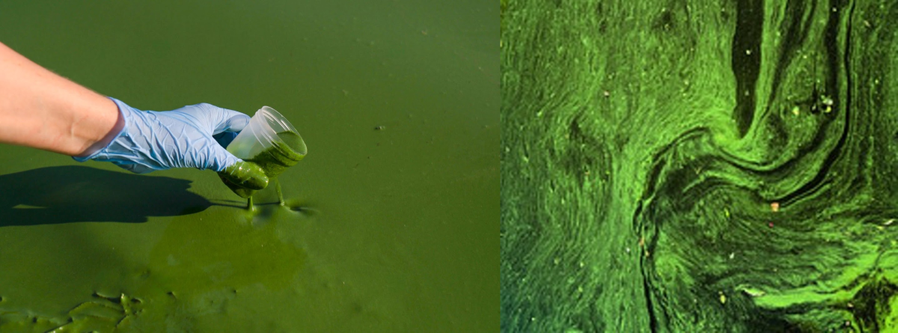
A bloom may be cyanobacteria if it:
- Consists of tiny particles about the size of a pinhead or smaller
- Forms a surface scum or collects along the shoreline
- Causes the water to appear unusually discolored, such as bright green, gray, white, or milky
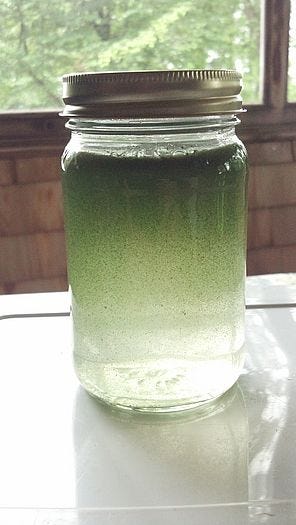
A simple “float test” can provide additional clues. Collect a sample of the suspected bloom in a clear container and allow it to sit undisturbed. Many cyanobacteria can regulate their buoyancy and will float to the surface when the water is calm, while most other algae, plant debris, and sediment sink. However, this test cannot determine whether a bloom is harmful or identify the type of cyanobacteria present. When in doubt, avoid contact with the water and follow any posted .
Private water sources can also pursue laboratory testing to confirm HAB or toxin presence. Laboratories that analyze for cyanobacteria and cyanotoxins can be found across the US.
Reporting a Suspected HAB
To report a suspected HAB in Pennsylvania, visit the Pennsylvania Department of Health website. For all other HAB questions, email the Pennsylvania HAB Task Force at HABS@pa.gov.
The Role of Nutrient Pollution
Excess nutrients—primarily nitrogen and phosphorus—are the driving force behind HABs. While these nutrients naturally occur in aquatic systems, human activities can increase them to levels that fuel bloom growth.
Common nutrient sources include:
- Runoff from fertilized lawns and agricultural lands
- Improperly managed manure, biosolids, or livestock access to waterways
- Inputs from pet waste collecting on the surrounding land
- Failing septic systems or wastewater discharges
- Phosphorus that has accumulated in lake sediments over time and can be released under low-oxygen conditions
Reducing nutrient pollution is one of the most effective ways to prevent harmful algal blooms before they start.
What You Can Do to Help Prevent HABs
Everyone can play a role in protecting water quality and reducing nutrient pollution:
- Apply fertilizers using the 4Rs: right source, right rate, right time, and right place
- Maintain septic systems regularly
- Pick up pet waste
- Limit livestock access to streams and ponds
- Install rain gardens or rain barrels to reduce runoff
- Plant native vegetation and buffer strips along shorelines
By taking small, proactive steps, individuals can help reduce the likelihood and severity of harmful algal blooms. Healthy waterways benefit our communities, local economies, and the fish and wildlife that depend on them. When in doubt, stay out.
To learn more about Harmful Algal Blooms in Pennsylvania, identification, and nutrient pollution prevention, visit these resources:



Be the first to comment