
Winter cereal termination strategies given herbicide shortages
Pre-plant termination of winter cereal cover crops
Glyphosate is the most effective burndown herbicide for winter cereals such as wheat, triticale and cereal rye. Under optimal conditions for application, a 0.75 – 1.0 lb ae/ac rate with appropriate adjuvants (surfactant + AMS) should provide good control. Optimal conditions for termination include several sunny and warm days (> 55°F) where night temperatures exceed 40°F. Avoiding common tank mix antagonism issues will be critical if attempting to reduce glyphosate rates when terminating cereal rye stands. Common antagonism issues include tank-mixing glyphosate with liquid N fertilizer (i.e., 28 or 32% UAN) or clay-based herbicide formulations (WG, DF, DG, F), which include atrazine and metribuzin.
Paraquat-based burndown programs can be used as an alternative for termination of winter cereals but may be less consistent across plant growth stages. Tank-mixing paraquat with a triazine herbicide (atrazine, metribuzin) will improve burndown activity for winter cereals and we strongly recommend their inclusion in this scenario. Using a high carrier volume (20 gpa) and flat fan nozzle tips will also be critical for achieving adequate coverage, particularly in thick cover crop stands.
Harvesting winter cereals for forage
Chopping winter cereals prior to anthesis is generally not an effective method of termination. For example, previous Penn State field trials have demonstrated that chopping cereal rye at the late-boot stage can result in up to 80% regrowth and chopping at the mid-heading stage can result in up to 50% regrowth. Spraying winter cereals with common burndown products (i.e., glyphosate, paraquat) prior to forage harvest is illegal. Consequently, termination of winter cereals that has been harvested for forage is best managed with post-harvest herbicide applications.
Glyphosate is a more effective burndown option than paraquat for post-harvest termination of winter cereals. It is likely not necessary to delay termination after harvest to allow for regrowth when using glyphosate as long as the harvest height results in enough green leaf tissue at the base of plants to absorb the systemic herbicide and weather conditions (> 55°F) are optimal for uptake and translocation. Cooler temperatures (< 50°F) will slow the activity of glyphosate and may impact termination efficacy of winter cereals following a mowing event. If using paraquat, termination efficacy is likely to increase when application timing is delayed after forage harvest to allow for adequate winter cereal regrowth.
Terminating cereal rye with a roller-crimper
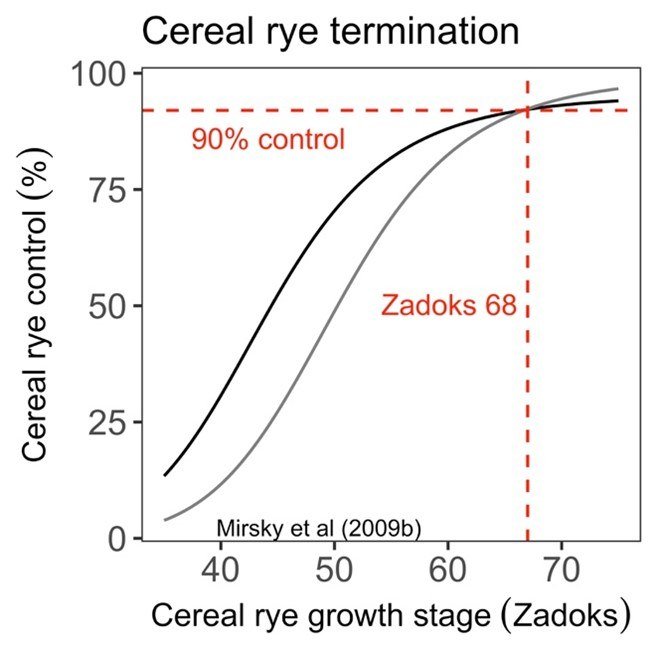
Figure 1: Cereal Rye Termination (Mersky 2009)
Additional resources
Stay tuned to Field Crop News in coming weeks for additional information on terminating annual ryegrass and other burndown scenarios. Herbicide recommendations for termination of legume and brassica species that may be included in mixture with winter cereals prior to corn ( Table 2.2-4 ) and soybean ( Table 2.4-4 ) can be found in the Penn State Agronomy Guide.


Be the first to comment