
There are more than 400 different strains of mycotoxins that could be present on a dairy farm so avoiding them is usually a losing exercise. It’s likely mycotoxins are present in the feed you’re feeding right now. Gone unchecked, mycotoxins at high enough levels can cause subclinical and clinical diseases in a variety of systems inside the cow. However, there are opportunities to control the impact of mycotoxins on animal health and performance. Creating a process to control mycotoxin impact is important.
Step 1: Understand what you’re working with
Before you can develop a plan to control mycotoxins you need to understand the strains present on the dairy. Currently there is no blood or urine test to detect mycotoxin presence or levels in animals, but there are signs that mycotoxins may be impacting the herd. Tests that show elevated liver and kidney enzymes or increased immune cells could indicate mycotoxin impact. Or, if you recognize that your vaccination program is not working well, one culprit could be mycotoxin pressure. Often it’s a diagnosis of exclusion and it’s difficult to blame one feed ingredient.
Some obvious signs of a potential mycotoxin impact on the herd are decreased appetite, obvious abdominal pain and hemorrhagic bowel syndrome. Other conditions, such as lameness, poor reproduction or increased somatic cell counts, can be indicators of a mycotoxin challenge. For instance, there are some mycotoxins that have a significant impact on reproduction and can reduce conception rates and embryo survival.
Also, although some mycotoxins are present at very low levels, their impact can be significant when they work synergistically with other mycotoxins. This can be a significant risk in immune-suppressed animals who may be more susceptible to mycotoxin pressures.
The best option is to test the feed and the TMR for mycotoxins to understand what strains are present. Corn is one of the most tested crops, but mycotoxins can be present in any feedstuff, including byproducts. The most common strains are Aflztoxin, Fumonsin, Vomitoxin (DON) and Zearalenone.
Step 2: Grow quality forages and store them properly
Once you understand what strains are present, and if those strains are at a high enough threshold based on the strain, then implementing a mitigation process is important. That mitigation process actually starts in the field. The best option to disrupt the mycotoxin lifecycle is through tillage. If you implement a no-till program, and you know there is a heavy mold load in a field or group of fields, work with the dairy’s agronomist to determine if a tillage option is available.
Often immature corn is more likely to carry mycotoxins, so start by making sure the right corn maturity is being planted. For example, if 120-day corn is planted but it will likely get harvested at a 90-day maturity, make the adjustment at planting to align maturity dates. Then harvest corn and all forages at the right dry matter and store appropriately to reduce molds.
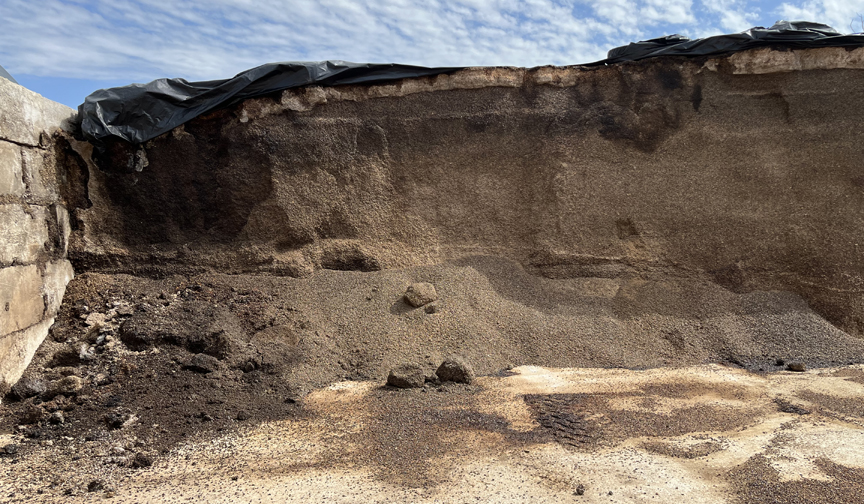
Adequate storage comes down to proper storage management. Chop forages at the right length and moisture levels to ensure adequate packing to reduce mold development. Manage storage facilities to limit rocks and other debris, in addition to standing water.
Once forages are harvested and stored properly, implement proper management protocols, including defacing techniques, to limit opportunities for spoilage and mold development. Implement feeding protocols that minimize cow stress, including feeding on a regular schedule and ensuring fresh feed is readily available at all times.
Step 3: Enhance the ration
There are feed ingredients that can help reduce the impact of mycotoxins. Certain mycotoxins can impact the cow’s immune system and stability of the microbiome, so a stable rumen pH and a healthy, diverse rumen microbe population is important to reduce mycotoxin challenges. There are feed ingredients available that have proven through research to strengthen immunity and create a healthy microbiome inside the cow. In addition, there are mycotoxin binders available as well that can prevent toxin absorption. There are many different types, so it’s important to understand what products are in the binder, what toxins it binds and what research supports the expected benefits.


Be the first to comment