The dairy industry is uniquely positioned to capitalize on one of the biggest shifts happening in food and beverage right now. As more consumers turn to GLP-1 weight-loss drugs, demand for high-protein, gut-friendly products is climbing.
This trend is likely to accelerate as use of the drugs continues to grow––GLP-1 users are expected to make up 35% of all food and beverage purchases by 2030––and more consumers look to swap out high-calorie, processed options for those with greater nutritional value.
Dairy checks a lot of the boxes GLP-1 users are looking for. Many products are nutrient dense, giving consumers a way to pack proteins and vitamins into smaller portions. Last year, Danone launched Oikos Fusion, one of the first yogurt products created specifically around GLP-1 users’ nutritional needs. The cultured dairy drink is meant to help retain muscle mass and support digestion during weight loss and represents one of a growing number of new dairy products aimed at this fast-growing segment.
While the GLP-1 boom presents a significant opportunity for the dairy industry, moving quickly to capture it can result in missing big risks along the way. Reformulating existing products, retooling production lines, and launching new offerings can expose manufacturers to costly claims, recalls, or litigation if they don’t identify and manage those risks early.
5 Risks to Know
Changes to suppliers, production lines, labeling, and safety protocols each introduce risks worth getting ahead of before they result in a claim.
-
Supply chain. As dairy processors reformulate products to boost protein content or add functional ingredients, they will likely need to change or add suppliers. This can increase competition for the same raw materials, such as whey protein or specialty cultures, and leave companies exposed to disruption if a key ingredient becomes scare. Diversifying suppliers and having a backup source lined up can help mitigate that exposure.
- Production line. Retooling a line to make a new or reformulated product, such as a high-protein yogurt drink or fortified milk beverage, raises the risk of malfunction or system failure. It’s critical that food safety protocols keep up with any production line changes and that employees are properly trained on new equipment before production begins.
- Recall. Recalls linked to food safety issues or mislabeling are already an endemic issue across the industry, and that risk grows significantly when companies produce an entirely new product. Testing, quality control checks, and clear labeling review before products launch can help identify issues before they hit shelves.
- Worker. New products, new lines, and new packaging often require employes to take on tasks they have not been assigned before. Proper training and updated safety planning can help reduce the risk of workplace injuries and the liability that accompanies them.
- Packaging. Class action lawsuits linked to misleading packaging language, such as “all natural,” have increased in recent years. In 2024, filings against food and beverage makers reached nearly 300, a near-record high. Labeling a dairy product “GLP-1 friendly” or emphasizing muscle-retention, protein, or gut-health claims can attract similar scrutiny, making accurate labeling essential.
Reducing Risk Through Awareness and Action
Reducing exposure starts with identifying risks and putting the right mitigation steps and insurance coverage in place. Product recall coverage is currently widely available and competitively priced, making it an ideal time to lock in strong terms. Business interruption insurance can also help offset losses tied to supply chain disruption.
Dairy processors don’t have to navigate the GLP-1 landscape alone. Looping in your broker before reformulating a product or launching something new or can help identify your business’s specific exposures and ensure you have the right coverage in place, so a new opportunity doesn’t turn into an unexpected setback.
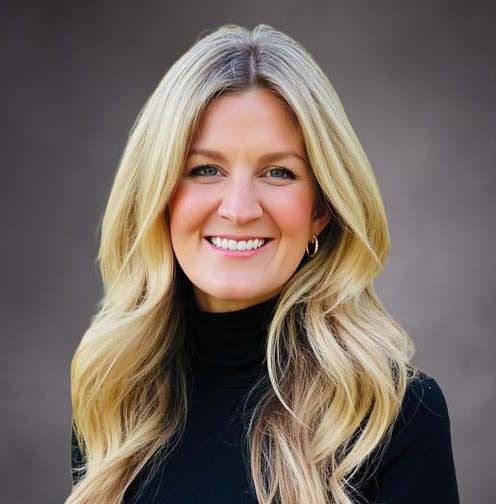
Editor’s Note: Mary Keiser, CPCU, is Senior Vice President and the U.S. Food and Beverage Practice Leader for global insurance brokerage Hub International. She has more than 18 years of experience building high-performing teams and developing creative approaches to complex risk exposures. Mary specializes in addressing the unique challenges facing food manufacturers, contract brewers, distributors, retailers, warehouses and restaurants – from product contamination and recall to environmental liability and worker’s compensation optimization.
Be the first to comment