
Effects of Heat Stress on Reproductive Hormones
High temperatures can cause a reduction in dry matter intake, reduce estrus expression, slow follicular growth, and cause early embryonic death . Many dairy producers use synchronization protocols in their reproductive management strategy to improve reproductive performance. For example, one synchronization protocol is the Ovsynch (Figure 2). GnRH is a peptide hormone secreted by the hypothalamus and is responsible for the release of Follicle Stimulating Hormone (FSH) and Leutinizing Hormone (LH) from the anterior pituitary gland. FSH is responsible for follicular development, while LH stimulates ovulation and aids in formation of the CL . PGF causes luteolysis of the Corpus Luteum (CL) which will stop the production of progesterone. 8 These injectable hormones also influence the endogenous hormones, progesterone and estrogen in females. How these hormones are impacted can answer questions pertaining to a failed conception rate or embryonic death.
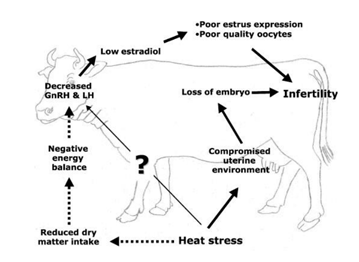
The reduction in LH secretion leads to reduced estrogen secretion, lack of estrus expression, reduced oocyte quality, implantation failure and infertility (Figure 3) . Due to heat stress impeding LH frequencies, ovulation will not occur. Reduced progesterone concentrations have also been identified as a factor relating to heat stress during the estrous cycle. With low progesterone concentration, conception and embryonic development can be impeded. In contrast, high progesterone levels cause a decrease in GnRH resulting in incomplete follicular development . Researchers have concluded that as temperature rises, so do FSH levels. With unbalanced FSH and LH levels, estrous cyclicity can be negatively impacted.
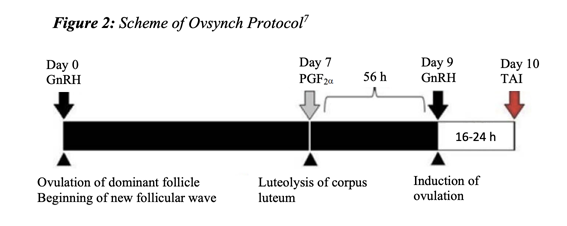
Figure 3: Effect of heat stress on reproduction in the lactating dairy cow
Effects of Lameness on Reproductive Hormones
Increases in THI can lead to more standing time, which increases the risk of lameness . Lame cows have high cortisol levels, which are indicative of stress, and altered hormonal profiles, which are indicative of disruptions in the Hypothalamus-Pituitary Axis (HPA) . Activation of the HPA by stressors reduces the pulsability of GnRH and LH actions, depriving the follicle of adequate LH support, which subsequently leads to reduced estradiol production .
Heat abatement
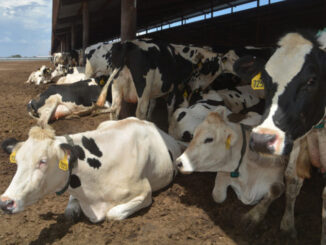
With the use of proper heat abatement strategies (i.e. fans, sprinklers and shade), cows will be able to fulfill their reproductive performance needed to continue as a milk provider. Natural ventilation in free-stall barns can help provide relief from the heat . These barns allow air to escape and wind and air movement to enter from the roof or sides of the barn. To adequately cool cows with water, droplets must thoroughly wet the hides of the animals . With an appropriate sprinkler system, a cow’s body temperature and respiration rate decreases, while time spent at the feed bunk increases . In hot weather, fans and sprinklers can be used in the holding pen to reduce the effects of heat stress on dairy cows . Increased water consumption in periods of heat stress may also be a method to reduce heat load . Proper heat abatement strategies can reduce the time cows spend standing, which decreases lameness incidence.
Conclusion
Research is needed to fully understand the consequences of heat stress on lameness and hormones related to the estrous cycle. This will allow producers to identify issues leading to low conception rates, embryonic development and fertility. By using adequate heat abatement strategies within the parlor, barn or pasture, heat stress can be reduced and allow for greater reproductive performance in dairy cows.


Be the first to comment