
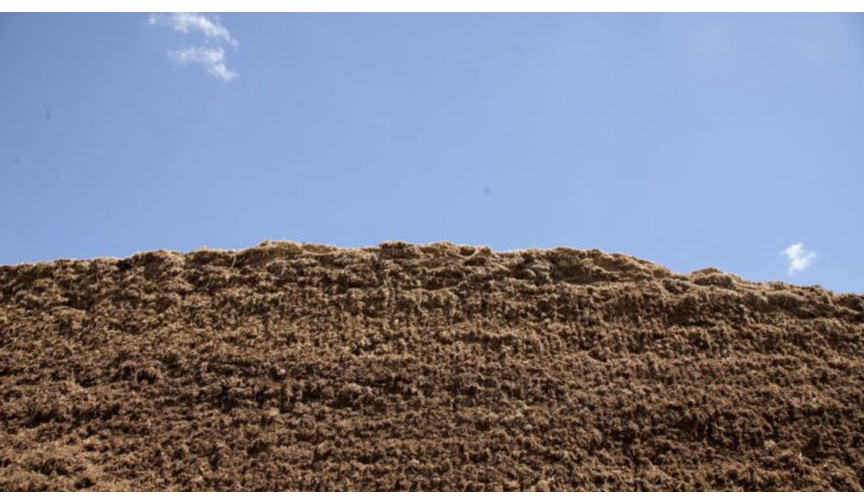
Inoculants and storage
Fermentation is the crux of silage preservation. The main goal of silage fermentation is a rapid reduction in pH, to create an undesirable environment for molds and yeasts, inhibiting their growth. This creates a more aerobically stable and better-preserved product.
Bacteria — more specifically, lactic-acid-producing bacteria (LAB) — can take credit for the rapid reduction in pH. LAB will consume plant sugars such as glucose and convert them primarily into lactic acid. LAB will continue to ferment and consume sugar until a pH of around 4 or lower is achieved. A prolonged pH reduction — or worse, a pH that never reaches 4 or below — will cause these LAB to consume more of the valuable nutrients we are trying to preserve.
Choosing an inoculant
Two main types of inoculants are used: homofermentative and heterofermentative.
Homofermentative inoculants should be used by those who want to maximize dry matter retention and nutrient value by maximizing lactic acid production.
Heterofermentative inoculants produce acetic acid in addition to lactic acid. This acetic acid can be beneficial for silage piles that need to be opened early or for piles that a farm plans to feed more slowly. Acetic acid is the metric we look at when we evaluate aerobic stability; some level of acetic acid is good, but a lot of it can indicate a slow and inefficient fermentation.
Egalis® is a range of high-quality silage inoculants from Alltech that optimize nutrient quality, reduce dry matter losses and support animal performance. This means you have more silage to feed, better silage to feed and fewer concerns about wasting feed.
Adding enzymes when needed
These forages still contain some sugar; however, the sugar may not be as readily available to the LAB. An example would be corn silage material that’s loaded with easily accessible starch. The enzymes are essentially providing more “food” for the LAB to grow, ensuring a more efficient fermentation.
Tips for better silage
Careful management is also important in getting the best-quality silage to your animals. This includes:
- Moisture at harvest. Excessive water can be a buffer to fermentation keeping overall pH higher for longer — but excessively dry forage can promote mold growth.
- Packing density. Oxygen is the enemy to fermentation. Ensure adequate packing of the forage, and limit the speed at which it is brought to the feed yard.
- Silage pile design. Be sure that you can deface an adequate amount of feed every day: a minimum of 4” in the winter and 6” in the summer across the whole face.
Regular testing is crucial as well. When testing, grab a fresh crop sample of the forage and test it for moisture, nutrients, and mold, yeast and mycotoxin growth. Upon opening, run all the same tests as a fresh chop sample, and reevaluate and reassess to plan improvements to next year’s crop.
Alltech’s mycotoxin management program includes in-depth laboratory testing through Alltech 37+® as well as on-farm rapid testing with Alltech® RAPIREAD™. This combination allows you to see the bigger mycotoxin picture on your farm while also responding in real time to changing conditions.
Stable, consistent forage for your herd
A stable forage not only minimizes mycotoxin risk but makes for a more consistent forage when feeding your herd. Having an adequate number of useful LAB based on forage type is critical in the success we have when we expose that feed to oxygen and start to feed it.
All farms face some silage challenges. Some are universal, such as our best-laid springtime plans being interrupted by setbacks from Mother Nature — or the custom harvesting company showing up two weeks late! Others are specific to our geographic location, as growing and harvesting seasons differ greatly and come with their own sets of challenges.
Choosing the right inoculant for your needs, with or without enzymes, can extend your coverage and help to ensure that the forage you ensile is preserved well for future use.

Be the first to comment