
Bloat
Legumes, especially alfalfa, still have the potential to cause bloating after a frost. The first 1-5 days are the most crucial, depending on the severity of the frost. Pure legume stands are the most problematic, and concern decreases in fields with higher grass percentages in the mix. It is best to wait until the forages have dried after frost damage before grazing. Be sure to provide an alternative safe, dry forage before turning animals out onto frost-damaged, majority legume fields. Another option is to mow the field, let it dry, and allow the animals to graze the dry hay on the ground.
Harvesting Frosted Alfalfa
If you plan to harvest alfalfa after a killing frost, leaving as much stubble as possible is important. Leaving 6″ of stubble would be ideal, but this can be difficult with modern equipment. Cut the alfalfa to a minimum of 3.5″, or the height at which you would typically harvest your grass forages. This will leave some stubble to catch snow that will help insulate the plant over winter. Another thing to think about is that, since the killing frost signals the drop of leaves, the harvest needs to be made soon after the frost. Chopping or wrapping works well because the material can be harvested at a higher moisture.
Nitrates
Anything that interferes with normal plant growth can cause nitrates to accumulate in plants that are still growing. That is because the plant’s ability to convert these nitrates into protein is impaired. Forages of concern include warm-season annuals such as millet, sorghums, and sudangrass. Nitrate levels will not decrease after a killing frost, and forage testing is recommended for forages suspected to contain high nitrate levels.
Prussic Acid
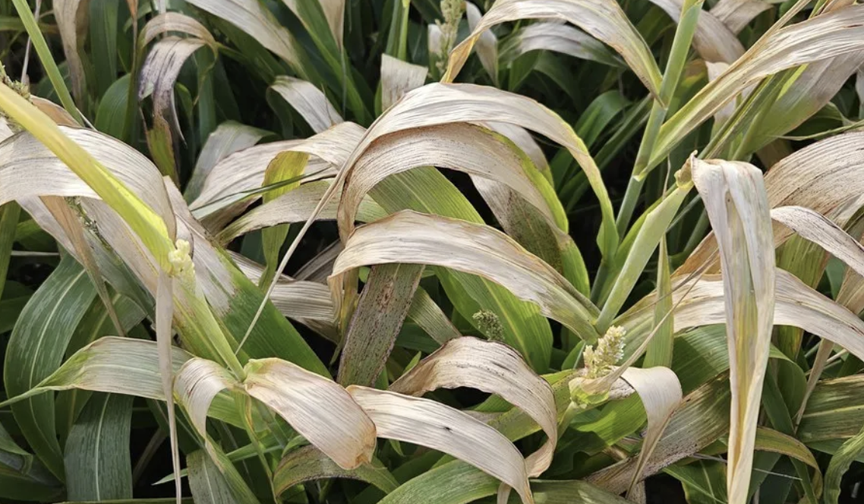
All species of sorghum contain prussic acid within the vegetative portion of the plant. Sorghum, johnsongrass, and shattercane contain the greatest levels of prussic acid and can still be hazardous as weeds in pure stands of sudangrass or sorghum-sudangrass fields or pastures. Sudangrass contains approximately 40 percent less prussic acid than other sorghums; however, a sorghum x sudangrass hybrid contains a greater level of the toxic compound than sudangrass alone. Improvements in the genetic development of forages now allow planting varieties of sorghums with lower prussic acid levels, helping reduce the risk of prussic acid poisoning in livestock.
Another option for incorporating a summer annual pasture or hay crop while reducing the risk of prussic acid poisoning is the use of pearl millet and foxtail millet, which do not contain toxic levels of prussic acid, even after a killing frost. Therefore, it can be grazed at any time. Corn is another warm-season annual that does not have this issue.
Generally, the greatest levels of prussic acid can be found in the leafier areas of the plant, in particular when the plant is at the boot stage. As plants mature, the prussic acid content declines because the stalk makes up a larger percentage of the plant.
If chopping for silage is desired, a producer should wait 5-7 days after a frost before harvesting. These forages with a risk of high cyanide levels at the time of chopping should be ensiled for a minimum of 8 weeks before feeding. Storage allows cyanide gas to escape over time during fermentation, but silage should be analyzed before feeding to ensure that toxic compounds have been reduced to a safe level for consumption.
Prussic acid concentrations also decline up to 75% during the hay drying process. Frosted forage can be mowed at any time after a frost and used for hay.
It is important to note that high rates of fertilization and drought can also cause high levels of prussic acid accumulation in these forages, even months before a killing frost; therefore, precautions should be taken under these conditions as well. Ensiling these forages helps to reduce the risk of toxic levels of prussic acid. Sorghum silage should not be fed any earlier than 3-4 weeks after harvest as a precaution.
If you believe that your livestock are experiencing any symptoms of prussic acid poisoning, which can include labored breathing, excess salivation, staggering, and convulsions, contact a veterinarian immediately. Symptoms appear rapidly, within minutes, depending on consumption rate, and treatment needs to be administered quickly. If you are concerned about feeding frosted forages, you can have them tested for cyanide concentration.
For more information or testing needs for prussic acid or nitrates, contact your local Extension office, or questionable forage can be tested for prussic acid (HCN) at the Pennsylvania Department of Agriculture Summerdale Laboratory in Harrisburg (717-787-8808).


Be the first to comment