

California’s dairy industry is already most of the way there to achieving this goal, and could easily exceed it if the state stays the course. However, this progress is at risk of stalling – or even worse, being undone. On November 8, the California Air Resource Board will consider changes to the Low Carbon Fuel Standard that will continue the state’s successful incentive-based dairy methane reduction efforts.
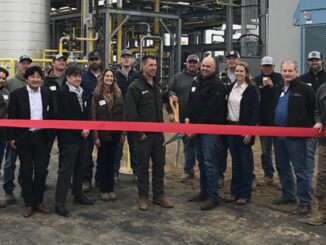
The dairy industry’s methane reduction achievements are due in large part to the unique partnership with the state. To date, more than $2 billion has been invested by the state, farmers, and investors in 140 digester projects and more than 170 alternative manure management projects. California’s dairy digester program is achieving more CO2e reductions than any of the state’s other climate investments. At a cost of just $9 per ton of CO2e reduced, dairy digesters are California’s most cost-effective investment in the fight against climate change, achieving 29% of total GHG reductions. It makes zero sense to change course and undo the progress already made.
California cannot and will not achieve its climate goals without its successful partnership with dairy producers. We’re not over the finish line yet, the state must stay this successful course by adopting the proposed LCFS changes.
Read more:
- In a CalMatters commentary, a Fresno County farm manager describes California dairy’s world-leading climate progress and why continuation of incentive programs, including the LCFS is critical to rural residents and the state.
- The California Cattle Council released a new economic analysis, which highlights successful collaboration and concludes that a switch to direct regulation would be harmful to the climate and local economy.
- Dr. Frank Mitloehner shares his perspective as a researcher and from participation in global discussions. He says California’s methane reduction efforts are setting an example for the world.
Be the first to comment