
Growth Goals: Setting the Stage for Productivity
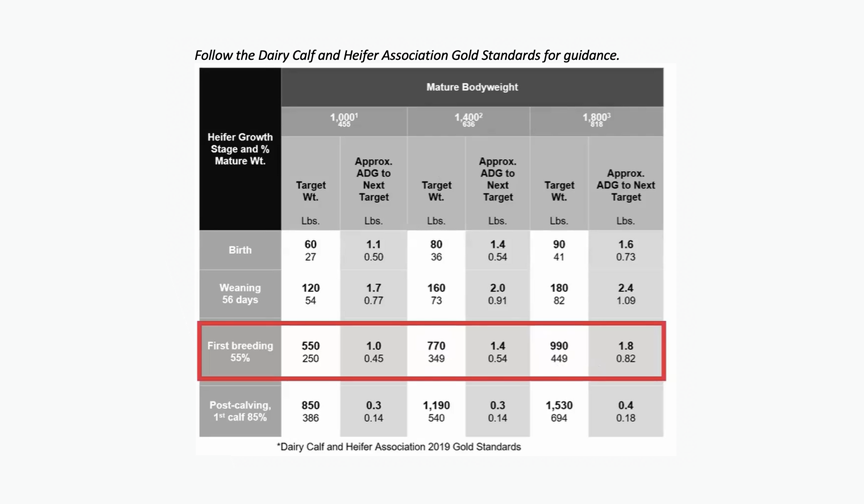
To achieve optimal growth, it’s crucial to establish clear goals at various stages of a calf’s development. Starting with the end in mind, consider the mature body weight (MBW) of your herd, as it forms the foundation for growth targets. Weaning at double the birth weight, pre-breeding at 55% of MBW, and close-up Springer at 95% of MBW or 85% of MBW post-calving are key milestones.
Understanding the energetic cost of growth is vital, considering factors like lactating diet, Mcal/pound growth, and milk production. Take individual weights on calves, even if it is a subset of calves, to tailor your program effectively, avoiding assumptions or population averages.
Calf Care Begins Before Birth
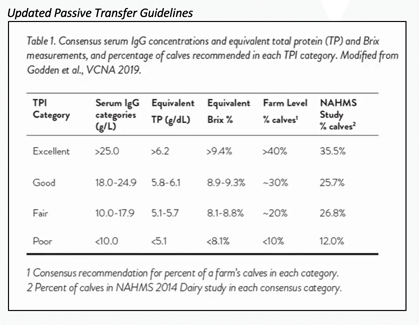
Calf care doesn’t start at birth, but should be a focus during the dry period. The emerging science of epigenetics emphasizes how early experiences, including those in utero, can have lifelong impacts on animals. Stressors during dry cow period, such as crowding, feed availability, and environmental factors, can shift the epigenome, impacting the lifetime productivity of both the cow and the unborn calf. Colostrum management is also critical. Calves are born without an active immune system. Because of this, they must receive immunoglobulins from colostrum in order to have any defense in the first two to three weeks of life. Maternal r colostrum immunoglobulins have a half-life of approximately 28.5 days, and colostrum replacer IgG’s has a half-life of 19.1 days to 23.9 days.
Colostrum, produced by the dam over a month before calving, is a cornerstone for calf immunity and development. Timing of colostrum feeding is critical, with the first two hours post-birth being the optimal timeframe for maximal l absorption. Factors affecting colostrum absorption include the timing of colostrum feeding, immunoglobulin concentration, total volume, and bacterial levels. Feeding multiple colostrum feedings can also greatly improve passive transfer. Proper colostrum harvest and handling, including quick cooling and cleanliness, contribute to improving the quality of the colostrum and therefore the calf’s health and development.
Consistency in milk feeding is also key to calf well-being. Ensure a consistent total solids intake, feeding milk at the right temperature. Collaborate with your veterinarian or nutritionist to provide adequate nutrition for calves, fostering an environment where they not only survive but thrive.
Weaning Transition and Housing
Navigating the weaning transition demands a strategic approach. The number one rule is to introduce one change at a time to minimize stress. Addressing factors like ration changes, grouping, vaccinations, and social dynamics requires careful consideration. Clean, dry housing with weather protection and slip-resistant surfaces is important for calf health. Smaller group sizes, typically 8-10 calves, mitigate competition, crowding, and pathogen sharing. Water is also very important for improving dry matter intakes and calf immunity. Make sure water is clean and readily available.
Investing in the Milk-Fed Advantage Investing in milk-fed calves pays dividends in the long run. Increased nutrient intake and improving average daily gain before 56 days of life results in higher milk yield. Studies show an average advantage of 1,500 pounds in the first lactation, with a cumulative advantage of 6,000 pounds after three lactations.
Concluding Thoughts: Preparing for Tomorrow
While we can’t change the past, we can shape tomorrow for our calf programs. By implementing these updates and strategies, we pave the way for healthier, more productive herds. Consistency, from growth goals to colostrum management and beyond, is the cornerstone for success in calf care.



Be the first to comment