

Back-to-School Spending in a Minute!
Read the latest issue of Dairy Market Drivers, a bi-weekly report from IDFA partner Ever.Ag. Dairy Market Drivers features spotlight data, key policy updates, and a one-minute video that covers timely topics for the dairy industry.
Dairy Market Drivers: Shoppers Face Soaring Grocery Prices; U.S. Beef Cattle Herd at Historic Lows; and Back-to-School Spending in a Minute!
Quick Bites: Shoppers Face Soaring Grocery Prices
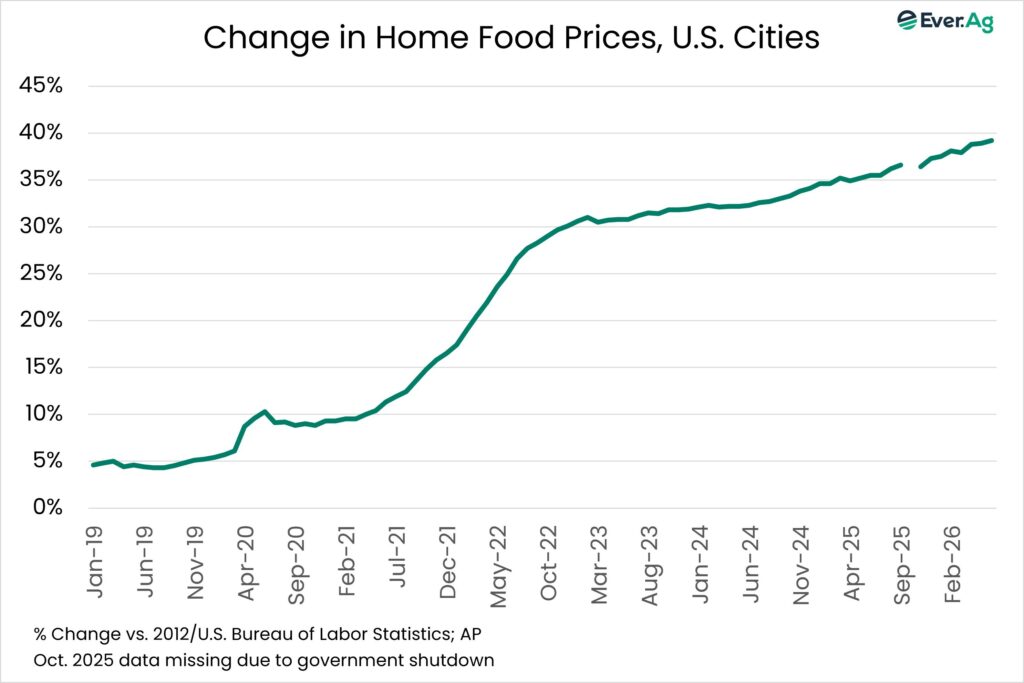
- Americans’ food dollars simply aren’t going as far as they used to. Looking at the past 15 years, grocery prices climbed 6.4% between 2011 and 2018, according to Bureau of Labor Statistics data. But that was then. From early 2019 to today, food-at-home prices soared 33%, adding financial stress to consumers.
-
A combination of factors caused grocery food prices to spike over the past seven years. The COVID-19 pandemic disrupted supply chains and increased labor and transportation costs. Natural disasters like droughts and hurricanes impacted certain crops, and diseases like avian influenza lowered production of eggs and milk. Imported goods got more expensive because of tariffs, and geopolitical tensions the past few years disrupted oil and fertilizer supplies.
- Beef is one of the food items giving shoppers major sticker shock. Ground beef skyrocketed to $6.82 per pound in June – up 79% from early 2019. Dairy products have remained more affordable, though, with prices rising about 25% during that same window. And more recent data shows four months in 2026 where dairy product prices were actually below year-ago levels.
- What are shoppers doing to cope with rising prices? Even though weekly earnings for full-time employees have grown at a slightly faster rate than grocery costs since 2019, people are making adjustments. An Associated Press article featured consumers who were couponing more, only buying items on sale, cutting out the nonessentials and buying less of their favorite foods. Some are buying less food overall, which is not good for food manufacturers and retailers. In fact, retail sales growth at grocery has underperformed versus Food at Home inflation for the past seven months.
- While some Americans are buying less food or turning to lesser-known brands in search of certain nutritional components, food prices are certainly playing a role for many shoppers. More and more lower income households are trading down and picking private label items to help stretch their food dollars.
Today’s Special
-
The U.S. beef cattle herd remains at a historically low level. In its biannual report, USDA estimated the total U.S. beef cattle herd at 94.2 million head, up slightly from last year but still more than 6 million head below where it stood five years ago.
- Beef and dairy producers have benefited from the historically high beef prices created in part by tight supply. Cull cows and day-old dairy-beef calves have become an increasingly important income source for dairy farms. But these high prices have hit grocery prices hard, and for the first time in more than two years, Circana data shows that monthly beef retail sales were lower year-over-year in May and June.
- Beef supplies have been even tighter since USDA closed the U.S.-Mexico border to Mexican cattle imports to stop the spread of New World screwworm. But after being closed for more than a year, USDA announced plans to slowly reopen the border this month.
- The first port will open on August 24 in Arizona. Then, two more ports will open to imports in New Mexico.
- Mexican cattle imports should help supplement feeder cattle supplies as domestic herd expansion remains limited. Beef cow numbers declined 1% from a year ago. While beef replacement heifers increased 3%, substantial herd growth is not on deck in the near future. Cattle prices have fallen the last few weeks following this border news, but prices are still strong. Until replacement heifer numbers increase more meaningfully, beef prices are likely to remain supported.


Be the first to comment