
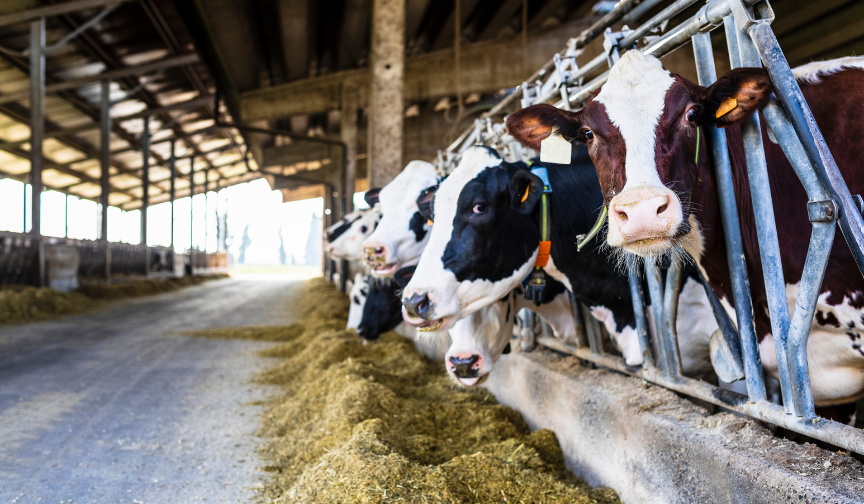
With all of these changes going on, cows better be ready to adapt. Because cows crave consistency, it’s a good idea to be proactive about managing feed changes rather than reacting after something happens. And with heat stress upon us, it will be more difficult to fix cows if an adverse event happens.
Here are a few tips to help cows get through the changes that lie ahead:
Sample, sample, sample
The most important aspect of managing cow performance is proper calculation and balancing of the diet. It’s very difficult to feed an accurately balanced ration if you’re not sure of the quality of the ingredients you are feeding. This is true regardless of the ingredient, whether it comes to the farm in a forage box or a semi-trailer. There are a few things to check for:
- This one is obvious, but you need to sample forages so you know what nutrients you’re feeding. Ideally you would have a forage analysis back on a group of forages before you start feeding it so the ration can be balanced accordingly.
As for sampling protocols, take a representative sample at harvest and another one once it’s fermented and before you feed it. The protein and fiber levels shouldn’t change through fermentation, but other nutrients may be different. If you store forages in bags, sample whenever you change fields and mark the bags accordingly. As you feed through the pile, it’s a good idea to sample monthly to stay up with any changes that may be ahead. Certainly take a sample if there are any changes to the herd or production drops to identify if forage quality could be the culprit.
Don’t stop with just an analysis of the forage. Take a sample of each load of commodities that come on the farm as well to make sure the ration matches the ingredients in storage.
- Be sure to have feedstuffs tested for pathogens, especially E. coli, Salmonella and Clostridium. The odds are that if you’re feeding a wetter forage, commodity or byproduct, you’re going to find a pathogen that needs to be addressed. Those feedstuffs that are higher in sugar are the perfect substrate for growing pathogens.
Pathogens like Salmonella, E. coli and clostridia can have a significant impact on cow health. While these pathogens are generally present in any environment, it’s important to reduce pathogen loads whenever possible. For example, pay attention to commodities delivered to your feeding center. While you may get a load of whole cottonseed that looks good, you don’t know what that truck and trailer was used to haul prior to the load that ended up on your dairy. Those situations create significant opportunities for pathogen contamination. Using a bacillus-based feed ingredient can help reduce incidence of pathogens, including clostridia, in your nutrition system.
- Because mycotoxins are so prevalent in the environment—a global survey showed 85% of feed samples contained at least one mycotoxin strain—it’s not a question of “if” mycotoxins are present, it’s “which ones.” Once you have identified which mycotoxins are present in your feeds, you can create a plan to reduce their impact. Adding certain feed ingredients, such as Refined Functional Carbohydrates™, to the ration has proven effective in helping animals combat mycotoxins.
Maximize Rumen Function
One of the best defenses against ration changes is a rumen that is performing at peak efficiency. Once again, consistency is key and including these ingredients in your ration will help build consistency:
- Most rations include rumen buffers, but not enough feed them at the proper level. Today’s high producing cows need a pound of buffers each day to help maintain a proper rumen pH and account for any variability in sorting.
- Refined Functional Carbohydrates (RFCs™). There is a lot of activity inside the cow, the rumen and the gut. RFCs can help animals cope with environmental challenges that could be impacting the cow. This includes controlling the impact of mycotoxins on gut health.
Creating consistency for your lactating herd is important, even in the face of ration changes that could be happening over the next several months. Whether it’s maintaining quality, avoiding pathogens or mitigating the effect of mycotoxins, making an investment in feed analysis and the right products to maintain a stable rumen environment will go a long way toward keeping cows comfortably consistent.

Be the first to comment