

New versus existing anaerobic digester
A centralized AD system requires specific attributes; the primary requirement being adequate digester volume for the planned farm participants. An existing digester will have been designed for a specific volume giving it a designed hydraulic retention time (HRT). Adding additional manure will increase the volume and lower the HRT. The existing AD system will need to be evaluated to be sure the desired digestion (biogas production) will occur, keeping in mind that 100 lactating cows (1,500 lbs. weight) produce at least 1,800 gallons of manure per day. The operation should have sufficient influent storage to take in deliveries of manure from the participating farms and store multiple days of manure deliveries in case the digester is offline for a period. The incoming manure will also need to be heated either within the digester or preheated in a balance tank. The digester heating system will need to be evaluated if utilizing an existing digester. If converting biogas to RNG, a combined heat and power (CHP) system may not be compatible, and a boiler system will need to be installed to provide heating.
Other important system requirements include suitable piping and biogas cleanup equipment to handle the volume of manure delivered and biogas produced. In addition, existing biogas upgrading equipment or sufficient space to construct a biogas upgrading skid, and a central location with easy accessibility for the participating parties is needed. If a new AD system is needed, it will commonly be financed and owned by the RNG developer that is selling the biogas. While this greatly minimizes the capital investment requirement for each farm, it also gives the RNG developer complete control and ownership of the AD system and carbon market benefits.
System siting
If a new AD system is needed, select a location central to the participating farms with enough space to construct the digester(s), associated biogas cleaning and upgrading skids, and manure and effluent storages. Confirming there can be an adequate electrical hookup at the site is critical. Siting the AD system away from large towns or cities is encouraged to maintain neighbor relations and positive public perception. The RNG developer should review local and state regulations to determine and meet permitting requirements.
The proximity of the nearest natural gas pipeline is also crucial when determining a site for a central AD-to-RNG system. Siting the AD system close to an existing natural gas pipeline is strongly preferred to reduce transportation of the RNG to the natural gas pipeline, which will increase costs and require additional permitting, especially if the piping needs to pass under roads or other public areas.
Farm and manure management
Each participating dairy farm’s management practices will impact the AD performance and biogas production and should be considered when determining their suitability for the central AD project. RNG developers typically pay each dairy farm for the manure that they contribute to the digester on a volume and quality basis. Manure higher in volatile solids and with less inorganics such as sand is preferred and is likely to receive a higher payment from the RNG developer. Participating farms should avoid using non-digestible bedding, or have adequate manure treatment (e.g., sand recovery), and keep their manure free of contaminants and foreign objects to maximize the value of their manure. In addition, the RNG developer will work with dairy farms using sand bedding but require advanced recovery systems as sand expedites wear and tear on the AD system and accumulates in the digester vessel, reducing the working capacity and resulting in the need for a costly cleanout. Farms utilizing pasture reduces the amount of manure available during the summer and will reduce the biogas production of the centralized system.
Biosecurity is an important consideration as potential pathogens, viruses, and parasites from the different participating dairy farms will be comingled in the manures. While the AD system can kill a large portion of these disease-causing agents, many can survive AD and remain infectious in the digestate. Some RNG developers require that any manure being combined in a centralized system be pasteurized before entering the AD to kill disease causing agents and minimize the chance of any pathogens being carried back to the farms. Pasteurization of the digested effluent (digestate) may also be considered as an alternate option. The centralized system may include a solid liquid separation option to be able to provide manure solids for bedding or export.
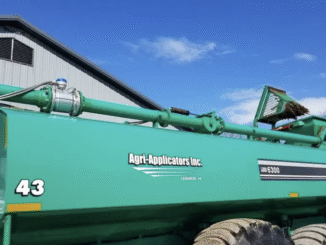
Trucking manure to the AD system and the digestate back to participating farms will have to be coordinated between the farms. Each farm may be responsible for organizing their own manure and digestate transportation, or one or more farms may have enough trucking capacity to truck manure for all the farms involved. Some developers will include trucking as part of their responsibility.
Effluent handling
Effluent handling is a key consideration due to the large volume and the importance of recycling the nutrients back to crop fields. A storage pit is necessary to store the digested effluent until the trucks delivering manure are emptied and able to truck the effluent back to the farms. Truck scales, metered trucks, or an alternate method should be used to ensure each farm is receiving the proper volume of effluent. Routine testing will need to be done to determine the nutrient content of the effluent and may be provided or paid for by the RNG developer. Each farm will be responsible for storing the effluent once it is returned to the farm, likely in an existing long-term storage, and applying the effluent as needed to meet the needs of their respective comprehensive nutrient management plans.
Operations and management
A centralized manure AD-to-RNG system of this scale will likely require employees dedicated to the operations and management of the system. These employees would be responsible for preventive maintenance on the system, record keeping, and ensuring the AD-to-RNG system is always running at peak performance. Farms should also consider any additional labor that may be needed while participating in the central AD system, such as additional labor to haul manure and digested effluent.
Be the first to comment