

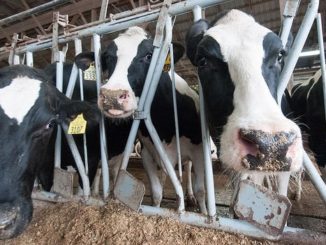
As temperatures drop here in the upper midwest, many dairy farmers face an unwelcome challenge — flocks of starlings, sparrows, and pigeons settling into their barns. While a few birds might seem harmless, these feathered friends, now freeloaders, can create serious problems for both cows and farmers.
This isn’t just a matter of stolen grain — it’s also an important dairy cattle nutrition issue. Birds pick out the highest quality bits of a cow’s ration, often the grain and protein components, leaving a poorly balanced mix behind, subsequently impacting milk production. A 1,200-bird flock can consume up to a ton of feed per month on a 200-cow dairy, costing producers thousands in lost nutrition and reduced milk output. Studies have estimated annual losses exceeding $8,000 per farm.
Beyond the feed losses, bird droppings are another major concern. They create unsightly, foul-smelling messes on equipment, walkways, and even the cows themselves. Droppings can also harbor pathogens such as E. coli, Salmonella, Cryptococcidia, and Histoplasmosis. While a direct link between bird droppings and specific cattle diseases isn’t fully established, these microbes pose potential health risks for both livestock and farm workers.
Unfortunately, controlling birds in barns is far more nuanced than it appears. Tactics used in the berry industry face similar practices to the following presented practices. Commonly used strategies such as loud noises, plastic owls, and other scare-tactics often lose effectiveness as birds quickly learn and adapt. The most reliable solution is exclusion, simply keeping them out year-round. Installing netting across open areas and ledges can deter roosting without harming the birds. Modifying roosting surfaces to steeper angles or adding porcupine wire can make perching uncomfortable. Thinning nearby trees also removes natural shelter.
Farmers should begin prevention early, before winter flocks settle in. Persistence is key — regularly rotate types and locations of visual and audio deterrents and maintain clean feeding bunks. If this seems like a time-consuming task, it is. But the impact of ignoring the “bird issue” does have an impact on producer’s bottom line. Not a glitzy product, just tested, consistent, practices for long-term change.
By acting now before the avian horde arrives, dairy producers can keep birds from turning cozy barns into expensive, messy winter habitats.

Be the first to comment