
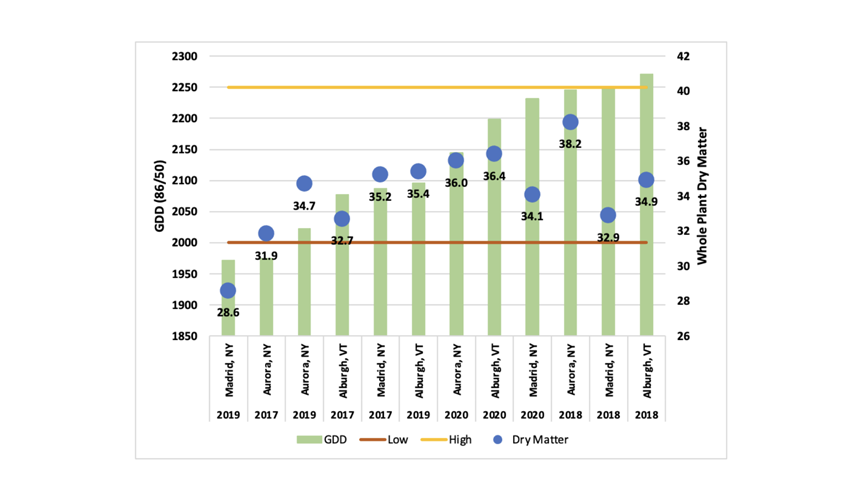
You can utilize the Cornell Climate Smart Farming Growing Degree Day (GDD) tracker to understand how this years heat unit accumulation compares to past years for your specific location. Find your location on the map and select your planting (or silking date, see below) to track crop progress and begin making projections for harvest.
Rainfall and forage quality potential
Overall, lower rainfall generally results in improved corn silage fiber digestibility. Higher fiber digestibility is a good thing. Droughty conditions can also limit yield, potentially resulting in the scenario where cows will be able to consume more corn silage, but there is less total inventory. Consider current inventories and carry over, acres harvested for silage versus grain, and options to purchase corn silage if these conditions fit your location.
Excess rainfall will reduce fiber digestibility, sometimes resulting in reduced dry matter intake by cows, which can affect the inclusion rate of corn silage in the diet. Work with your nutritionist to plan for the implications of this and what options you have for other feed ingredients to compensate for this.
Regardless of early season conditions, adequate rainfall around pollination and during ear fill can help the crop overcome early season challenges. Unfortunately, excess rain around pollination is associated with reduction in fiber digestibility and while we cannot manage this, understanding the impacts will help you understand what to expect from the this years crop.
Lastly, consider how weather stress may lead to variation in crop maturity and optimum harvest timing.
Pay close attention to whole plant dry matter (DM) and kernel maturity for harvest timing decisions
- Record silking/tasseling dates for corn fields
- Sampling for moisture content in corn silage fields
- Corn plant dry down: impacts of ear and stover
- Corn silage harvest timing: Not all growing degree days are created equal
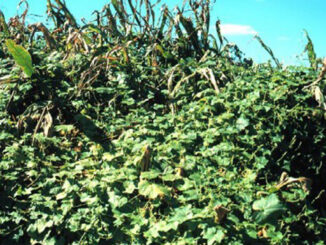
Immature corn silage Regardless of the weather, occurrences of late planting happen for various reasons each season. Late planted corn can present unique challenges in reaching the proper stage of maturity for harvest. Harvesting immature or frosted corn silage requires special management to mitigate the potential negatives. Corn silage 2019: Two different crops and Wet corn silage can be an environmental challenge offers some ideas for managing this situation.
Safety
Corn silage harvest is always a stressful time around the farm, review Safety with your team before harvest season begins.
Storage planning
It is never too late to think about your silage storage resources. Plan ahead to ensure that storage space is adequate for the tonnage that needs to be stored. Improper storage setup and overfilling storages lead to significantly greater shrink losses. It is also important think about separating forages by quality to optimize their use by different animal groups. Review the article Strategic forage storage planning.
Harvest planning
There are a number of competing interests this year in terms of balancing forage inventory needs and potential weather-related yield challenges with high commodity prices and opportunities to offset purchased feed cost with forage quality.
- Work with nutritionist and other key team members to determine goals for corn silage.
- Determine forage quantity needs and how many acres are needed to meet this goal.
- Forage acreage needs calculator
- Forage quality and commodity prices
- Managing forage digestibility to combat high commodity prices
- Back of the envelope economics (Starch contribution from corn silage) (Miner Institute)
Set-up harvester for optimum performance
The corn harvester plays an integral role in optimizing your corn silage. Careful attention needs to be paid to corn silage processing score and length of cut throughout the harvest season. See our Kernel processing information series for information from a recent studied completed in NYS with funding from NYFVI.
Make sure the chopper is properly set up before the season starts
Factsheet: Corn silage kernel processing
Chopper performance chances as field/crop conditions change. Monitor continuously
Factsheet: Effect of corn plant characteristics on corn silage processing scores
Set Kernel Processing goals based on green samples. Consider potential improvements during fermentation a bonus
Factsheet: Impacts of fermentation
Preserve every pound of DM you harvest
When there are concerns about adequate feed inventories there is no room for excessive shrink (spoilage losses). Monitor fields and harvest at the correct whole plant DM and make every effort to ensile the crop properly, particularly when using bunks and piles as shrink losses can be the highest in these storage systems.
- PACK! PACK! PACK! – work to achieve a high density by properly packing the silage
- Reduces shrink losses
- Improves feed quality
- Increases storage capacity
- Consider the use of scientifically backed bacterial inoculants
Be the first to comment