
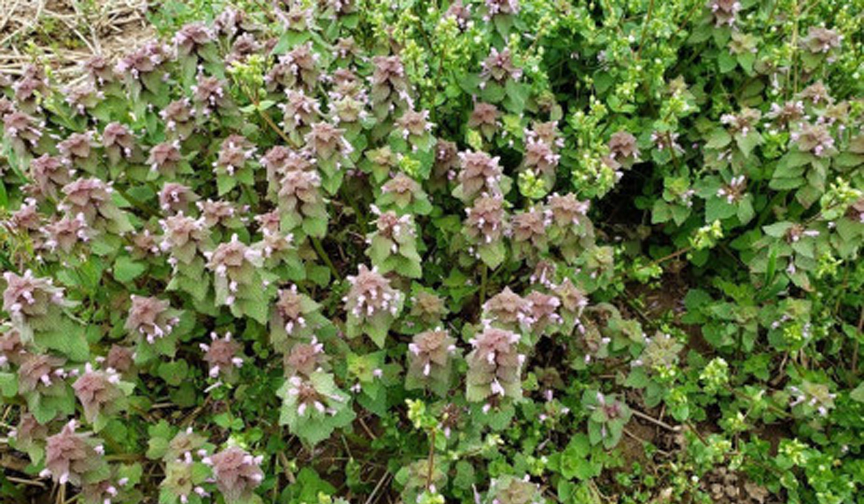
A review of recent articles that focus on improving burndown performance when controlling cover crops and winter annual weeds, as well as considerations for soil-applied residual programs.
Annual ryegrass control (March 16, 2022). We strongly recommend use of glyphosate at full rates for controlling annual ryegrass (Lolium multiflorum) stands this spring. Glyphosate has significantly better activity on annual ryegrass than paraquat (Gramoxone) and should be used as the base product. This article reviews tank-mix considerations and weather factors that drive performance of annual ryegrass control.
Termination of winter cereal cover crops (February 16, 2022). Prioritizing use of glyphosate stocks may be necessary in the 2022 growing season given potential supply shortages. In most cases, glyphosate-based burndown programs are the best option for termination of winter cereal cover crops. In this article, we discuss several winter cereal termination scenarios and the potential for using non- or reduced- glyphosate burndown programs.
Flexible burndown herbicide programs (March 30, 2022). Certain herbicides provide flexibility if you need to switch between corn or soybean crops. This article reviews pre-plant or preemergent herbicides that can be applied for either burndown or residual activity in either corn or soybean.
Annual grass control in 2022 (January 19, 2022). To provide greater management flexibility with POST programs this season, consider using soil-applied products that optimize grass activity. This article reviews use of seedling shoot inhibiting herbicides (Group 15; dimethenamid, acetochlor, S-metolachlor, pyroxasulfone) and pendimethalin, a seedling root inhibitor (Group 3), which provide the foundation for residual control of annual grasses.


Be the first to comment