

The gold standard for dairy cattle bedding is something that keeps the cows comfortable
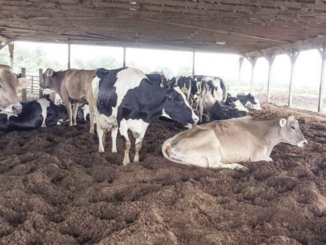
A few weeks ago, I was able to attend a dairy field day event in Sauk Centre, Minnesota. I had the chance to see how operations and living conditions for cattle were managed at this dairy. One aspect which surprised me was the type
The gold standard for dairy cattle bedding is something that keeps the cows comfortable. Since they are such large animals, this type of comfort and support must be uniform. Bedding plays a key role in cow’s temperature regulation by keeping them cool in the summer and warm in the winter. It is also crucial to take into consideration if pathogens can easily be spread through the type of bedding that is chosen. Bedding choices also depend on the type of barn design that each farm has. It is also important to note that choices by the farmer are influenced by cost and availability of products in the area.
One of the most common types of bedding is sawdust and wood shavings. These bedding materials are generally absorbent and have the ability to break down over time in the manure. This quick decomposition of the bedding reduces wear and tear on the manure handling systems. Unfortunately, this absorbent material with high surface area also can act as a suitable environment for rapid bacterial growth.
Straw is another common type of material used. It is considered better to use than sawdust and wood shavings because of its ability to compost efficiently. Straw is usually more attractive for farmers when it can be produced on the farm, thus lowering the cost.
Each of these 3 types of bedding is an ideal choice of bedding for cows and farmers. They provide the cow with comfortability through temperature regulation, discouraging bacterial growth, and have the ability to compost efficiently.
Sources in this article are linked here: https://z.umn.edu/cowbeddinghansen
If you have questions about this or any livestock related topic, please reach out to your local Extension Educator. Residents in Stearns, Benton and Morrison Counties can email adam1744@umn.edu or call 320-255-6169 ext. 3.


Be the first to comment