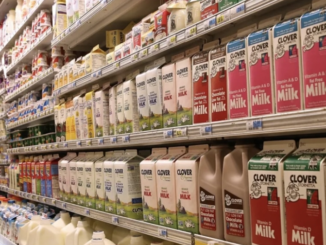
As the use of laboratory-based cell culture technologies to replicate naturally made foods continues to develop, the U.S. Food and Drug Administration (FDA) must first enforce its own existing regulations on the labeling of imitation products, according to the National Milk Producers Federation.
At an FDA hearing today focused on the regulation of cell-cultured products replicating meat, NMPF said that these rapidly evolving technologies impact dairy foods, as well. Just as scientists have discovered how to make “meat” imitations look and feel like the real thing, so, too, have they used genetically modified yeast to produce proteins that share a chemical identity with those found in milk.
“For decades, manufacturers have been making fake milk and other imitation dairy beverages, and inappropriately using the names of products on their labels that have clear FDA standards of identity,” said Briczinski. “What began as a clever marketing tactic has led to the rampant abuse of legally defined dairy terms, while FDA has looked the other way. Most importantly, it has misled consumers over the nutritional composition of these products in comparison to traditional milk and its contributions to a healthy diet.”
Without a consistent regulatory framework that addresses the marketing of imitation meat and dairy products, in addition to FDA’s selective enforcement, NMPF believes labeling abuses by product manufacturers, further consumer confusion, and a lack of U.S. compliance with international standards will continue to spread.
Briczinski once again reiterated the industry’s request that FDA enforce the labeling laws already on the books regarding fake “milks,” stressing that “it’s beyond time to resolve this problem.” NMPF also plans to file written comments.