

Canola and rapeseed combined are the second most widely traded vegetable protein meals in the world. Although canola was developed from rapeseed meal through traditional plant breeding techniques, the two products are quite different with respect to how they fit into dairy rations.
The authors included results from 97 research publications in the review, with two major goals in mind: to provide accurate and reliable nutrient values for canola meal, and to provide a source on how cows respond to the meal by tabulating feeding trial results.
The full 12-page article is available free of charge on the website canolamazing.com. Some of the highlights of the article include:
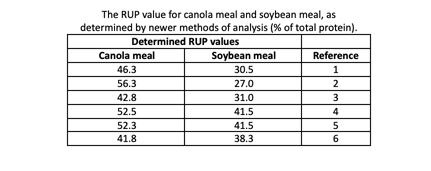
· Up to date nutrient values that can be used with NASEM or CNCPS feed technology. This includes values for rumen undegraded protein (RUP) based on the latest methods of analyses. Values are provided for amino acids, carbohydrates, fatty acids and micronutrients.
· Information on inclusion level and palatability. Results demonstrated that there is no limit on inclusion levels with varying types of diets and can be used to complement different forages. The meal is highly palatable, and often improves dry matter intake when compared to other vegetable proteins, including soybean meal.
· Head-to head comparisons with soybean meal. While there is a range in results, the average increase in milk yield from 22 mid-lactation feeding
trials was 2.4 pounds. The average increase in milk yield reported from 6 early lactation comparisons was 6.6 pounds, based on the first 16 weeks in lactation. Comparisons with other vegetable proteins are also provided in the review.
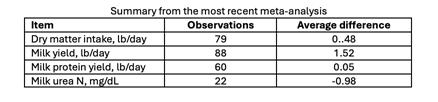
· Summaries from five recent meta-analyses. Meta-analyses that have evaluated various aspects of canola feeding are shared in the publication.
· Effects on greenhouse gas emissions. Replacement of soybean meal with canola meal at equal dietary protein levels has shown that methane production per pound of milk produce is lowered. Urinary losses of nitrogen are also reduced and with it less release of ammonia and nitrous oxide into the atmosphere.



Be the first to comment