
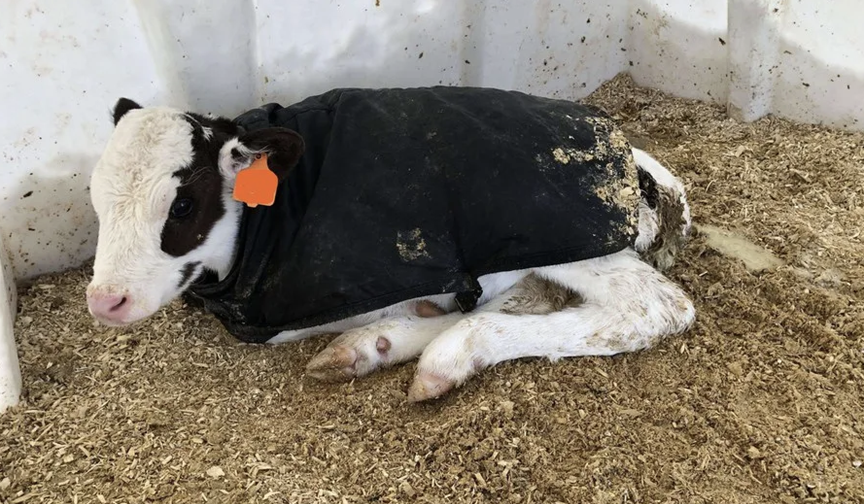
Many factors affect the health and performance of calves on milk. A common problem, calf scours, or diarrhea, can severely affect the immediate and long-term health of those future replacements.
Good maternity pen management, colostrum, and navel care are three critical aspects of calf management that can have lasting effects on the health and performance of calves. Colostrum management is arguably the most important thing we can do for the health of our calves. Successful passive transfer of immunity gives a calf her initial defense against harmful bacteria in those first days and weeks of life. Four quarts of high-quality colostrum should be fed to the newborn calf within 2 hours of birth; the sooner, the better. This timely feeding of colostrum will determine the newborn calf’s level of immunity for the first 2 weeks of life until it can start producing a natural level of immunity. This is how we achieve a successful passive transfer of immunity. Calves that do not receive this good nutritional start will see an increased level of sickness and higher morbidity and mortality.
Carter et al. (2020) list the most significant threats for young calves that can decrease immune function, allow pathogens to thrive, and ultimately cause neonatal calf diarrhea as failed transfer of passive immunity, poor nutrition, unhygienic conditions, hostile environmental conditions, and poor management. Muktar et al. (2015) add overcrowding in the calving facility, high relative humidity, low temperature of the incoming air, contamination of the incoming air, inadequate ventilation, close proximity to adult cows, mixing of different age groups, and poor stockmanship as the main risk factors which increase the exposure to infection.
A review by Carter et al. (2021) states that digestive diseases (i.e., diarrhea) are the leading cause of disease and death in the pre-weaning period. Specifically, digestive diseases account for 56% and 32% of morbidity and mortality, respectively, with the highest incidence in the second week of life. An earlier review estimated that 75% of early calf mortality in dairy herds was caused by acute diarrhea in the pre-weaning period (Muktar et al., 2015). Regardless of the figures, calf scours are a leading cause of disruption to the calf program on dairy operations. In addition to immediate health implications, research shows that the later developmental stages are also affected. Diarrhea in the pre-weaning period negatively impacts average daily gain (ADG), causes heifers to be 2.9 times more likely to achieve first calving after 30 months of life, and can result in almost a 10% reduction in milk yield during the first lactation, thus generating severe economic losses. (Carter et al., 2021).
The most common diarrheic pathogens include rotavirus and coronavirus, Cryptosporidium parvum (C. parvum), Enterotoxigenic Escherichia coli (E. coli), Clostridium perfringens and Salmonella spp., most of which, are highly contagious (Carter et al, 2021). Surveys indicate that rotavirus is the most common cause of calf diarrhea in cattle herds. Next is cryptosporidium, followed by coronavirus, with Salmonella Dublin being common in calf-rearing units with calves sourced from multiple farms (Muktar et al., 2015). Calves suffering from scours can be infected by multiple organisms, further compromising the immune system and increasing the severity of the scours. Often, once a calf falls ill with one issue, the weakened immune system allows subsequent infections to occur. While most scours will cause the same symptoms, there are some characteristics and a common timeframe when calves are most susceptible to specific organisms.
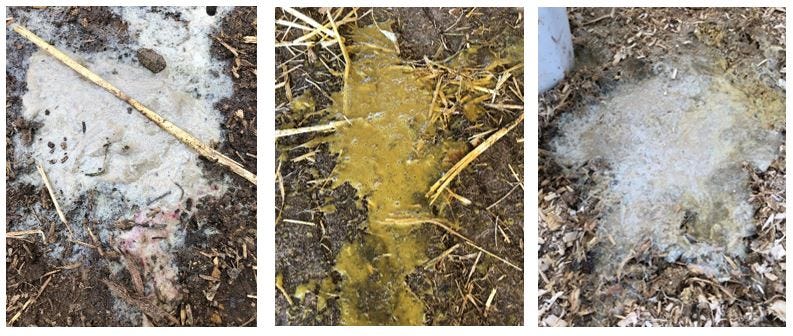
According to Kasa et al. (2020), E. Coli is a significant cause of diarrhea in calves under 3 days old, with severe outbreaks affecting calves as young as 16 to 24 hours of age. The organism spreads within a herd through the feces of infected animals. It can also spread through all inanimate objects that can be contaminated by feces, including bedding, pails, boots, tools, clothing, feed, and water supplies. Severe infection results in dullness, listlessness, and collapse in calves less than one week old and is often fatal despite therapy (Muktar et al., 2015).
Clostridium perfringens are bacteria commonly found in many environments, including soil, water, poorly preserved feeds, contaminated or improperly thawed colostrum or milk, calf housing environments, and the normal bovine intestinal tract (Kasa et al., 2020). Infection occurs when calves ingest this readily available bacteria. According to Muktar et al. (2015), clostridial diseases progress rapidly, and sudden death is often the first and only sign of the disease after appearing suddenly depressed, weak, with a distended abdomen, or showing abdominal pain. If diarrhea develops, it may have blood and tissue streaks, but calves often die before developing diarrhea. Calves under 2 weeks of age are most affected, but cases have been seen up to 2 months (Kasa et al., 2020).
Salmonella infection is mainly found between 10 days and 3 months of age and is characterized by watery and mucoid diarrhea with fibrin and blood (Muktar et al., 2015). Kasa et al. (2020) reported that salmonellosis is most severe in calves under one month old. The source of Salmonella infection in a herd can be from the dam, birds, cats, rodents, water supply, or human carriers. Saliva, nasal secretions, colostrum, and milk can also be the source of organisms shed from sick animals and oral transmission from these sources is another way to spread disease on a dairy.
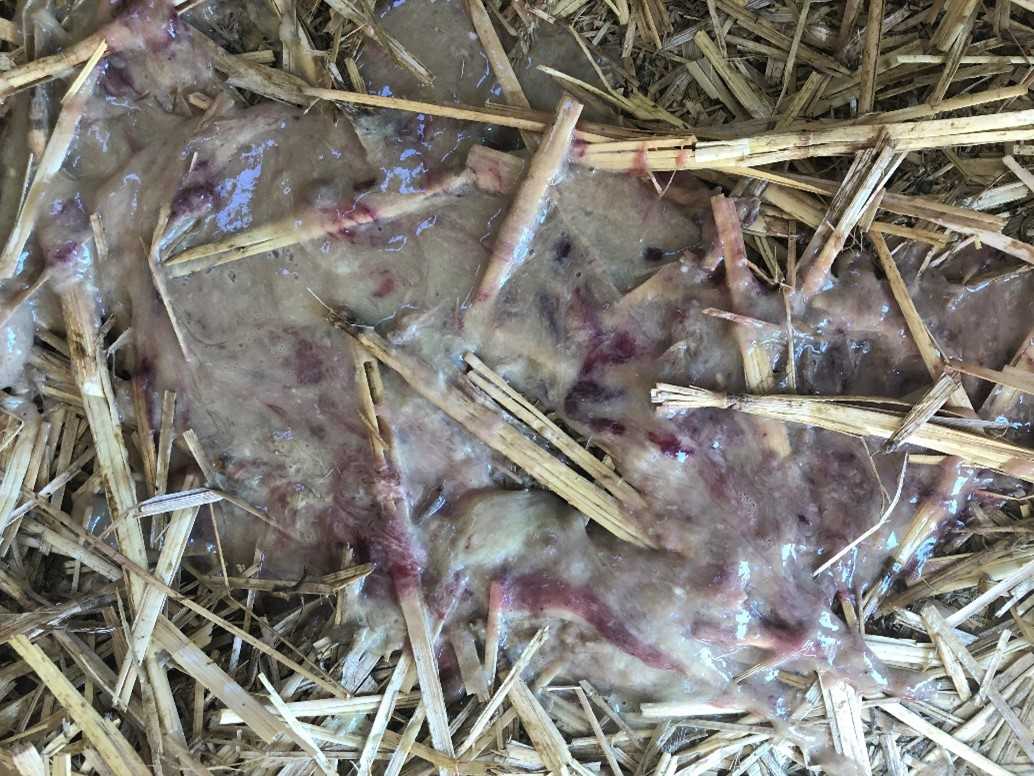
With scours often occurring in young calves, early detection is critical to winning the battle against dehydration. However, due to the lasting effects of this condition, prevention should always be a key area for managing calves. In general, outbreaks of calf diarrhea can be prevented by eliminating the pathogens, increasing calf resistance, or altering the production system to reduce opportunities for pathogen exposure and transmission (Kasa et al., 2020). Dairy producers can achieve these goals by focusing on maternity pen management, developing suitable colostrum protocols, offering adequate and consistent nutrition, providing clean, dry bedding, proper ventilation, and strict biosecurity measures. Ensuring all calf feeding equipment and housing are routinely cleaned and sanitized is an excellent way to reduce pathogen opportunities. Working with sick calves last and/or changing clothes and sanitizing boots is an area of biosecurity that can go a long way in reducing the spread of scours in the calf herd. Scours is a treatable condition; however, lasting effects can have significant economic impacts on a farm and should be prevented in all areas possible.
References
Carter, H.S.M.; Renaud, D.L.; Steele, M.A.; Fischer-Tlustos, A.J.; Costa, J.H.C. A Narrative Review on the Unexplored Potential of Colostrum as a Preventative Treatment and Therapy for Diarrhea in Neonatal Dairy Calves. Animals. 2021, 11, 2221. doi: 10.3390/ani11082221
Kasa, Adugna; Tulu, Dereje; and Negera, Chaluma. Review of Common Bacterial Cause and Management of Neonatal Calf Diarrhea in Cattle. International Journal of Microbiological Research. 2020. 11(2) 98-104. doi: 10.5829/idosi.ijmr.2020.98.104
Muktar, Yimer; Mamo, Gezhagne; Tesfaye, Biruk; Belina, Dinaol. A Review on Major Bacterial Causes of Calf Diarrhea and its Diagnostic Method. Journal of Veterinary Medicine and Animal Health. 2015. 7(5). Pp. 173-185.



Be the first to comment