

“Wisconsin Farmers Union appreciates that lawmakers came together to pass a budget that reflects input from both sides of the aisle,” said Wisconsin Farmers Union (WFU) Government Relations Director Michelle Ramirez-White. “There are several meaningful wins here for family farmers, but also some disappointing losses.”
Budget Wins
Important conservation and infrastructure programs were preserved or expanded in the 2025-2027 State Budget. The Cover Crop Rebate Program received a funding allocation of $800,000 per year, the Nitrogen Optimization Pilot Program (NOPP) was funded at a rate of $1 million per year. These programs are vital for farmers to receive rewards for conservation efforts and to reduce nitrogen pollution. The Agricultural Roads Improvement Program (ARIP), which supports farm road infrastructure, received an expansion of $150 million between 2025-2027 with 20% earmarked for local small bridges.
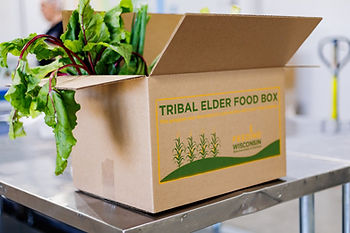
Key programs to support local food infrastructure like the Meat Processor Grant Program ($700,000 per year), Dairy Processor Grants ($600,000 per year), Buy Local Buy Wisconsin Grant Program ($200,000 per year), and the Tribal Elder Food Box Program ($1.5 million per year) all walked away with favorable funding outcomes.
Budget Losses
Despite some key funding success for local food, there were also disappointing losses. The Value-Added Agriculture Grant Program, Food Waste Reduction Grant, and Meat Talent Development Grant all received no funding in this budget. The Meat Talent Development Grant, a program which trains new meat processing workers, started under ARPA funding. The grant program will expire in 2026 without additional investment. The Wisconsin Local Food Purchase Assistance Program and the Farm to Fork Grant Program were new budget items this year that were also excluded from the final budget. These five local food programs leave a gap of more than $7 million in requested funding for regional food system work over a two year period.
“Agricultural assistance programs that increase funding for local food in our food pantries, schools, and other institutions are vital for family farmers and communities in Wisconsin,” said WFU President Darin Von Ruden. “The lack of funding for these programs in the State Budget is a missed opportunity to strengthen our local food systems. This budget falls monumentally short of requested funding for local food work. With cuts at the federal level to programs like WI LFPA and nutrition programming, these losses will weigh heavy on the shoulders of some of our state’s most vulnerable and reduce economic opportunity for Wisconsin farmers.”
Funding for the Transition to Grazing Pilot Program, DNR staffing for CAFO monitoring and oversight, Farmland Preservation programs, and rural broadband improvements all went unfunded in the State Budget as well. Investments in staffing for the Wisconsin Department of Justice Anti-Trust Division and for an Agricultural Economist in DATCP were also excluded from the final budget.
Wisconsin Farmers Union will continue to advocate for the programs that were cut from the 2025-2027 State Budget and we urge constituents to call their legislators to voice their concerns about programs that were eliminated.

Be the first to comment