
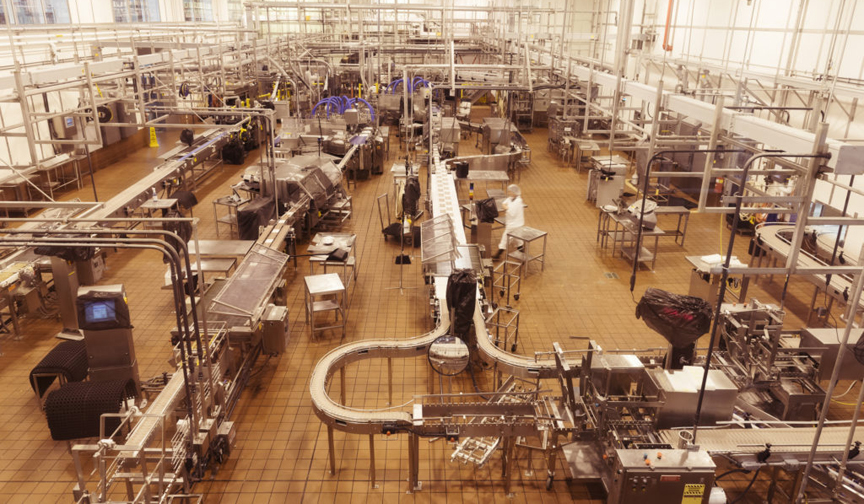
According to a recent McKinsey survey of IDFA member executives, 64% of dairy company CEOs cite labor shortages among their top 3 concerns. What may not be evident to the casual observer – labor equals capacity in a processing plant – is that you can only process as much product as you have employees to work the lines. As technology improves, plants can operate with fewer workers, but no technology will ever fully replace a skilled employee in a plant.
That is why IDFA has long urged Congress to pass commonsense agricultural guestworker reform legislation to provide farmers and processors alike with an additional tool to fill critical labor needs. Unfortunately, as the American populace slowly relocates from rural areas to more urban settings, agriculture has moved to a more immigrant-based workforce. Therefore, providing for adequate, legal pathways for guest workers to come to the United States and work in the U.S. dairy industry is the top priority for IDFA’s members.
About five years ago, IDFA formed the Immigration Task Force to bring together executives, human resources leaders, and industry representatives at all employment levels, to develop IDFA Immigration Policy Priorities that better inform our lobbying efforts on Capital Hill. This list of ten priorities addresses no touchback requirements, visas for family members, E-Verify, and a pathway to legal status for the undocumented. These priorities have driven us to develop strong Hill champions for the dairy processing sector, and we can finally say thanks in part to our members, Congress is responding.
As recently as three years ago, agriculture guestworker legislation passed the House of Representatives, only to see it fall just short in the dying minutes of that 117th Congress. That bill, the Farm Workforce Modernization Act, was the product of many years of bipartisan negotiations to reform the H-2A Temporary Agricultural Workers Program. This bill included many programmatic improvements including a few critical to dairy:
- Changing the definition of “Agriculture Labor” to include the processing sector;
- Eliminating “seasonality” requirement to allow all agricultural jobs, including dairy, to be eligible; and
- Lengthening the term of stay to a three (3) year renewable visa.
But we didn’t let this deter us from continuing to push for greater recognition of the needs of our dairy processors. Our members raised the need during nearly every IDFA congressional fly-in and fly-out, with a member issue campaign through our website, and through coalition meetings and communications with the Hill. To credit the hard work of our members, when the House Committee on Agriculture’s bipartisan Agricultural Labor Working Group sought proposals from Members, many of the 14 offices submitted proposals to expand the program to dairy manufacturers.
Just last week, the Working Group issued its final report, adopting 21 policy proposals – 15 unanimously – to improve the H-2A visa program. The reported recommended eliminating seasonality, lengthening the term of the visa, and changing the definition of “agricultural labor and services” to include the “initial preparation, processing, or manufacturing of [dairy and other] agricultural commodities.”
Our work continues, however, because we must still find a path for the Working Group’s policy recommendations to be amended into the Farm Workforce Modernization Act or any other H-2A reform bill, then passed by Congress, and finally signed by the President. So, while we celebrate the small wins, we will persist in trying to bring commonsense reforms to America’s immigration system that meets the needs of our dairy processor members.
Be the first to comment