Current Class III milk prices have fallen as high butterfat prices and low protein prices have evolved (Click here for details). This post will review the trends in pricing of cheese and butter used to price Class III milk.
CHEESE
Chart I below covers the retail and wholesale prices of Cheddar cheese used to price milk protein. Retail prices have remained stable for over five years. In May 2024, the retail price was $5.37 per pound and over the five plus years in the chart below it averaged $5.57 per pound. Wholesale prices are only slightly different, with a May 2024 price of $1.87 and a five-year average of $1.83. Overall, prices of cheese at the retail and wholesale levels are very stable in spite of inflationary pressure.
Chart I – Retail and Wholesale Prices of
Cheddar Cheese
Wholesale prices are significantly influenced by wholesale inventory levels. Chart II shows that a very consistent wholesale supply of American cheese, which is mostly Cheddar cheese. With the exception of the COVID period, days’ supply of inventory has remained very consistent. The five plus years average is 56 million pounds and the current supply is also 56 million pounds
By using the days’ supply of inventory as a measurement, both production, removal from inventory, and inventory levels are used to calculate a supply level that should be stable. The 12-month moving averages are used to be consistent with butter days’ supply covered below which has a very volatile annual pattern.
Chart II – Wholesale Days’ Supply of
American Cheese
The above analysis shows very consistent statistics, resulting from well managed processes of Class III milk production, cheese production, and management of consumer changes . The consistent pricing is amazing in a time of significant inflation.
BUTTER
The butter data below shows a much different pattern than cheese data above. The retail and wholesale prices started a significant price increase in 2022. Over the span of the charts below, retail prices have increased by 13% and wholesale prices have increase by 36%.
Chart III – Retail and Wholesale price prices
Chart IV below covers the day’s supply of butter from 2019 to the present. During the COVID period, the supply of butter went very high as eating habits changed from eating out to eating in the home. Comparing the beginning and ending sections of Chart IV, the day’s supply has been very consistent. That should correlate to a consistent price, but the retail and wholesale prices have changed significantly as shown in Chart III.
Chart IV – Wholesale Days’ Supply of Butter
The growth over the span for the period in Chart V shows a growth in inventory of 9%, close to the growth in retail sales and production.
The inventory levels do not show tightened supplies that would increase butter prices.
Chart V – Total Wholesale Butter Inventories
What is causing the significant increase in butter and butterfat prices? USDA butter pricing is complicated. Butter has a 25-year record of continuous price increases. Butter exports have always been minimal ranging from 4% to 5% production. Imports have increased more than exports resulting in net imports, not net exports. Both butter exports and imports are minimal.
The packaging of butter for homes and restaurants are different and have resulted in major swings when purchases for restaurants fell quickly and home purchases increased during COVID. When butterfat is removed from Class IV milk, skimmed milk and nonfat dry milk (NDM) are left. Skimmed milk has almost totally disappeared as a consumer product and wholesale NDM have not gained in value. The 25-year value of NDM is $1.14 per pound, the same as the current price.
New USDA Report shows per-capita consumption of butter and cheese at record highs as total dairy consumption matches historical high Some say it’s butter late than never. Others say dairy is melting the competition. However you choose [Read More …]
The Comté Cheese Association is thrilled to announce its thirteenth annual Comté Scholarship for American Cheese Society Certified Cheese Professionals™ (ACS CCP™s)! This special scholarship opportunity is open to all cheese experts who have passed the Certified Cheese [Read More …]
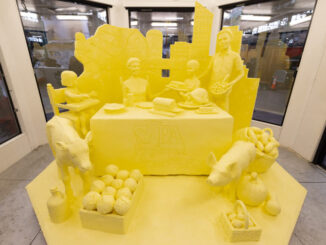
Juniata County Dairy Farm Turns 1,000 Pound Sculpture Into Renewable Energy The Pennsylvania Farm Show’s 33rd butter sculpture, “Table for All: Pennsylvania Dairy Connects Communities,” celebrated the important connection between the Commonwealth’s farmers and their [Read More …]
Copyright 2026 DairyBusiness, LLC. All Rights Reserved.
We use cookies to ensure that we give you the best experience on our website. If you continue to use this site we will assume that you are happy with it.



Be the first to comment