
I spent the last couple of days in Washington, D.C. for the NMPF State Dairy Association Summit. MPC has been a trade group member of NMPF for many years, and it’s been a great partnership to work on issues that affect our dairy families in California. A lot of ground was covered during the
In addition to the NMPF meeting, I had a chance to connect with our legislative leaders and their staff members on Capitol Hill about dairy-related issues. Thank you to Congressional Members David Valadao, Jim Costa, Vince Fong, Adam Gray, and Josh Harder for the opportunity to share information with your office about issues our California dairy families are facing.
In addition to the usual issues we discuss, such as labor, trade, and water, I took this opportunity to highlight a couple of timely issues with our legislative partners, including proposed cuts to the Natural Resources Conservation Service (NRCS)and changes to the Endangered Species Act.
On May 2, the Trump Administration released its fiscal year 2026 budget recommendations, which included a proposed $754 million cut to the USDA NRCS’ Private Lands Conservation Operations. This would effectively eliminate funding for conservation technical assistance—a critical service that helps farmers and ranchers voluntarily improve soil health, water quality, and productivity on working lands. I made the point that there are many advantages to offering planning assistance on a
As Geoff Vanden Heuvel noted in his April 25 article, the Fish and Wildlife Service and National Oceanic and Atmospheric Administration submitted a formal proposal to update the definition of “harm” in the federal Endangered Species Act. MPC partnered with the Family Farm Alliance to develop a one-page issue brief about this important update for our Congressional members. In it, we noted that in administering the ESA, the government should be required to clearly identify actual harm to species where they are found, not some vague, attenuated potential impact, or overall change in ecological condition. We also recommended that the government should make clear that “harm” requires a showing of objectively discernible, negative physical impact to one or more identified members of a species. We strongly support the proposed rule to restore common sense and
While in our nation’s capital, I also got to attend an annual soccer match where members of Congress take the field in support of local youth programs. The evening was a fun, bipartisan event that raised funds for local children’s charities and programs.
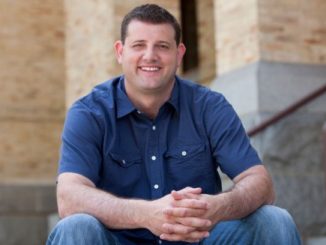
Representative David Valadao took the field and played a great game. I can only assume his speed and agility was developed as a youngster chasing loose calves on the dairy!

Be the first to comment