
US Department of Agriculture (USDA) officials have confirmed New World screwworm (NWS) in a dog in New Mexico, and Texas has three more detections, in a goat and two calves. So far, the United States has six detections of the parasitic fly in the past week.
Confirmed NWS infections in animals are also now farther from the US border with Mexico, which has reported more than 27,000 cases through June 3, according to USDA data.
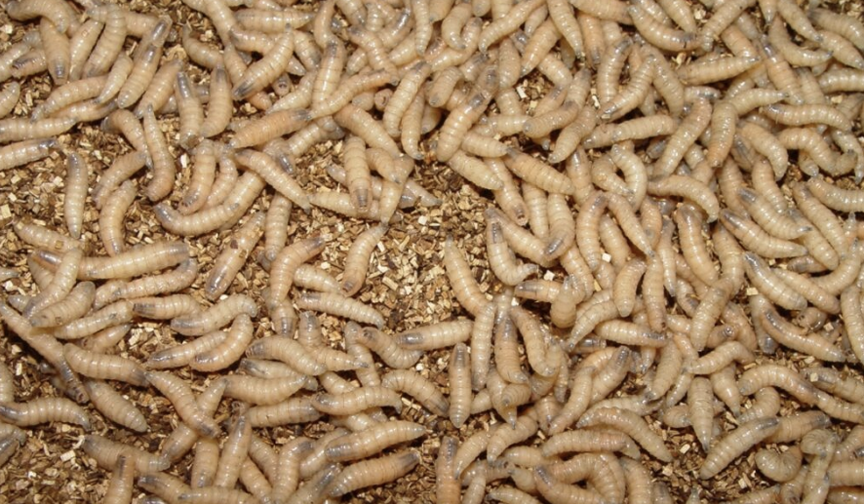
Caused by the larvae of Cochliomyia hominivorax, a parasitic fly, NWS is a serious threat to livestock, wildlife, pets, and, in rare cases, people. The larvae (maggots) burrow into the living tissue of any warm-blooded animals, causing severe wounds and infections, and infection can be fatal.
This situation is evolving, and we expect new information to emerge.
“We are working closely with our partners in New Mexico, Texas, and across the region to ensure we identify, contain, and respond to any potential cases as swiftly as possible.”
USDA at odds with Texas ag commissioner
Last night US Secretary of Agriculture Brooke Rollins voiced growing tensions between the federal NWS response and Texas Agriculture Commissioner Sid Miller. Miller has said the USDA’s response to the threat of NWS was too slow.
“That is a very unserious comment, from perhaps an unserious ag commissioner with just a few months left,” Rollins said of Miller. “It is also a very dangerous suggestion.”
Miller has been warning that Texas was increasingly at risk for NWS because of a spike in activity in Mexico. Since 2024, Mexico has documented a rise in both animal and human cases, especially in Chiapas state. Mexico has confirmed 27,449 cases of screwworm in animals since November 2024, and as many as 2,000 are currently active. As of February this year, 141 people in Mexico had been infected.
Yesterday Rollins announced the USDA has launched a $100 million “New World Screwworm Grand Challenge” to accelerate private-sector innovation. She also said that, in the past week, more than 8,000 traps have been set along the US-Mexico border, and tens of thousands of fly samples were being analyzed.



Be the first to comment