
A New Beginning for Grandpa’s Dairy Farm
While Hunter attended FVTC, a guest speaker from the Natural Resources Conservation Service (NRCS) Appleton service center presented during one of his agriculture classes. This initial exposure to NRCS prompted Hunter to visit his local service center and apply for the Environmental Quality Incentives Program (EQIP) to help make his plan for his grandpa’s farm a reality. He was already raising a few beef cattle, but wanted to create a more sustainable farming operation. As a beginning farmer, he knew the technical and financial assistance were going to be a great benefit.
While EQIP could not assist with this extra cost of running electric wire, he opted to install a Cobett waterer, which re-quires no electricity and no concrete pad. Mounted on a 10’ deep, 24” diameter polyethylene tube, the Cobett waterer is heated entirely through the conduction of geothermal heat from the earth.
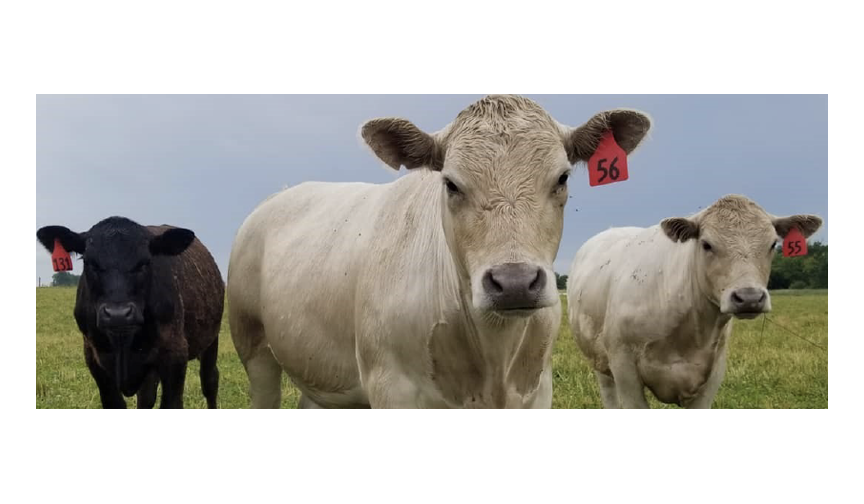
Currently at Morning Breeze Farm, 20 cow/calf pairs and 20+ young stock are raised on intensively managed pastures and rotated to a new paddock daily during the growing season. “Rotational grazing benefits both our cows and the land. Care-fully managing the pastures helps us ensure the cattle are eating quality forage, which leads to high quality meat,“ said Hunter. His beef is sold as Certified Grassfed, which requires livestock be raised entirely on an outdoor pasture and fed a 100% grass and forage diet. Hunter recognizes the benefits of managing his pastures according to his NRCS approved grazing plan, the forage balance requirements and how managing the land in this sustainable way is valuable to his business.
Along with farm co-manager, Maggie Elliott, Hunter has plans to improve and expand the farm. Plans include continuing to update their online sales of beef, pork, chicken, and seasonal garden produce, possible expansion of their pasture and a new venture to partner with a Wisconsin restaurant to supply grass-fed beef.
Morning Breeze Farm has maintained a connection with FVTC and offers their time to promote grazing through online videos. Hunter continues to work closely with the NRCS staff at the Appleton Ser-vice Center. His next goal is to improve the pollinator habitat on his farm by applying for the Conservation Steward-ship Program.



Be the first to comment