|
Recap from June 11 Call:
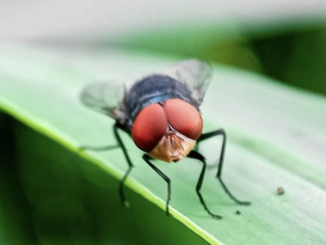
- Since the U.S. previously eradicated New World Screwworm (NWS) from the southern states and pushed the flies southward into Panama, they have remained there for decades until a recent resurgence in several Central American countries, including Mexico. To prevent the spread of NWS north into the U.S., the USDA issued several border closures regarding bison, horse, and cattle imports in the past few months. Currently, the U.S. and Mexico are collaborating to retrofit facilities for sterile larvae production and for domestic screwworm production to help slow the spread. The National Assembly of State Animal Health Officials NWS Working Group is developing best practices for movement and surveillance, as well as identifying treatment and prevention techniques for large animal veterinarians and farmers. The working group is partnering with the USDA to work towards obtaining approvals for pharmaceuticals and insecticides, such as Coumaphos and Avermectins, that were previously used to control screwworm that don’t have approval for animal and/or food use as of right now.
- For highly pathogenic avian influenza (HPAI) strain B.3,13, Idaho and California reported 18 new cases over the past 30 days. Nevada and Arizona have seen several cases of the D.1,1 strain (the predominant strain in flyways) in livestock. However, the D.1,1 strain does not appear to be capable of spreading form herd to herd or from cattle to poultry. Regarding the National Milk Testing Strategy, 10 states have reached stage 4 or unaffected status, which includes Pennsylvania. Regarding HPAI in poultry, South Dakota and Arizona confirmed 9 cases in commercial and backyard flocks.
- Currently, 65% of the world is considered Foot and Mouth Disease (FMD) endemic or at high risk of outbreak. Recent FMD outbreaks in Germany, Hungary, and Slovakia are concerning considering that prior to the initial outbreak in Germany, the EU had been declared negative for FMD since 2011. FMD is a highly contagious, vesicular, viral disease that can be spread through direct and indirect contact and affects cloven-hooved animals, such as cattle, deer, swine, sheep, and goats. FMD is considered the most contagious virus known to man and is categorized as a “Foreign Animal Disease” in the U.S. and “Dangerous Transmissible Disease” in Pennsylvania. The infected animals can become carriers for months or even years (except for swine).
- If an FMD outbreak were to happen in the U.S. or Pennsylvania, there are several strategies that could be employed, but the strategy implemented would depend on the outbreak’s severity. The federal and several state governments, including Pennsylvania, are taking steps to prepare for a FMD outbreak, such as veterinary training, developing a public response plan (The Red Book), assembling a Mid-Atlantic Emergency Response Consortium, conducting biosecurity outreach, and more. The Pennsylvania Department of Agriculture State Vet’s Office is planning and participating in several preparation-oriented exercises, including a regional permitting workshop hosted by West Virginia in September, a July FMD planning workshop, a 72-hour standstill tabletop exercise, a Mid-Atlantic Secure Milk Supply Workshop, and potentially more.
Save the Date for the Next Call:
The next “All Things Dairy” monthly conference call will be held on Wednesday, July 9 from 1-2 p.m. EST. All calls will be held on the second Wednesday of every month. As you prep for fair season this July, this call will offer tips and resources on this timely topic. American Dairy Association North East will share tips for preparing for fair season and interacting with the public. The PA Department of Agriculture will share biosecurity tips as you prepare to show your cattle. More details to come!
|


Be the first to comment