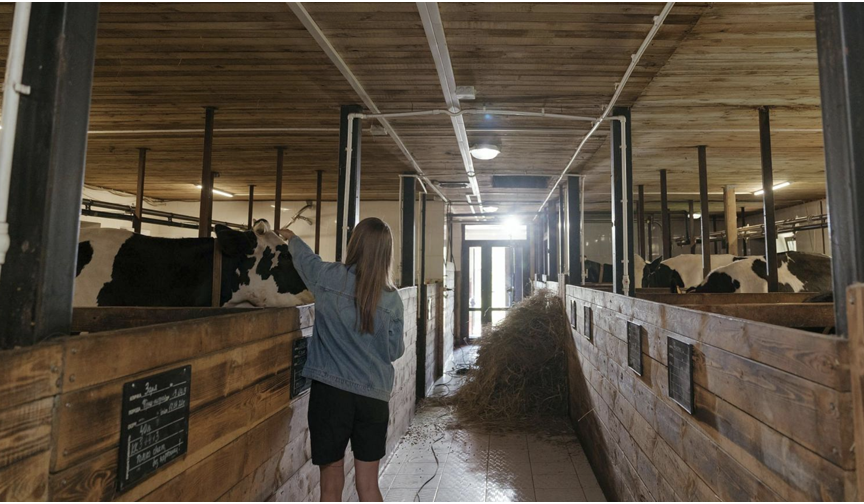
From managing dairy farms and caring for herds to working in veterinary medicine, nutrition and research, women contribute to many aspects of the dairy industry. For more than two decades, Penn State Extension’s Women in Dairy Conference has provided an opportunity for them to exchange ideas, gain new knowledge and build professional connections.
This year’s program will explore the value of dairy components, production and economics of beef-on-dairy crosses, and the connection between water and animal nutrition. Breakout sessions will address cow-calf contact, workforce resources and the impact of new dietary guidelines on dairy demand.
Ginger Fenton, dairy extension educator, helped organize this year’s conference. She discussed the conference’s history and the value of opportunities to learn and connect.
Q: The Women in Dairy Conference began more than 20 years ago. What prompted its creation and how has it evolved?
I have been involved with this conference as a participant or planning committee member since 2014. During that time, I have noticed an increase in dairy industry professionals attending, including more women on the Extension dairy team. It’s great to see how many women attend this conference because they are managers or herdspersons on farms and are looking for learning opportunities specific to dairy and human resources.
Q: What do women tell you they value most about coming together for this conference?
Fenton: I am very excited about the program this year and the speakers. It should be a great educational opportunity and we’re in a new location. It will be a great time to network with other women in the dairy industry.
Q: Why is it valuable to have a conference specifically for women in the dairy industry?
Fenton: Women are major contributors to the dairy industry. We recognize that they often have many roles they are juggling, so this conference is one day that they can get a break from their routine while providing an educational opportunity. The conference also serves as a reminder of the great work and exciting research in the dairy industry.
Q: For younger women considering a future in dairy, what opportunities exist now that might not have existed a generation ago?
Fenton: I think the door is wide open for women to be involved in the dairy industry however they desire. This conference is for women who operate their own farms or are partners on a farm, are employed on a dairy farm, or are the hard-working professionals in positions supporting the dairy industry, including as nutritionists, field representatives, veterinarians, researchers, the financial sector and many others.
Q: What would you want someone outside agriculture to understand about the role women play in today’s dairy industry?
Fenton: I would want them to know that women are involved with the day-to-day operations on many dairies.
Q: When you look ahead, what do you hope the conference looks like 20 years from now?
Fenton: I hope the attendance grows as more women in the dairy industry seek professional development opportunities and continue to gather to share ideas and support an industry about which many are passionate.
Be the first to comment