
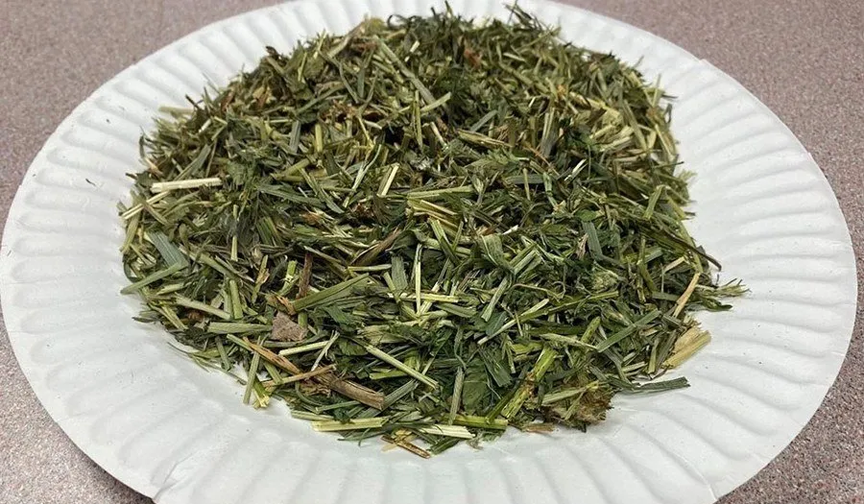
Forage testing is an inexpensive way to be sure animals are being fed properly. Are you testing your forage quality?
Greater net profit is the bottom line for why livestock producers need to know the quality of the forages they are feeding. If forages are not tested, animals may underperform due to a lack of awareness about nutrient deficiencies in the diet they are receiving. Conversely, forage quality may be higher than is necessary for a particular animal group, resulting in excess nutrients passing through the animals and being wasted. The forage may be better suited for a different animal group or in a different combination of feedstuffs for a mixed ration. Matching forages to animal groups and understanding the need for supplementation can only be achieved well when forage testing is used for management decisions.
Guessing that forage crude protein is greater than what it actually is will likely lead to insufficient supplemental protein being added to the ration. It will save on feed costs but, unfortunately, the cows will be “short changed” on CP and probably fall short on production goals. For lactating dairy cows, milk production will be negatively impacted, especially in early lactation. For brood livestock, saving the best hay for the last trimester of pregnancy and the following period of heaviest milking will accommodate better recovery for the dam and benefit any suckling offspring.
Knowing the quality of forages when selling or buying them has also proven to be economically smart. Grass hay removes approximately 50 pounds of nitrogen, 50 pounds of potassium, and 15 pounds of phosphorous per ton of dry matter harvested. Based on 2021 fertilizer prices, each ton of hay contains approximately $30 in fertilizer. If manure or legumes are used to supply nitrogen to the crop, input prices can be reduced, but all management costs should be reflected in selling price. Forage quality testing will provide a true ash, or mineral content, to make actual estimates for nutrients leaving the operation.
Forages like dry hay can be sampled when they are harvested. Sampling at harvest allows them to be sampled by field or lot and sorted in the barn according to quality for the purpose of understanding how much or how little supplement may be needed during winter feeding. Ensiled forages should be sampled closer to feeding. It is important that the ensiling process is complete before the sample is taken. Waiting an adequate period will allow for a more accurate measure of digestible fiber and starch, as well as any hazardous acids, in the feedstuffs being fed to livestock. However, you want to leave enough lead time between sampling and feeding the forage to receive test results and adjust rations as needed.
The bottom line is that investing in a forage quality analysis is a low-cost way to make educated decisions that will benefit both animal health and the economic health of a livestock operation.
Be the first to comment