
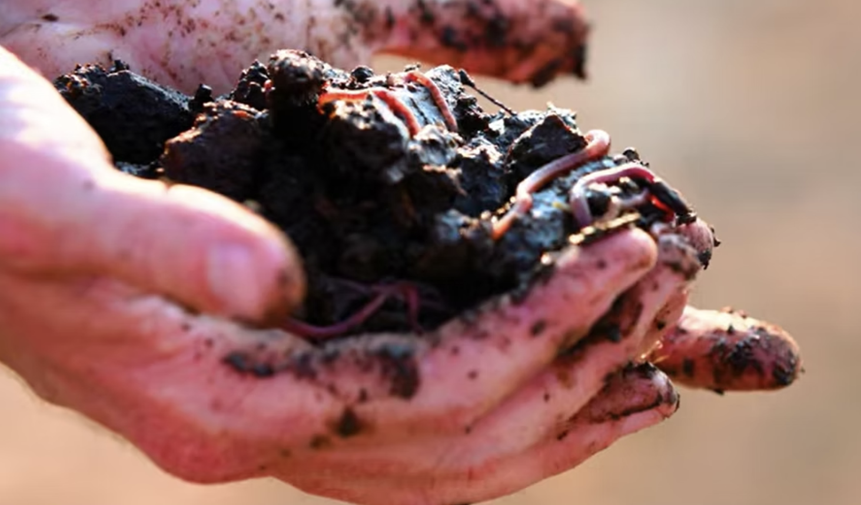
Dairies deploy vermifiltration systems to reduce methane and improve water and nutrient management.
Worm beds are wiggling their way onto a growing number of California dairy farms. Millions of worms are being deployed to help break down and improve the recycling of manure via these vermifiltration systems. It’s a process
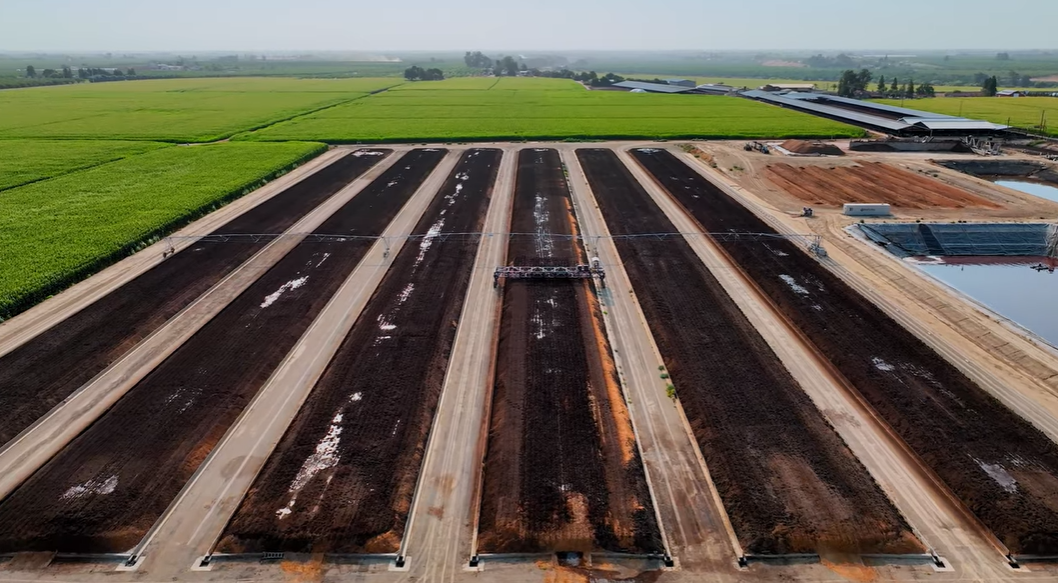
Essentially, it works like this: dairy manure is added to beds of wood chips and red wiggler worms. The aerobic conditions (inclusion of oxygen) prevents the formation of methane emissions from manure storage by up to 90 percent, according to BioFiltro. The amount of nitrogen in the remaining filtered manure-water is also reduced by 40 to 80 percent. The filtered water is then available for more flexible on-farm use.
There are currently vermifiltration systems running on four California dairies, three more are in construction, and additional projects are in early development stages. Adoption on California dairies has been supported significantly through the Dairy Plus program, which is funded by the California Department of Food and Agriculture (CDFA) and the United States Department of Agriculture (USDA) via the USDA Advancing Markets for Producers (AMP) program. Additionally, contributions from private partners within the dairy supply chain are supporting implementation. The company behind all of these worm beds is BioFiltro, which has been delivering worm-powered solutions to wineries, food processors, and other urban agencies and businesses globally since 2010.
Vermifiltration is being recognized as a useful tool for both the state of California and major consumer product good (CPG) companies, as they work to quickly reduce climate impacts. Companies are also purchasing carbon
World-leading food and beverage companies, including Nestlé, Danone, and Leprino have been investing in BioFiltro’s efforts to bring vermifiltration systems to California dairies. This past June, Danone and Leprino extended their existing business relationship for the supply of dairy ingredients by signing a multi-year agreement focused on sustainability. This agreement aims to reduce on-farm emissions by approximately 50 percent by 2030, compared to 2020 levels. The “first significant project” involves installing a BioFiltro system on a dairy farm in California.
A statement from Danone reads, “Through this partnership with Leprino, we aim to reduce emissions on dairy farms in the USA, with a focus on manure management practices. The objective is to select levers that not only reduce greenhouse gas emissions but also deliver significant co-benefits to the resilience of farms, notably impacting water, soil health, and nutrient management planning of farmers.”
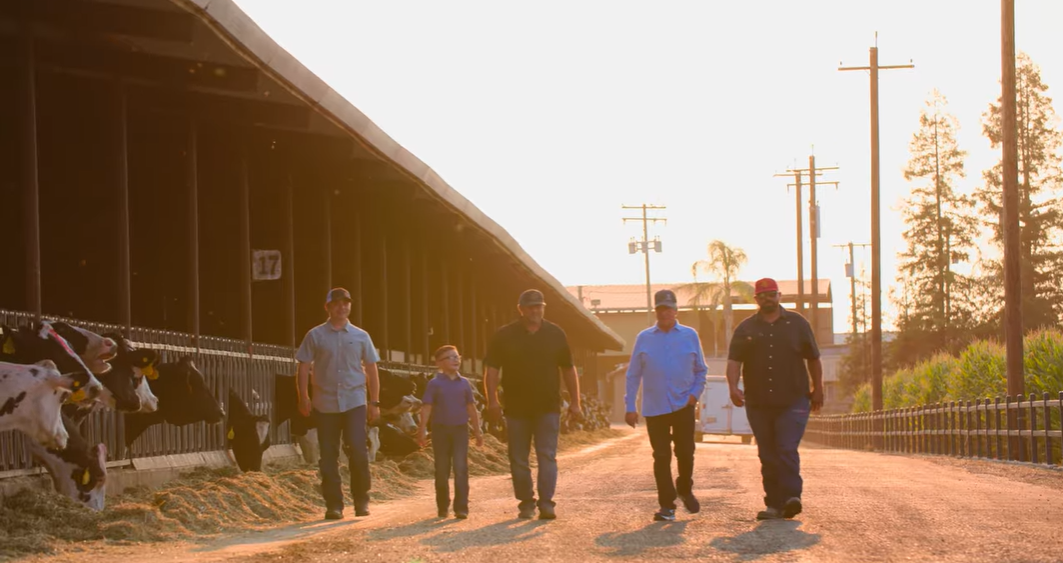
Dairy farmer interest in exploring and implementing the worm beds has been strong. Farmers appreciate that the system offers a simple option for improving manure management. After manure is collected via flushing or scraping, the first step is to separate out much of the manure solids using a separator screen or centrifuge. Solids can then be dried for use as compost or bedding. Traditionally, the liquid portion is then sent to a storage lagoon before being used to irrigate forage fields. This is where the BioFiltro approach differs, to avoid the creation of
While cows are still the main stars of California’s planet-smart dairy farms, worms are adding significant horsepower and driving progress toward a world-leading goal. Over just the past eight years, the state’s dairies have collectively achieved an annual reduction of 5 million metric tons of methane (CO2e) and counting. Continued investment in projects like worm beds, digesters, and other alternative manure management technologies will be needed in the near term to achieve the full 40 percent reduction goal by the 2030 target.

Be the first to comment