

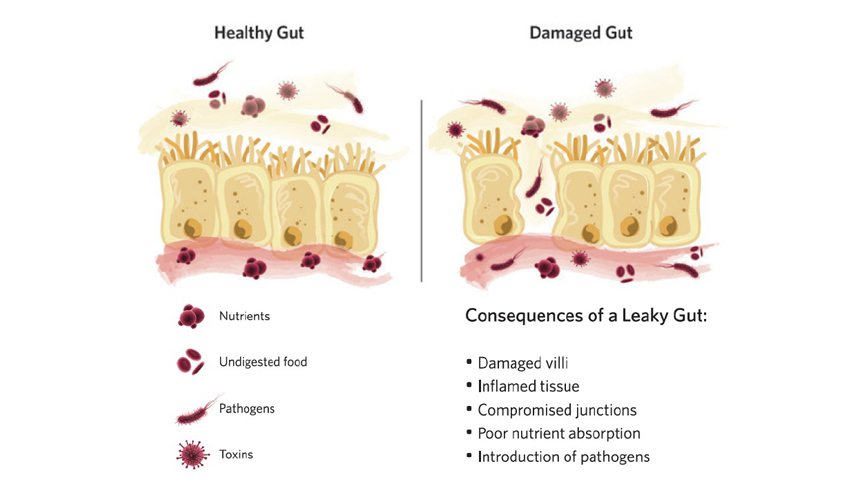
Probiotics fit into an effective feeding strategy that can be implemented in conjunction with infrastructure to combat the high cost of heat stress. According to The World Health Organization probiotics are “live microorganisms which when administered in adequate amounts confer a health benefit on the host”; in order to be labeled a probiotic, scientific evidence for the health benefit would have to be documented. Ledgerwood states, “The main benefits of probiotics within the rumen are to remove oxygen and, in doing so, encourage an increase in cellulytic bacteria and lactic acid utilizers while reducing lactic acid producers, helping to stabilize pH.” Probiotics improve the production of important volatile fatty acids, like propionate, that can be absorbed through the rumen wall and transported to the liver, where it is converted to glucose. In the lower GIT probiotics have the ability to compete with enteric pathogens, increase the digestibility of the feed through effective enzyme production, enhance mucosal immunity, and improve tight junction protein function which help alleviate leaky gut syndrome.
Some of the most commonly used probiotic bacteria and yeast are Lactobacilli (also known as lactic acid bacteria), Bacilli (hardy spore forming bacteria with tremendous stability and lower GIT function), and Saccharomyces cerevisiae (live yeast that can support normal rumen function).
Chr. Hansen is a global, differentiated bioscience company that develops natural ingredient solutions for the food, nutritional, pharmaceutical and agricultural industries. At Chr. Hansen we are uniquely positioned to drive positive change through microbial solutions. We have worked for over 145 years to enable sustainable agriculture, better food and healthier living for more people around the world. Our microbial and fermentation technology platforms, including our broad and relevant collection of around 40,000 microbial strains, have game-changing potential. Matching customer needs and global trends we continue to unlock the power of good bacteria to respond to global challenges such as food waste, global health and the overuse of antibiotics and pesticides. As one of the world’s most sustainable companies, we touch the lives of more than 1 billion people every day. Driven by our legacy of innovation and curiosity to pioneer science, our purpose – To grow a better world. Naturally. – is at the heart of everything we do. (www.chr-hansen.com)
References:
- Ferreira, F. C., R. S. Gennari, G. E. Dahl, and A. De Vries. 2016. “Economic Feasibility of Cooling Dry Cows across the United States.” J. Dairy Sci. 99:9931–9941. https://doi.org/10.3168/jds.2016-11566
- Laporta, J., F. C. Ferreira, V. Ouellet, B. Dado-Senn, A. K. Almeida, A. De Vries, and G. E. Dahl. 2020. “Late-Gestation Heat Stress Impairs Daughter and Granddaughter Lifetime Performance.” J. Dairy Sci. 103:7555–7568. https://doi.org/10.3168/jds.2020-18154
- Casarotto, L. T., J. Laporta, and G. E. Dahl. 2021. “Financial impacts of late-gestation heat stress on cow and offspring lifetime performance,” UF/IFAS https://doi.org/10.32473/edis-AN374-2021

Be the first to comment