
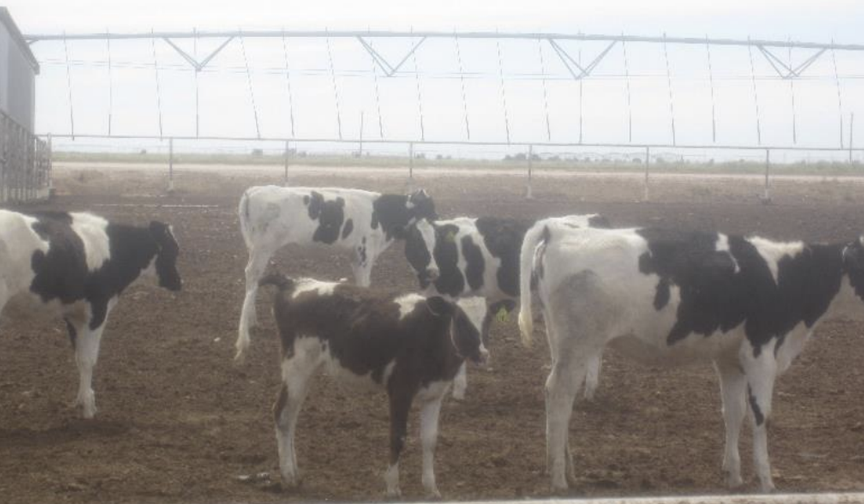
Heifer reproduction is an essential factor for any dairy operation, as heifers determine the future productivity and genetic quality of the herd. Managing heifer reproduction efficiently is crucial to maintain the sustainability and profitability of the herd, as well as to improve genetic advancements over time. This article will explore the costs associated with raising heifers, the impact of poor reproductive performance, optimal reproductive benchmarks, and management strategies to enhance heifer reproduction outcomes.
Costs of Raising Heifers and Poor Reproductive Performance
Poor reproductive performance in heifers can be incredibly costly to producers. Delays in reaching key reproductive milestones, such as age at first conception, increases the cost of raising replacements, leading to a direct hit on profitability. Poor heifer reproductive performance can also reduce the overall genetic progress of the herd, as fewer high-quality heifers are brought into production and are often poorer performing lactating dairy cows. Additionally, heifers that fail to conceive on time or experience reproductive issues may be culled, resulting in further financial losses and requiring underperforming cows to be retained longer than anticipated. In fact, research has shown that heifers calving ≥ 30 months of age are 5.5 times more likely to be culled from the herd within the first 50 days in milk.
Optimal Heifer Reproduction Benchmarks
Achieving optimal heifer reproduction benchmarks is essential to maximize profitability and herd productivity. The first key benchmark is the age at first breeding, which should occur when a heifer reaches around 55-60% of her mature body weight. For Holstein dairy heifers, this usually means breeding at approximately 12 to 15 months of age, depending on growth rates, nutrition and genetics. By this age, the heifer should be sexually mature and physically capable of supporting pregnancy without negative consequences to her health or future productivity.
The age at conception should closely follow, with the goal to achieve first conception by 15 months of age. Delays in conception can significantly increase the cost of raising the heifer, as each additional month of maintenance requires more resources without a return on investment. In fact, heifers that require three or more inseminations have a 24% greater chance of being culled within the first 30 days in milk. If they require five or more inseminations, they are 52% less likely to complete their first lactation.
The next critical benchmark is the age at first calving, ideally between 22 to 24 months of age. Heifers calving later than this age increase the cost burden on the operation. Research shows that heifers calving after 26 months often have reduced lifetime productivity1. Heifers calving too early (before 22 months) may not have reached full physical maturity, which can lead to complications during calving and reduced milk production potential in their first lactation1. Failing to meet these reproductive benchmarks results in financial strain, decreased herd productivity, and an overall reduction in profitability.
Heifer Reproductive Management
Effective heifer reproductive management involves monitoring heifer growth, determining breeding eligibility, and choosing appropriate breeding strategies to ensure successful pregnancies. Monitoring heifer growth rates to ensure they are on track to meet their first breeding target is vital.
- Determining breeding eligibility can be done by assessing both physiological and behavioral signs of estrus or heat. Heat detection remains a critical part of heifer reproductive management, though newer technologies like activity monitors or automated heat detection systems are becoming more common and reliable. Therefore, they may be beneficial to implement but should be investigated on the appropriate device for each herd’s management style.
- Breeding after heat detection is a common practice, with artificial insemination, AI, being the preferred method for many operations. Artificial insemination allows for better genetic selection by using semen from high-quality bulls that may be located elsewhere. When breeding heifers, semen from bulls with proven low calving difficulty — calving-ease bulls — should be selected to minimize the risk of calving complications, which are more common in first-calf heifers. In some herds, timed AI protocols may be used, where hormonal treatments are administered to synchronize estrus cycles, allowing for more controlled and predictable breeding schedules. This reduces the need for heat detection but requires precise management of protocols. However, heifers typically express heat better than lactating dairy cows and therefore synchronization protocols are not complicated and may only require one to two injections.
- Calving difficulty considerations are important for heifers, as first-time calvers are more prone to dystocia/difficult births than mature cows. Using semen from bulls with high-calving ease ratings can mitigate this risk, ensuring that heifers can deliver healthy calves without prolonged labor or intervention, which can compromise both the dam and calf’s health.
Conclusion
Good heifer reproduction is essential for the sustainability and profitability of any herd. Ensuring heifers meet optimal reproductive benchmarks for age at first breeding, conception, and calving maximizes their productive potential while minimizing costs. Effective reproductive management practices, such as monitoring growth, detecting heat accurately, and selecting semen with calving ease in mind, are critical to achieve these goals. The consequences of poor heifer reproductive performance not only impact profitability but also slow down genetic advancements, as fewer high-quality heifers make it into the herd.
By prioritizing reproductive efficiency and using advanced management practices, producers can ensure a steady flow of high-quality replacements that will enhance herd performance and profitability in the long term. Ultimately, successful heifer reproduction management is a vital component of the ongoing sustainability and genetic improvement of the herd.

Be the first to comment