
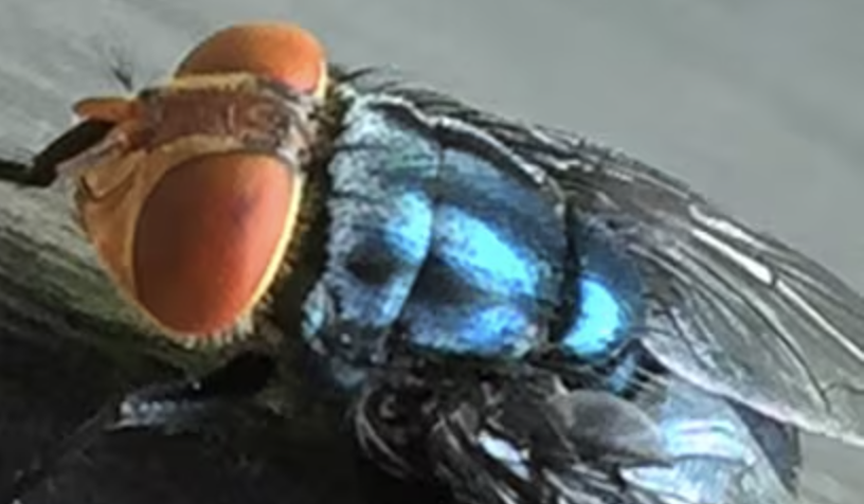
The USDA recently announced it will build an $8.5 million sterile fly dispersal facility in Texas focused on combatting the damaging and invasive New World screwworm.
The New World screwworm is a type of fly, scientifically known as Cochliomyia hominivorax. Its maggots are the main concern because they feed on the living flesh of warm-blooded animals. The USDA reports that screwworms have been found in Mexico as far north as Oaxaca and Veracruz, about 700 miles from the U.S. border.
Unlike most maggots, which eat dead tissue and are helpful for decomposition, the New World screwworm
The screwworm can infest livestock, pets, wildlife, sometimes birds, and — in rare cases — people.
The eradication of New World screwworms is done through releasing sterilized flies into the environment, which mate with the local New World screwworm populations, stopping further reproduction. The population of New World screwworms then dies out. This technique was used to successfully combat a brief outbreak in the Florida Keys in 2016 and 2017.
To do this, the U.S. needs to release sterile flies – and a lot of them. The USDA’s proposed plans, according to a press release, also includes building a fly breeding facility that could produce about 300 million flies per week.



Be the first to comment