
Why Compost
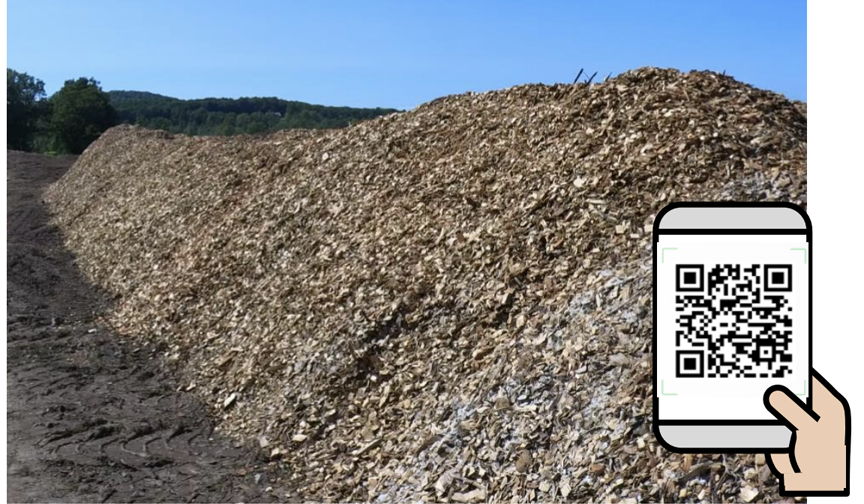
It seems too convenient that a dead cow can just be placed in a compost pile. However, it isn’t that simple. The challenge is that meat and bodily fluids decay much faster than manure and stalks. Bacteria in the compost pile work fast on these food sources and quickly use up all the oxygen. This causes the compost pile to fail and stink. Successfully composting cattle carcasses requires a suitable site, preparation of sufficient carbon sources, correct construction of the compost pile, and maintenance of the appropriate moisture and temperature levels throughout the process (Figure 1).
Key Considerations
The ideal site for mortality composting piles is a dry and well-ventilated outdoor area away from public roads, water sources or residential/recreational areas. The pile will occupy the site for at least six months, and it must remain undisturbed.
A typical static compost pile is 5 to 6 feet high and less than 11 feet wide. It starts with a bowl-shaped woodchips base at least 18 inches thick to collect liquid and other byproducts. Place the animal carcass in the center of this base. It is a good practice to pierce the rumen to prevent bloating and potential explosion from the accumulating gases. Opening up or quartering a larger carcass will escalate decomposition. Cover the carcass with dry and carbon-rich materials such as old silage, wood shavings, dry stall bedding, bedded pack, hay/straw, chopped corn stalks or cobbs, nut or seed hulls. The carcass should be surrounded by at least 12 inches of materials on all sides to ensure heating, reduce odor and discourage unwanted animals. From 3 to 5 cubic yards of carbon materials per 1,000 pounds of carcass will be needed. If necessary, create a continuous window for multiple carcasses.
Monitoring and Maintenance
The temperature, moisture, odor, unwanted animals and liquid coming from the pile (leachate) will need to be monitored. Monitoring temperature is the most crucial practice for supervising the composting process. A long-stemmed thermometer with a 3 or 4-foot probe must be used to check the temperature at the core of the compost pile. Measure the temperature at various locations to determine its uniformity throughout the pile. A properly built pile should reach 130- 160 degrees within two or three days and remain at this temperature for at least two weeks. At this temperature range, microbes will be able to efficiently break down the carcass, and the heat of the pile will keep away any unwanted animals. To check the moisture, grab a handful of the mixed material and squeeze it. It should feel like a damp sponge: moist but not dripping. The carcass may shift position when ripening inside the pile. Check the pile after the first few days of assembly to ensure the carcass remains well covered on all sides, or scavengers will take notice.
Utilizing Compost
Apply the compost to land on which it was manufactured at the proper rates for the crop. If it will be used on other land (special permission may be required by the Texas Commission on Environmental Quality), be sure to disclose the compost ingredients before the transaction is completed. The compost will likely contain clean bones free of flesh or skin. The bones can be reused as a base for a new mortality compost pile. Smaller bones can be incorporated into land applications.


Be the first to comment