
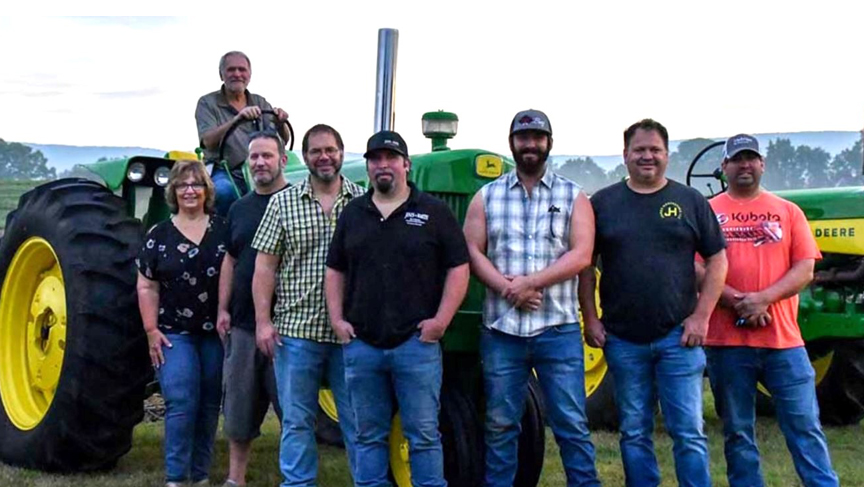
Growth mentality. “A lot of other people would look at a situation and say, ‘That’s not worth it. We don’t want to do it.’ For the Jones family [who purchased this dairy], they’ll look at the same situation and their mentality is, ‘We can figure something out.’ They have a lot of good people who work really hard.” –CoryBuilding trust with employees. “Our employees were used to a previous owner. New faces and leadership were coming in, so there were some growing pains in the beginning. We had to put our time in to earn their trust and respect. A huge part of our management style is communication. They are our teammates, so we keep them informed on what we’re seeing and changes we want to make. They don’t need a dictator. We love working together, and we want them to point things out to us. Whether it’s our somatic cell count or breeding program, we want them to know our end goal and where we’re at.” –KerryBenefits of a heat audit. “Watching the infrared camera, it showed the big fans do not do a great job unless the cow is directly underneath the fan. It also showed the holding areas were a big pinch point for us. As you start to get the cows together, there’s all that temperature,” Corey shared. “One of the things I found interesting from the heat audit was a dirty fan. It ran about 20 mph less if that fan was dirty instead of clean. That’s a priority here because it makes such a difference on cows. That’s something we took away from the heat audit. When you see it on paper in black and white, it’s worth taking the time to clean fans,” Kerry added.Listen to the podcast episode.

Be the first to comment