

Fall forage management is important for overwintering cool-season perennials in both hay and pasture systems and to promote healthy spring growth.
Harvest and heights
Adjustments must be made in the fall to ensure winter-hardy and spring-ready stands. If alfalfa is typically mowed at 2″- 2.5″ during the spring/summer, adjust those to 3″ -4″ in the fall. If grass is the predominant species, maintain a 4″ minimum height to promote faster regrowth. The same rules apply to grazing management in pastures. Overgrazing can inhibit the growth and development of the forages for spring, so implementing a managed grazing system can improve your ability to monitor plant heights.
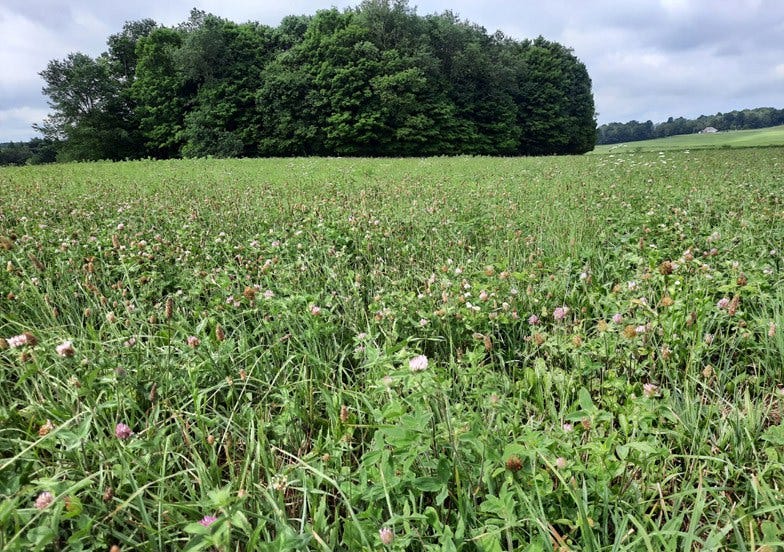
Timing is also important. After mowing or grazing, there must be enough time for the plant to regenerate vegetative material before a “killing frost.” A general rule is 4-6 weeks. For alfalfa, different varieties exist with improved weather hardiness and will allow for later cuttings. Stand survivability, however, can depend largely on this fall regrowth, so be cautious when trying to harvest late. How Fall Forage Harvest Can Affect Spring Stands discusses harvest heights and timing in more detail, including cutting heights, root regrowth, and carbohydrate storage for grass and alfalfa management. In short, allow enough time for some fall regrowth and lift the mower to leave behind more vegetation.
Field assessment and awareness
Fertility adjustments
Fall is an ideal time to get out in the field and correct soil fertility, ensuring your spring regrowth has what it needs to succeed. Taking a soil test now and continuing a 3-year fall schedule keeps timing and results consistent by testing at the same time of the year. After all forages have been removed for the year, sampling will be easier and result in more accurate lab recommendations. If pH or Mg adjustments are required, lime additions in the fall will have adequate time to begin neutralizing acidity and help improve nutrient availability. Applying phosphorus can help stands improve root growth and tillering in the spring, while potassium will aid in winterhardiness. If considering a nitrogen application to boost leaf growth, apply before October 1, with adequate moisture availability and less than 40 lbs. per acre.
Weed control now
Not only is it one less job in spring or summer, but for some species, fall is the optimum time for weed control applications while they are still green and growing. Some of our perennial weeds, such as common milkweed and Canada thistle, remain active into the fall. Bramble species and multiflora rose are also actively growing and can be controlled with fall applications. Buttercup and dandelion are beginning to grow and can be controlled in their rosette forms. The same can be said for biennials like common burdock and wild carrot, which are easier to manage in the rosette stage. For more information on fall weed management in forages, read Fall Weed Control in Forages.
Pasture Management
If you specifically consider pastures, now is an excellent time to think about mowing and/or dragging. Mowing can be a helpful weed control measure but will also reduce some overgrown areas and aid in dethatching. Cutting down tall and standing material promotes decomposition during wither snow and rains, reducing dead plant matter in the field by spring. Dragging this time of year can get manure nutrients to different areas of the paddock and help it decompose faster. If paddocks are small enough, this isn’t necessary, but it can be helpful in some situations.
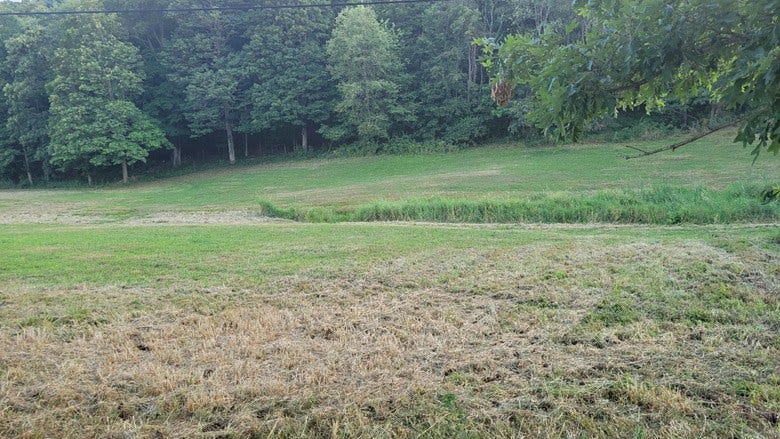
This “slow” time of year in the fall, between hay season and spring chores, is sometimes the best chance to get some extra work done. Prioritizing and using this short list can help ensure that forages have the best opportunity for survival and a healthy start in the spring.


Be the first to comment