
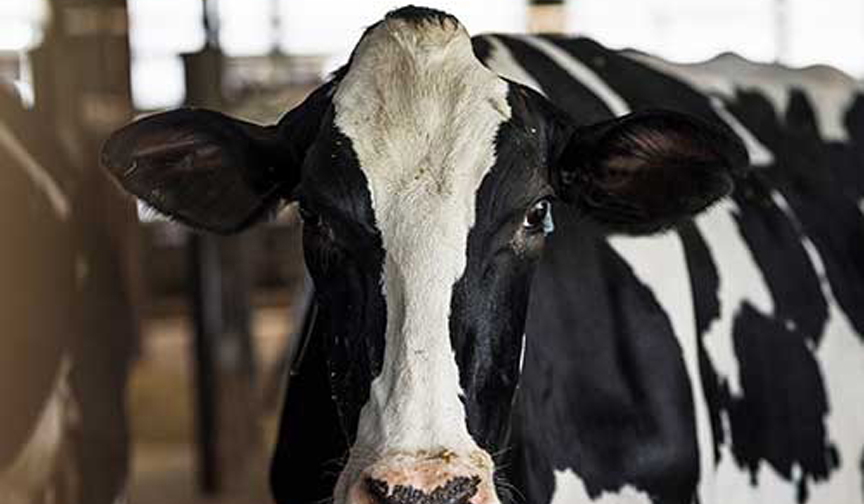
As we conclude our Productive Life Series, we turn our attention to the critical topic of sustainability in dairy farming. This final installment explores how sustainability practices not only benefit the environment but also drive long-term productivity and profitability for dairy operations.
Profitability Through Sustainability
For many dairies, sustainability is not just an abstract concept—it’s an essential objective. Efficient resource use and the reduction of environmental stressors like greenhouse gas emissions are crucial in today’s dairy landscape. Amid ongoing water shortages and rising feed costs, increasing herd productive life becomes even more compelling. A longer productive life leads to greater milk production from mature cows and improved feed efficiency, as fewer lactating animals are still growing. This journey begins with raising healthy, robust heifers—those “Platinum Heifers” who eventually become the “Golden Girls.” Elite herds have mastered the art of creating and retaining healthy mature cows, which in turn supports both economic and environmental sustainability.
However, various pressures threaten this goal, from health issues like mastitis and lameness to reproductive challenges. Every dairy cow reaches a “breakeven” point where the milk she produces offsets her rearing costs, so it makes financial sense to retain animals that have surpassed this threshold. Like maintaining a well-cared-for vehicle instead of constantly trading in for a new one, the goal is to extend the productive life of cows without compromising herd health. Additionally, extreme fluctuations in calving patterns can create waves of heifers entering the herd, leading to increased culling pressure. Managing these factors is crucial to creating the right environment for productive life.
Environmental Advantages
A herd with a higher proportion of younger animals not only emits more methane but also excretes more phosphorus into the environment. By reducing the need for replacement heifers, dairies have the opportunity to market beef cross calves, which mature more quickly and contribute less to greenhouse gas emissions. Essentially, fewer “rumen days” means a reduced environmental footprint. These benefits underscore the importance of extending the productive life of dairy cows, both for the environment and for herd efficiency.
Conclusion: A Future Focused on Sustainability
Sustainability in dairy farming is more than just a trend—it’s a necessity for the industry’s future. Extending the productive life of dairy herds addresses not only the economic challenges of modern farming but also the environmental and social demands of today’s consumers. By successfully transitioning “Platinum Heifers” into “Golden Girls,” dairy operations can reduce their environmental impact, strengthen their bottom line, and improve overall herd health. The path to a sustainable dairy future is clear, and it begins with a commitment to the long-term productivity of each and every cow.
As we wrap up this final article in our three-part Productive Life Series, we want to thank you for joining us on this journey. We hope the insights shared have inspired you to take actionable steps toward a more sustainable, profitable, and productive future for your dairy operation. Here’s to a bright and sustainable future for dairy farming!


Be the first to comment