
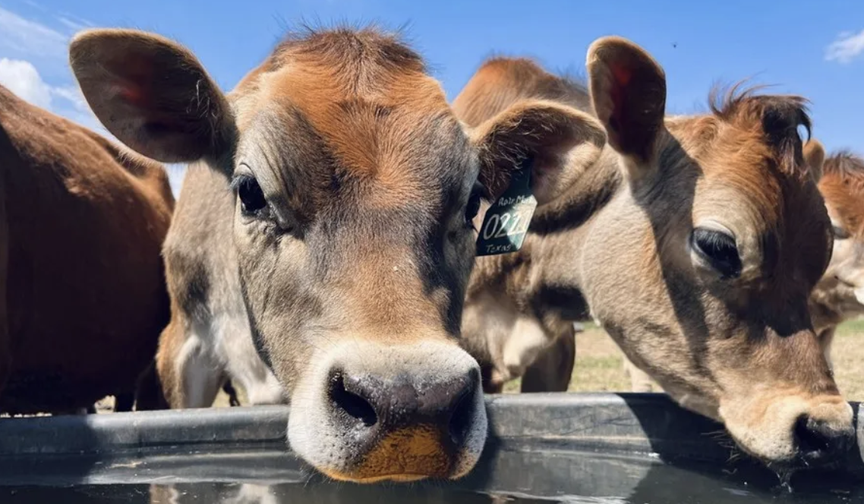
Heat stress begins with spring warm weather. Spring is the time to focus on cow comfort, feed and water intake to buffer some of the effects of heat stress.
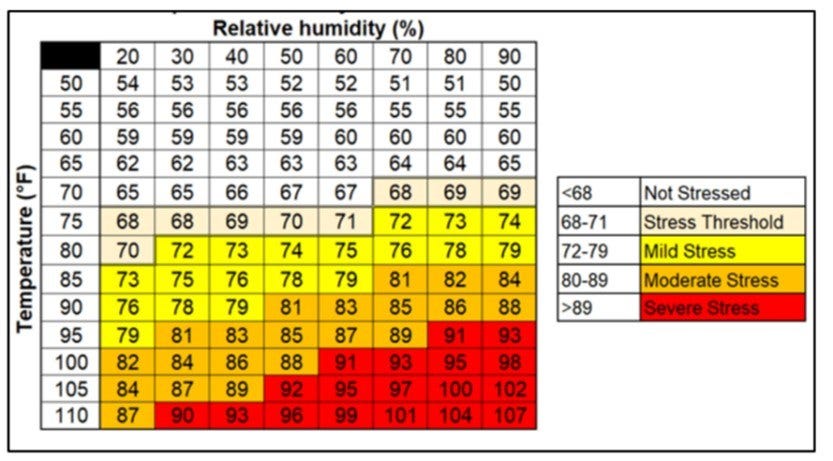
Figure 1. University of Maryland, 2021
Heat stress is caused by the summation of solar heat and internal heat energy generated from feed digestion and milk production (Polsky and Keyserlingk, 2017). Environmental drivers of heat stress are temperature and humidity, which have been summarized by the temperature humidity index (THI) (Thom, 1959). The stress threshold for dairy cows has been documented to begin at as low as a THI 68, which can be reached at low temperatures (Polsky and Keryserlingk, 2017). Characteristic signs of heat stress include increased respiration rate, panting, reduced milk yield, reproductive performance, modified drinking and feed intake, increased standing time and shade seeking, and decreased activity and movement (Polsky and Keyserlingk, 2017). While many areas of production can be impacted by heat stress, this article will focus on management strategies related to feed and water intake.
Water Intake
Water intake should be a top consideration for farmers when implementing practices to reduce or manage heat stress. Fluctuations in water intake can limit a dairy cow’s ability to regulate her body temperature (University of Minnesota, 2020). High-producing Dairy cows need 25 to 35 gallons of water per day (University of Minnesota, 2020). Polsky and Keyserlingk, 2017, determined that water intake by a heat-stressed dairy cow can increase by 1.47 lbs./°F above the minimum ambient temperature.
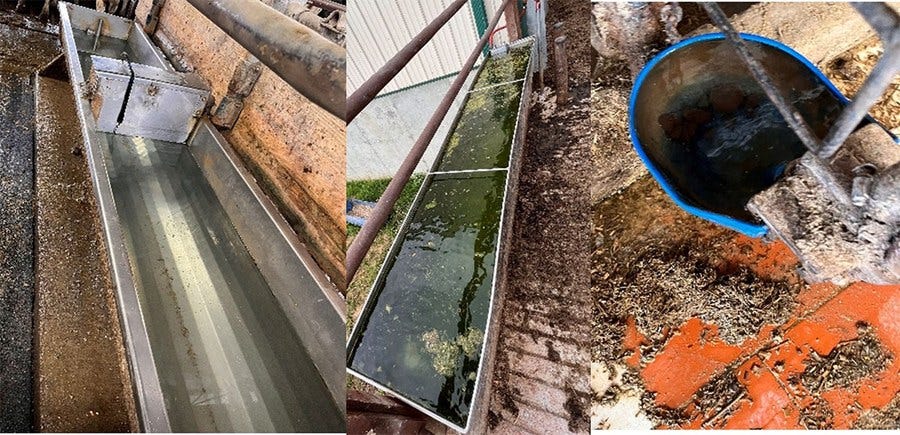
Figure 2. Rainey Rosemond, Penn State Extension
To encourage adequate or increased water intake, proper maintenance of water bowls is required. Water troughs should be dumped at least once daily, and all debris removed and refilled. Water bowls in tie-stall facilities should be cleaned of debris at least once daily. Water bowls could need to be cleaned out at each feeding if debris has built up by cart delivery of the total mixed ration (TMR). Water bowls and water troughs should be cleaned bi-weekly with a diluted chlorine solution to ensure grime is not allowed to build up (Becker, 2021). Water intake is typically greatest immediately following milking (Becker, 2021). Given this, many producers will choose to add water troughs for animals to access as they return from the parlor (Becker, 2021). Strategic facility renovation can be an option for producers looking to increase water access on their farms.
Feed Intake
It is well established that dairy cows consume less feed as environmental temperatures increase (University of Kentucky). To combat the effects of reduced feed intake, good feed management practices should be implemented. Most importantly, producers should maintain feed availability for 22 to 24 hours per day. It is important to keep in mind that feed availability does not just mean that feed is present. Feed must be pushed towards dairy cows frequently to avoid ridge formation. A good practice to implement during hot weather is checking if the feed feels hot to the touch (University of Kentucky). If the feed is noticeably hot, discuss possible organic acid additives to minimize bunk heating and stabilize the feed. Ensuring refusals are scraped out daily and fresh feed is delivered multiple times per day will help maintain normal feeding behavior (University of Kentucky). Producers should also walk their bunks daily to observe feeding patterns. Depending on tractor direction, feeding patterns, and feed-out rates the entirety of a bunk might not be used. While easily overlooked, covering all available feed bunk surfaces will help reduce competition for feed and cow-to-cow interactions. Additionally, monitor how feed is pushed. If the feed is only redistributed in one direction with each push, it is important to ensure that feed bunk space isn’t limited by feed placement. Adapt feed-out protocols as needed.
Pasture Management
In Pennsylvania, as the weather warms up, it is very common for producers to put dry cows, heifers, and lactating cows out on pasture. While pasture provides animals with an excellent opportunity to socialize and exercise, it does not come without risk to animal health, especially depending on the time of day. Dairy cows will naturally seek shade when experiencing heat stress. Making sure animals are provided with adequate shade, in the form of trees or shade structures, is important. What is considered adequate will vary depending on the number of animals present in each pasture at any given time. Another important consideration for providing adequate shade on pasture is to avoid bunching by having multiple spots of shade coverage or portable structures. As animals group below available shade structures, the ground below may become sloppy, potentially leading to dirty animals and increasing the likelihood of new mastitis infections. Make sure animals housed on pasture have adequate access to clean water and ensure floats and water lines are operating appropriately. If multiple paddocks are being grazed, each paddock must have a water source available.
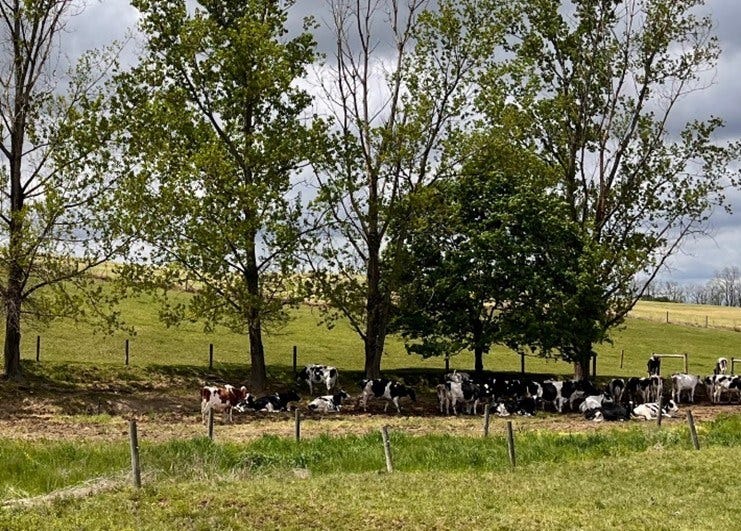
Figure 3. Rainey Rosemond, Penn State Extension
Lameness and Pain
It is well established that heat-stressed dairy cows will increase their standing time in an effort to increase surface area for heat abatement (Polsky and Keyserlingk, 2017). Heat-stressed dairy cows are at an increased risk for lameness, potentially caused by either dairy nutrition or increased standing times (Polsky and Keyserlingk, 2017). Alterations in dairy nutrition can be due to changes in dry matter intake resulting in an imbalance in the weight of nutrients consumed. However, an increase in standing time will directly reduce lying time, further reducing rumination time, and altering nutrient digestion. Producers should prioritize cow comfort and hoof health during heat stress conditions.
Summary
Heat stress has been documented to impact animal welfare and performance. While a decline in production is seen on many farms in Pennsylvania, the extent of a production drop-off can be mitigated by properly encouraging feed and water intake. Appropriate pasture management and a focus on cow comfort and hoof health could also help buffer animal performance when heat stressed.
Resources
Becker, C. 2021. The value of water. Penn State Extension.
Amaral-Phillips, D. Checklist for the Top 5 Priorities for Fall/Winter Dairy Feeding Programs. University of Kentucky.
Polsky, L., Keyserlingk, M. 2017. Invited Review: Effects of heat stress on dairy cattle welfare. Journal of Dairy Science. DOi.org/10.3168/jds.2017-12651
Potts, S. 2021. Short and long-term effects of heat stress in dairy cattle.
Thom E.C. 1959. The discomfort index. Weatherwise; 12: 57-59
University of Minnesota Extension. 2020. Heat stress in dairy cattle.


Be the first to comment