
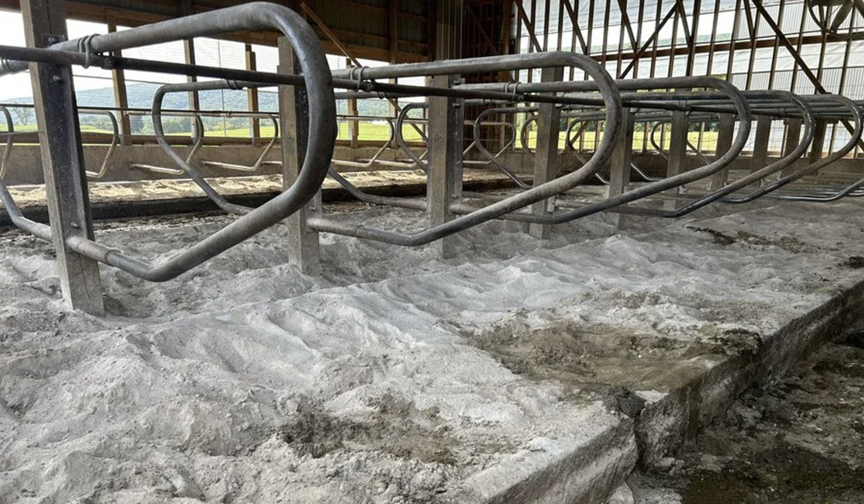
For those struggling with somatic cell count (SCC) issues, finding the root of the problem can be a frustrating task. This article explores the question, could your choice of bedding be the root of your problem?
For those struggling with somatic cell count (SCC) issues, finding the root of the problem can be a frustrating task. Many factors affect a farm’s SCC, including but not limited to the characteristics of the cow, milking procedures, seasonality, facilities, management, and bedding. You must be able to identify the cause of mastitis, but if environmental mastitis is the culprit, could your choice of bedding be the root of your problem?
Understanding what bacteria are present is also important in determining where the bacteria are coming from. If environmental bacteria are to blame, there are many places of potential concern. Heavily soiled bedding surfaces, dirty alleys, contaminated flush systems, and improperly stored bedding are just a few places where contamination can originate. In many cases, the bedding used in either free stalls or tie stalls could be the source of the problem. Common bedding materials for dairy operations are classified into organic (wood products, straw, or manure solids) and inorganic (sand or limestone). Since bacteria require nutrients and moisture to survive, bedding bacteria counts are higher in organic bedding materials than inorganic materials (Patel et al., 2019). Management factors such as storage, bedding frequency, manure management, stall design, and more can affect bedding quality. Some bacteria are present in different types of bedding even prior to use in dairy housing. Therefore, understanding what bacteria are common to bedding types can be a first step in managing environmental mastitis.
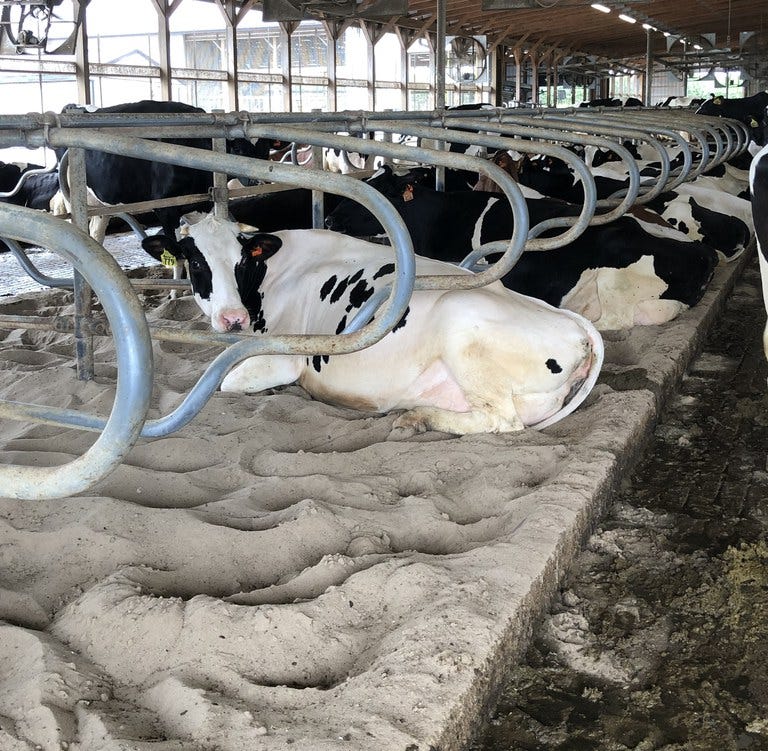
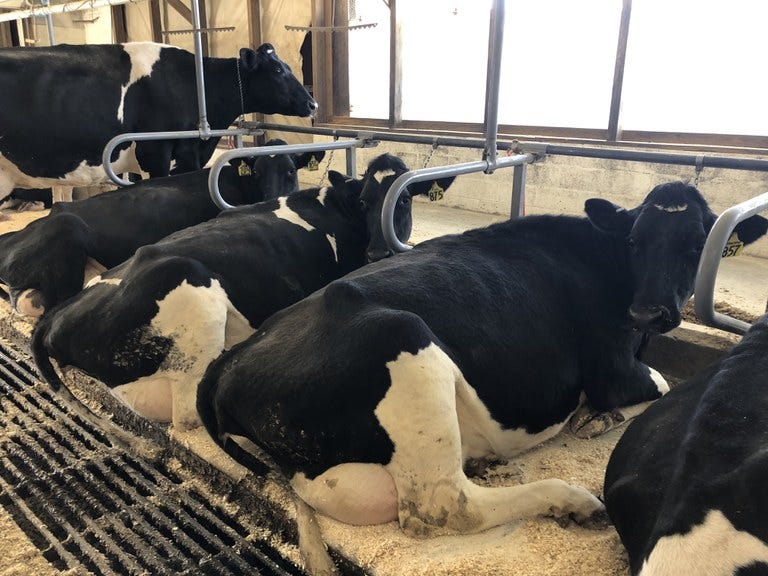
According to a 2020 study by Robles et al., bacterial counts were present in bedding even before use in dairy housing. In this study, recycled manure bedding had lower dry matter percentage and higher Streptococcus spp. counts compared to all other bedding types. Unused straw bedding was higher than all other bedding types in gram-negative and Klebsiella spp. counts. Gram-negative bacteria are usually cured after a few days without antibiotics, whereas gram-positive are treated with antibiotics. According to their research, lower DM in used bedding was associated with a higher Streptococcus spp. count. Other findings indicated that Streptococcus spp. count in unused bedding was higher in recycled manure when compared to sand, straw, and wood products. They also found that gram-negative bacteria counts were highest in straw, compared to manure solids, and compared to sand and wood. Klebsiella spp. bacterial counts were higher in straw than in all the other bedding types sampled (Robles et al., 2020). So, while it is possible to have some level of bacteria present in all unused bedding materials, those choosing to bed with recycled manure solids and straw may be starting with higher levels of bacteria than other bedding options.
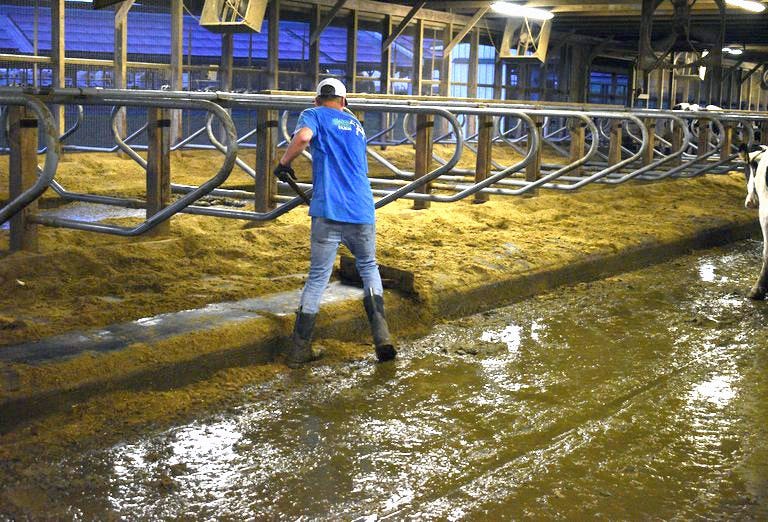
The frequency of bedding stalls can also affect bacterial counts. In the 2020 study, it was found that Streptococcus spp. was high in all used bedding types. However, Streptococcus spp. and gram-negative bacterial counts increased with days since additional bedding was added (Robles et al., 2020). Most organic materials will reach maximum bacterial growth 24 hours after it was added to the stall. Frequent grooming of stalls and rebedding can keep bedding fresh and bacterial counts low.

Bacterial counts in bulk tank samples differed on farms that utilized different bedding materials. Patel et al. (2019) found that bulk tank cultures were better in herds using new sand and organic materials compared to herds using manure solids. The study also found that herds using manure solids or organic materials were at higher risk for having a positive bulk milk tank culture for Staph. aureus compared with new sand bedding. In this study, the use of recycled manure bedding was generally associated with higher bedding bacteria counts, dirtier udders, increased coliform and streptococci-like organism counts in bulk tank milk, and poorer herd-level udder health compared with herds using organic materials, reused sand, or new sand (Patel et al., 2019). Similar results were found in the 2020 study that ranked the prevalence of bulk tank bacteria from highest to lowest for farms using recycled manure, followed by wood products, straw, and sand (Robles et al., 2020). Whichever bedding material is being used for milk cows, frequent grooming and rebedding of stalls is critical to reducing bacteria which can help keep new mastitis infections from arising.
Farms battling high SCC issues are often overwhelmed with determining the root cause of their problems. Determining what bacteria are present, where those bacteria originate, and how those bacteria are passed are all important steps in combating the problem. If environmental mastitis is the source of your problems, make sure you take a closer look at the bedding choices you are using as well as the management factors in maintaining that bedding.
References
Patel, K., Godden, S. M., Royster, E., Crooker, B. A., Timmerman, J., & Fox, L. (2019). Relationships among bedding materials, bedding bacteria counts, udder hygiene, milk quality, and udder health in US dairy herds. Journal of Dairy Science, 102(11), 10213-10234.
Robles, I., Kelton, D.F., Barkema, H.W., Keefe, G.P., Roy, J.P., Von Keyserlingk, M.A.G., DeVries. T.J. 2020. Bacterial concentrations in bedding and their association with dairy cow hygiene and milk quality, Animal ,14(5), 1052-1066.



Be the first to comment