
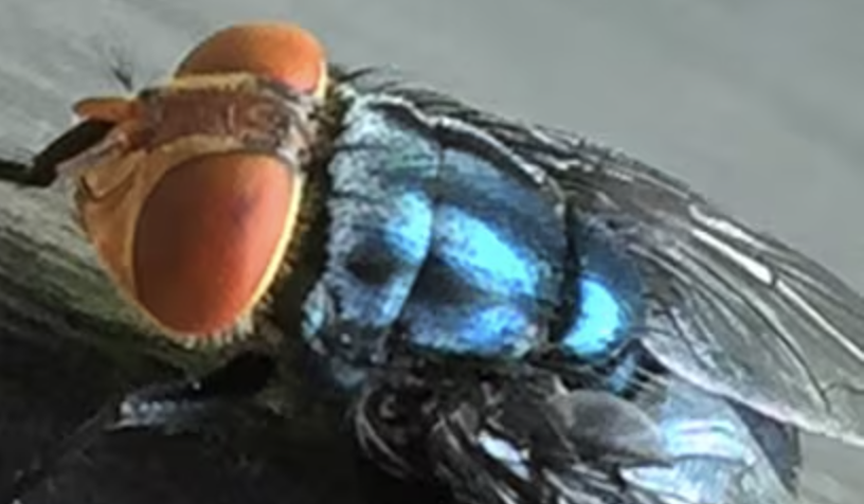
Lifecycle and Behavior
The New World Screwworm fly lays its eggs in open wounds or body openings of warm-blooded animals. The larvae, or maggots, hatch and burrow into the flesh, feeding on living tissue. This process can cause extensive damage to the host animal, leading to severe wounds, secondary infections, and even death if left untreated.
Impact on Dairy Cattle
Dairy cattle are particularly vulnerable to screwworm infestations due to their frequent handling and potential for minor injuries. The presence of screwworm larvae in wounds can lead to:
Reduced Milk Production: Infested cattle often experience stress and pain, which can significantly reduce milk yield.
Increased Veterinary Costs: Treating screwworm infestations requires veterinary intervention, including wound cleaning, larval removal, and antibiotics to prevent secondary infections.
Animal Welfare Concerns: Infestations cause severe discomfort and suffering for the affected animals, raising ethical and welfare issues.
Economic Impact
The economic impact of screwworm infestations on the dairy industry can be substantial. Costs associated with treatment, reduced milk production, and potential loss of animals can add up quickly. Additionally, trade restrictions may be imposed to prevent the spread of the pest, further affecting the industry’s profitability.
Geographical Distribution and Eradication Efforts
The New World Screwworm is found in parts of South America, the Caribbean, and Central America. The United States successfully eradicated the screwworm in 1966 using the sterile insect technique, but there is a constant risk of re-introduction.
Recent detections in Mexico have raised concerns about the pest’s potential spread to the U.S., prompting increased surveillance and preventive measures.
To protect the dairy industry from the New World Screwworm, several measures are being implemented:
Sterile Insect Technique: This method involves releasing sterile male flies to mate with wild females, preventing reproduction and reducing the population.
Regular Inspections: Dairy farmers are encouraged to regularly inspect their cattle for signs of screwworm infestations, especially in animals with open wounds.
Reporting and Quarantine: Prompt reporting of suspected cases to veterinary authorities and implementing quarantine measures can help contain and eradicate outbreaks.
The New World Screwworm poses a significant threat to the dairy industry, with potential impacts on animal health, milk production, and economic stability. Vigilant monitoring, effective control measures, and international cooperation are essential to prevent the spread of this destructive pest and protect the dairy industry from its devastating effects.
The current news and information received by DairyBusiness News over the past month indicates a serious potential for this to be the next big challenge for our industry.
1 Bovine Vet Online : https://www.bovinevetonline.com/news/industry/new-world-screwworm-moving-toward-u-s
2 Dairy Business News : https://dairybusiness.com/protecting-the-herd-from-new-world-screwworm/
3 Farm Progress : https://www.farmprogress.com/cattle-news/cattle-imports-from-mexico-restricted-after-new-world-screwworm-detection

Be the first to comment