
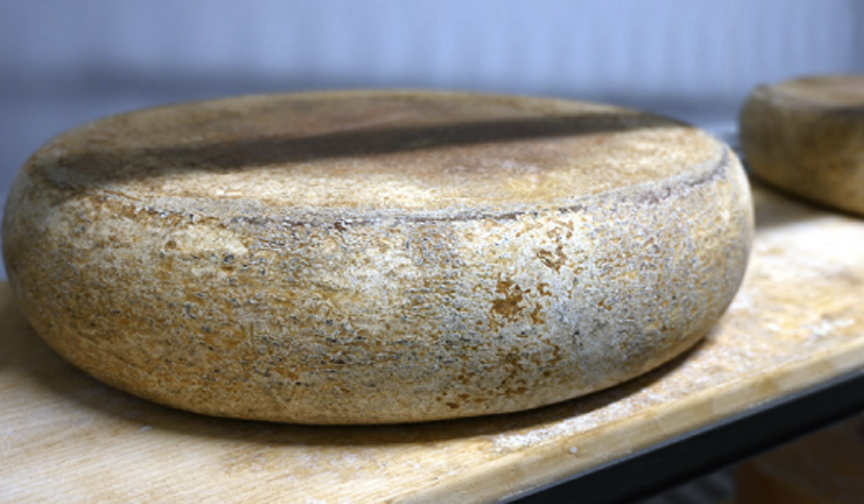
Utilizing traditional methods, like wood boards, has been found to give more complex flavors to the cheeses. There are many different factors at work – the wood utilized, the region the cheese is produced, the native microbiota, etc.
“Each biodiversity factor will synergistically influence the quality of the final products, with intense and diversified flavours even within a cheese variety, depending on the specific origin of the products” (Licitra, 2010).
Many bacteria on wood boards used for aging cheese could potentially assist in the formation of unique flavors that otherwise would not be existent on stainless steel and other sanitary mediums. Organisms such as Staphylococcus equorum which is known to be present in some cheeses has been associated with the formation of the aroma during cheese ripening (Irlinger et al 2012).
The exact attributes contributed by the wood boards will vary based on the cheese type and the affinage employed. The ability of the wood to wick moisture from the surface of the cheese also prevents rind-rot on the surface of cave-aged cheese.
In recent years, there has been debate as to the sanitary condition and cleanability of wood boards, since they go against 3A sanitary standards. However, multiple studies (see sources) support the use of wood boards for cheese aging if the boards are properly cleaned and maintained.
Here in Wisconsin, the Wisconsin Administrative Code (ATCP 65.28 (2) (a)) allows the Department of Agriculture, Consumer and Protection (DATCP) to authorize the use of alternate materials for product contact surfaces. For example, wood boards/shelving may be considered for use in the curing of cheese if the plant makes a written request to DATCP. The request is reviewed by a Dairy Technical Specialist at DATCP and final authorization must be given in writing by the specialist to allow for the use of wood boards.
Read More Here

Be the first to comment