
What leads to sustained, superior milk quality on a dairy farm? Instead of reviewing the literature on mastitis prevention and treatment, I thought I would go to a true expert on the subject. I decided to go to one of my long-term clients from when I was in dairy practice that consistently leads his county in the lowest cell count on DHIA tests. It also gave me an excuse to treat one of my favorite clients over the years to breakfast while I picked his brain on the secrets of his success. I’ll call him Paul for this article.
Many of the things that are done on Paul’s farm to result in high quality milk results from the importance of “forgotten cows” on a dairy farm. “Forgotten” cows are the ones that never draw attention to themselves because they remain healthy, don’t need special attention, live a long and productive life, and just show up for work every day without complaining. Paul has always focused on this concept, but advances in the dairy industry over the last decade or so have allowed him to get even beter results than in the past.
Paul gives a lot of credit to improved genetics and the ability to identify traits through the use of genomics. He focuses on mastitis resistance, longevity, and other health and reproductive factors to produce more “forgotten” cows in the herd. Moderate frame cows have always been a focus for the farm. Paul shares that he was surprised when he compared some of the bulls he used before genomics became available that were high in type traits related to his goals, but really weren’t that good on their genomic results once genomics became available. These types of traits are simply non-negotiable now from the bulls Paul chooses to use. Several generations of this focus are really showing up as Paul considers the makeup of his current herd.
Starting from this genetic base for “forgotten” cows, superior management by Paul’s family and employees allow these genetics to be expressed in the herd. Cow comfort has always been a focus on the farm, as they utilize a slated floor, thick mattress, kiln-dried shavings, and
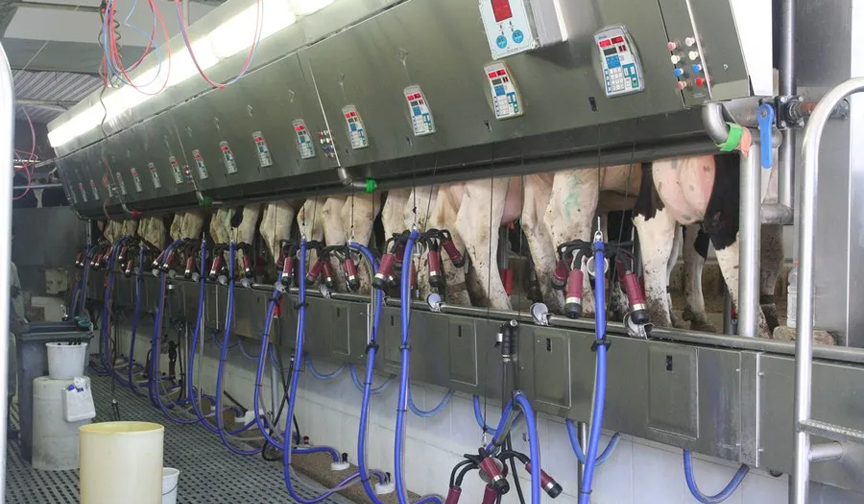
The milking routine is nothing remarkable – just good, sound techniques that have varied somewhat over time, but always include iodine type pre and post dips and square liners. A sound vaccination program – including some antigens related to mastitis prevention, use of dry cow treatment for both cows and heifers, and monitoring of udders in pregnant heifers – have been consistent management techniques used over the years. A well-managed reproductive program utilizing both heat detection and timed breeding have resulted in high conception rates as well as pregnancy rates. All of these factors together have led to lower culling pressure from reproductive failures, fresh cow transition problems, mastitis insults, lame cows, and mobility issues than many dairy herds. This gives the farm the luxury to cull for other things important to their goals – basically anything that leads a cow to be “not forgotten” as she draws attention to herself.
As is the case with nearly all successful dairy farms, feed quality and feed bunk management, along with a committed relationship with their nutritional advisor, help pull all the other factors together and leads the farm to overall success.
When I think of this herd, it hasn’t been an “overnight success” but rather decades in the making. Outsiders sometimes see someone show up at the top of a list and wonder what the key factor that put them over the top to achieve success was. In reality, it is usually many decisions and management changes over decades that have led to the success of the farm. For Paul, his family and his employees, that is the case. There are many factors involved with no easy fix to achieve the same results. To achieve improved success with your milk quality program, hopefully you can identify a few key factors outlined here that will move you closer to your goals.


Be the first to comment