
U.S. and Chinese Negotiators End This Week’s Talks With No Deal

Trade talks ended on Friday with no deal other than a commitment to continue to talk.
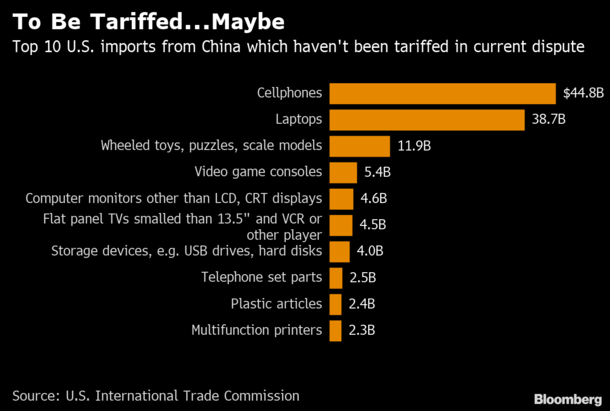
President Trump said that he would give China a month before he imposed an additional tariff on a new “List 4” of the remaining Chinese imports valued at $ 325 billion.
The MBS team will be doing outreach on an exclusion process for list 3 that had been promised if the tariffs were increased from 10% to 25% and noted in the federal register notice increasing the tariffs.
In case you missed our alert at 12:20 A.M last night:
USTR Notice Tariffs $200b of China Goods Now in Effect
- China Announces They Will Retaliate
A final notice submitted by USTR to the Federal Register on Thursday was implemented on $200 billion of Chinese imports increasing them from 10% to 25% from 10%. .
A few points to highlight from the draft notice:
- Per USTR’s official Federal Register notice, these tariffs are effective with respect to goods entered for consumption, or withdrawn from warehouse for consumption, on or after 12:01 a.m. eastern daylight time on May 10, 2019, and exported to the United States on or after May 10, 2019. This is different from past notices we’ve seen regarding the tariff issuance. This means the impact is not likely to be felt until most of these goods hit U.S. Customs in a week or so.
- USTR has further determined to establish an exclusion process for the products on this third tranche of tariffs.
- USTR will publish a separate notice describing the product exclusion process, including the procedures for submitting exclusion requests, and an opportunity for interested persons to submit oppositions to a request.
- It does not state if this exclusion process will be the same as it was for List 1 and List 2, nor the date that this process will begin.
What Happened Yesterday
Also on Thursday, Chinese Vice Premier Liu He arrived from China and met with U.S. Trade Representative Robert Lighthizer at the USTR office where they talked for about 90 minutes. After that he dined with Treasury Secretary Steven Mnuchin and Ambassador Lighthizer. They didn’t respond to a question about how the talks were going. While talks are set to resume Friday, it isn’t clear there will be any meaningful breakthroughs.
Retaliatory Measures Announced
China announced early Friday morning that they would retaliate against the U.S. but that they were will to continue to talk. China could raise the retaliatory tariffs already in place on American goods imposed last fall. When President Trump imposed his 10 percent tariffs, China responded by imposing its own additional tariffs on $60 billion of American goods. The tariffs ranged from 5 percent to 25 percent. That covered about two-fifths of Chinese imports from the United States. Agriculture would feel the greatest impact of such retaliation. The U.S. exports so much less from China than we import from them, that they have much less of a hammer than does the U.S.
How this Happened
Over the weekend, a new Chinese draft of the agreement deleted commitments on core issues that the U.S. had considered closed. Ambassador Lighthizer briefed President Trump which led to President Trump’s tweets on Sunday stating that China had reneged on the negotiations and threatening an increase in the tariff rate.
Quick Recap
In September 2018, List 3 tariffs on $200 billion worth of Chinese imports was initially set by USTR at a rate of 10%, and scheduled to increase to 25% on January 1, 2019. However, in December the 25% increase action was postponed until March 2, 2019. On March 5, it was postponed until further notice. Now USTR has determined the increase to 25% will take place on May 10, 2019.
Our MBS Trade Team will continue to monitor this pressing issue, and will send more alerts on the official notice and the exclusion process as the situation develops.


Be the first to comment