
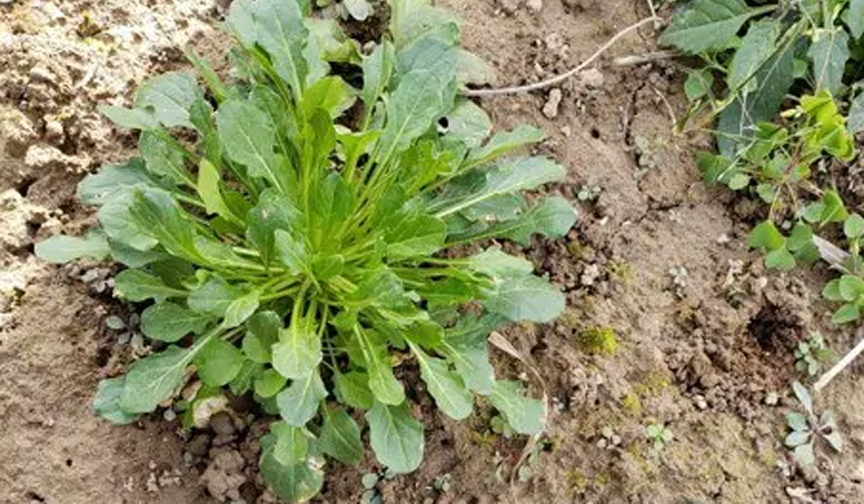
Fall is a great time to control winter annuals and perennials weeds as well as declining sod stands.
Contact herbicides (e.g., Sharpen, Gramoxone) and systemic products (glyphosate, 2,4-D, dicamba) are much less active at low temperatures. Relatively speaking, 2,4-D is slightly more active than glyphosate in cooler temperatures (<40°F); whereas dicamba tends to be more impacted by cold weather, therefore, tank mixing them improves overall control. As we move into late November, since foliar herbicide effectiveness decreases, the inclusion of a residual herbicide may be desirable in corn or soybean rotations. If you include a residual herbicide, research over the last several years has shown that any chlorimuron-containing product (Canopy, Cloak, etc.) is at the top of the list if soybeans will be planted next spring and simazine is one of the better products for fields going into corn. Other products that have had some success include Valor and Basis Blend.
In general, 2,4-D should be tank-mixed with any residual product. Also, when applying systemic herbicides this late in the year, make sure to include an adjuvant such as ammonium sulfate (AMS) and/or crop oil concentrate or methylated seed oil to ensure adequate uptake of the herbicide. Fall herbicide treatments should be kept in the cost range of $5-15/acre, if possible. Thus, glyphosate + 2 4-D (or dicamba) can be an initial low-cost option to consider that provides control of a relatively broad spectrum of weeds.
Weed management after silage harvest.
Now is the time of year when we start to get questions about the possibility of controlling weeds after silage harvest. The answers depend on what kind of weeds are being targeted. If perennial weeds (such as pokeweed, horsenettle, smooth groundcherry, Canada thistle, quackgrass, Johnsongrass, and dandelion) or biennial weeds (such as common burdock, wild carrot, and bull thistle) are present after silage harvest, then fall can be an excellent time to manage these. However, make sure that the foliage on the weeds appears relatively healthy and capable of absorbing the herbicide spray. In general, allow several days for the weeds to recover from the harvesting process and be actively growing. So, if that pokeweed you have been dealing with during the season is still standing and the leaves and stems are not too tattered after harvest, then there is still a great chance to control it yet this fall. The most common herbicides used for broad-spectrum control of many weeds in the fall is a tank-mix of glyphosate plus 2,4-D and/or dicamba (Clarity, etc.) for many broadleaves and grasses. Products containing triclopyr or metsulfuron tend not to be good options in this setting due to crop rotational issues on many successive crops next spring.
Kill declining stands of sod now
Fall is the best time to kill declining sod stands (i.e., pure stand alfalfa, grass hay, or mixtures). Although glyphosate is better at controlling alfalfa and perennial forage grasses in the fall than the spring, an additional herbicide application (e.g. 2,4-D/dicamba) or tillage will be required to completely control the alfalfa/mixture. Unless you plan to get one last spring cutting, now is the time to control that old hay field; do not wait until spring when it is more difficult to get an effective burndown kill prior to planting.


Be the first to comment