
Here in California, it’s been no secret that ARB and anti-animal ag activists have been hoping to hammer the dairy industry on its enteric emissions for some time. From my perspective, it appears the science is still under debate over how much of our dairy’s total emissions profile hinges solely on enteric reductions. But what is not a mystery is that there is no established technology that consistently reduces methane from cow burps today. What’s out there seems to be theoretical and subject to further testing on a
That brings me to the “why” this is happening. Other than ARB and anti-animal activists preferring dairies not exist in California, our own industry’s marketing has gotten way ahead of where the average dairy family is on this topic. Multiple cooperatives and creameries have been submitting requests to ARB to consider offering monetary credits to producers to “voluntarily” feed their animals experimental feed additives. The pitch to ARB is that if a methodology could be created to offset the cost of these additives, more producers would take advantage of that money -hypothetically speaking.
To cap off this messaging, many of our coops and creameries have launched ahead with “net-zero” campaigns that in addition to manure methane reductions, all but promise their customers that our farmers are already feeding additives for the purposes of reducing methane. Now, I know a lot of dairies are feeding different things for all kinds of reasons, but I haven’t met one who told me they were doing so because they were worried about enteric emissions. ARB has wanted to expand their authority to include enteric for some time, but WUD’s message of “enteric reductions aren’t possible now and the ARB is overreaching,” is not the same as “pay us money and we can feed these theoretical products.” This feels like a mixed message that will matter a lot to our industry’s successful methane reduction efforts.
This messaging and subsequent actions are extremely important to my dairy family’s future. On farm cost increases are 100% born by the families who have to suffer under this burden and allowing ARB a window to step foot onto our farms to micro-manage our enteric methane was not part of the deal we struck to reduce methane. If we green-wash our marketing by getting too far ahead of the farmers and our customers’ acceptance of these products, we risk compliance failure. Compliance failure is entirely born on the backs of our dairy farmers.
What’s worse – this recent mixed message to ARB significantly diminishes the amazing work our farmers have done and are currently doing to reduce methane and capture carbon! There have been phenomenal strides taken by the state and farmers to reduce methane in a calculated, scientifically backed way. We have a golden record on environmental progress – the best in the world. We’ve met California’s expectations of exceptionalism over and over. Marketing our sustainability should be executed in a way that brings quantifiable value to the farmer, and we have many tools already available to do so.
Our farmers can help with this fight by banding together. We need to stay firmly in control of the debate around regulatory compliance to protect our on-farm costs. The control should not shift to people whose bottom line is not affected should these feed additives become mandatory. So, start asking questions of your processor, coop, or creamery. What is being done to make sure our marketing strategy on sustainability doesn’t create more regulatory cost increases for my farm?
All dairy farmers of all sizes and production styles across the state [and country] have a claim on this issue and deserve the chance to choose their own unique sustainability practices. Enteric feed additives -should they ever pass the high bar for approval needed to protect our animals and our consumers, are just one of those choices. But let’s work together to make sure it stays a choice and not undermine the dairy family’s ability to farm in the most sustainable way possible – the way we don’t lose money.
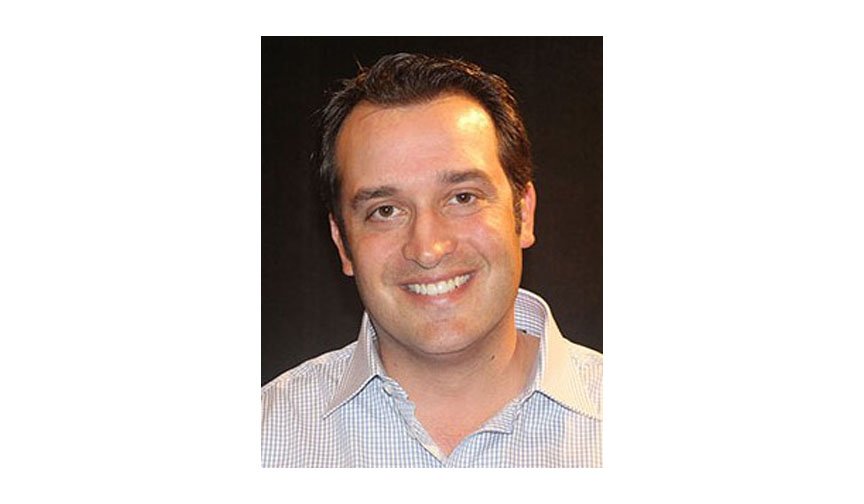
Editor’s note: Devin Gioletti dairies with his parents and brother near Turlock, Calif., milking 3500 cows on 2300 acres. His grandparents started farming here in 1942.
This column appears in the Aug. 3 edition of the WUD newsletter. In giving permission for us to present this message, CEO Anja Raudabaugh writes: “WUD is deeply concerned about conflating regulatory requirements on farm (California law mandates we reduce our methane by 40%) versus our cooperatives/creameries setting marketing objectives to sell our milk. Because California is positioned so much differently than the rest of the country with methane reduction, this isn’t something we can miss on if we swing. Enteric technology is largely speculative and generally makes farmers, and consumers as well, deeply uncomfortable. Theoretical costs, effects on milk production, and effects on cow health are all too unknown at the moment yet our cooperatives (and NMPF and DMI) have moved well ahead with commitments to consumers in this space. Hence, the alarm being raised.”

Be the first to comment