
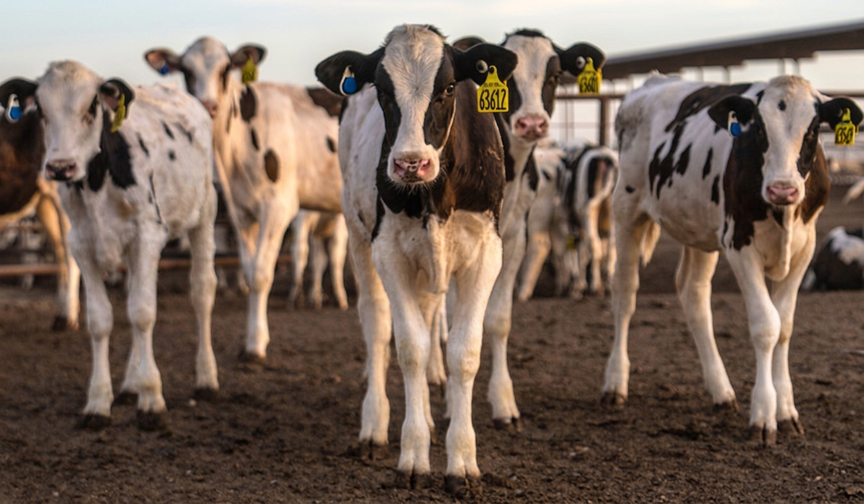

When it comes to preventing diseases on your dairy, vaccination is not a “set it and forget it” task. While vaccination is a key component of disease prevention, it’s important to distinguish vaccination from immunization. Vaccination is the act of administering a vaccine. That act alone does not protect animals from disease. The goal of vaccination is to achieve immunization — an appropriate immune response in the animal that provides disease protection.
Many factors can affect the immune response of individual animals. In fact, as many as 20% or more of animals may not respond to vaccination. That’s where herd immunity comes in.
What is herd immunity?
Herd immunity is the “critical mass” of immunization. Whether we’re talking about a herd of cows or a population of people, when enough individuals are immunized, herd immunity will help protect susceptible or non-immunized members of the group.
The same is true on a dairy or calf-raising operation. If your herd has not experienced a disease for a few years, it may be tempting to cut back on your vaccination schedule. To maintain herd immunity, it’s important to continue following a consistent vaccination program. You need enough vaccinated and immunized cattle in your herd to protect others from respiratory diseases and other types of pathogens that may be present. In a healthy dairy herd, herd immunity is just as important as individual animal immunity. Gaps in herd immunity can undermine any disease prevention program.
How pathogens differ
The more infectious the disease, the more important it is to achieve herd immunity. R0, or “R naught,” is a mathematical term that measures how contagious an infectious pathogen is. The higher the value, the more infective or contagious the virus.
Acquired immunity from vaccination lasts longer in some pathogens than others. In humans, measles is a relatively stable virus, and a two-shot protocol for children generally provides lifelong protection. Other diseases, such as tetanus, require a booster every 10 years to maintain immunity. In contrast, seasonal influenza (flu) viruses mutate rapidly, so doctors often recommend annual vaccination.
Likewise, it’s important to follow revaccination or “booster” schedules to maintain a consistent level of herd immunity in your cattle. Follow your veterinarian’s guidance on the type of vaccines and frequency of revaccination.
How to maximize immune response
Herd immunity depends on maximizing the immune response of every animal. Remember, if an individual cow, heifer or calf doesn’t respond to a vaccine, it’s usually due to conditions affecting the animal, not the efficacy of the vaccine. Even the best vaccines can’t overcome deficiencies in colostrum, nutrition or environment.
Keep these management tips in mind to give every animal the best chance of achieving an immune response:
-
Handle and administer vaccines properly. To maintain potency, store vaccines at the proper temperature and keep bottles and syringes out of sunlight. Always follow vaccine label instructions. To prevent cross-contamination, change needles after every few animals and disinfect needles or discard after use.
- Vaccinate healthy animals. To effectively respond to vaccination, animals should be in positive energy and protein balance. Ensure proper nutrition, hydration and adequate bunk space in group pens.
- Maintain a healthy environment. Keep pens clean and dry, and make sure animals have enough space to move around freely and rest. Pay attention to ventilation.
- Avoid vaccinating during times of stress. High cortisol levels caused by stress can affect animals’ immune response Avoid vaccinating during stressful times like dehorning, weaning or pen moves. Look for good weather windows when scheduling vaccination. Check your weather app and ask yourself: Is this a good time to vaccinate?
Remember these key takeaways
In conclusion, it’s important to understand the difference between vaccination and immunization and how herd immunity protects susceptible animals. To achieve herd immunity, consult your veterinarian on best practices to set up conditions for optimal immune response. Your veterinarian can provide guidance on a vaccination program that fits your herd location and situation. Strive for a vaccination program that induces immunological response and herd immunity, while improving cattle health and performance.
©2026 Merck & Co., Inc., Rahway, NJ, USA and its affiliates. All rights reserved. 7/26 US US-NON-260700017


Be the first to comment