
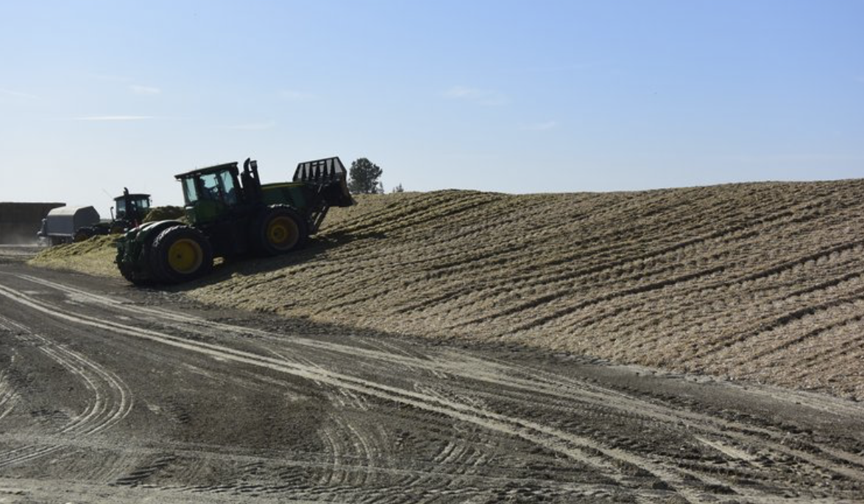
Maybe we just met at a trade show or meeting, or you’re a current customer – either way – thanks for taking time to read our message.
1. Next Generation Bale Protection
Raise your hand if you’re feeding round or square large bales!
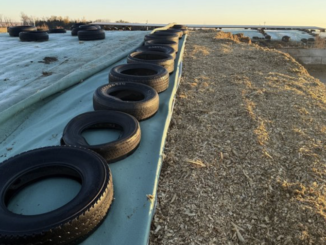
Large bales lose their value when left uncovered – rain, hail, sun exposure eat away at the valuable nutrients you expect to feed. Plastic covers are bulky to put on and hold in mold-forming moisture; they tear and end up in the field, the neighbor’s yard, or worse, in a grazing pasture. Sheds are expensive and sometimes impossible to build. There’s an easier way to preserve hay for longer: Flortex® Bale Felt.
Introducing Flortex® Bale Felt – the advanced simple solution designed to safeguard your baled forage investments like never before.
-
Easy to apply and suitable for various bale sizes and types, this protection method integrates seamlessly into your existing practices. No complicated setups or additional equipment are required—just a straightforward solution that delivers results.
-
Rain sheds off the stack plus Flortex® bale Felt is breathable, allowing air to move through, staying on the pile, further drying and protecting your valuable crop.
-
Reusable 3 to 5 years. It’s got “sustainably functional” written all over it.
Learn more about Flortex® Bale Felt here. Make the smart choice for your farm’s future. Control the controlables. Call us today to get yours. Mention this newsletter, get a free set of green augers.
2. To-Do: Make a Harvest Plan
It’s never too early to think about harvest. See our 12-Step Silage Success article in the June 2024 issue of Feedlot Magazine.
More inventory — the bunker or pile lasts longer with more tonnage and fewer feed losses. Every inch of discolored (black, tobacco brown, or carmel-colored) started as 4 inches of [insert $$ per ton you paid] potential inventory.
Better nutrition — it makes sense that cattle will eat more, milk better, and have less rumen upset when fed a higher-quality feed. Make good use of every pound of nutrition you’ve paid for.
Safer working area — silage bunkers and piles are dangerous places, but if we build them correctly, we can increase their density and decrease height, which can help avoid avalanches and falls.
No matter how many harvests you’ve done, there’s always something new to learn and improvements to make.
3. Who’s that?
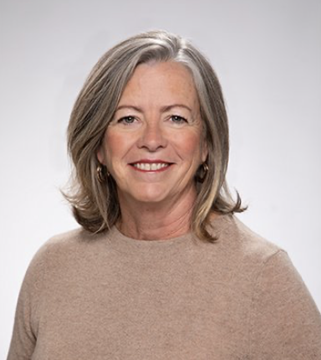
We’ve worked with the dairy industry for over 25 years, helping farmers make more, better, safer silages. Being relatively new to the beef world (past 10 years), we appreciate the welcome from the industry. Our credentials continue to add up as we gain the confidence of more and more feedlot managers and owners, and we are always excited to teach and advise as asked. With that in mind, we’ll introduce ourselves and our family-owned and operated business one at a time.
Connie Kuber is co-owner of Connor Agriscience and Sealpro®. She’s a veteran communicator in the ag world: putting pen to paper, keyboard to screens, and most recently co-hosting a podcast for DairyVoice. She’s a bona-fide dairyman’s daughter with a new-found curiosity for the beef industry and a belief that cattle people are the world’s best. Her favorite title? “Gonnie” to her sweet granddaughter.
Be the first to comment