
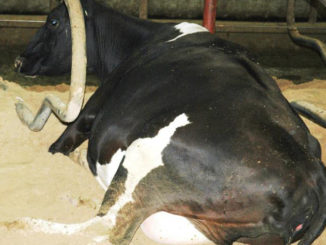
Dairies have lots of bedding choices, but cows are clear about what they like best. When given the option, cows will pick a deep-bedded sand stall over a hard surface.
For farms that follow their cow’s lead and bed with sand, there are many options when it comes to sourcing this material. Reasonably priced sand from local sources is usually the first choice, but sand quality can vary widely.
The most common sand types are:
- Silica (Frac) sand
- Beach sand
- Screened sand
- Mason sand
- Concrete sand (2NS sand or torpedo sand)
- River sand
For instance, coarse sand may make it easier to recover particles from manure; however, this sand type typically has more pebbles and stones, which can negatively affect cow comfort and impact foot health.
Fine and natural sand obtained from beaches and riverbeds may also contain pebbles and other organic materials, which reduces its quality. This type of sand can also pack in stalls and harbor moisture.
On the other hand, fine sand stays in the stall longer, so a smaller amount is required, making it attractive when it comes to reducing sand purchase costs. However, fine sand also becomes more compact and is harder to recover from manure slurry for recycling. It is also more difficult to remove from manure effluent that’s destined for anaerobic digestion.
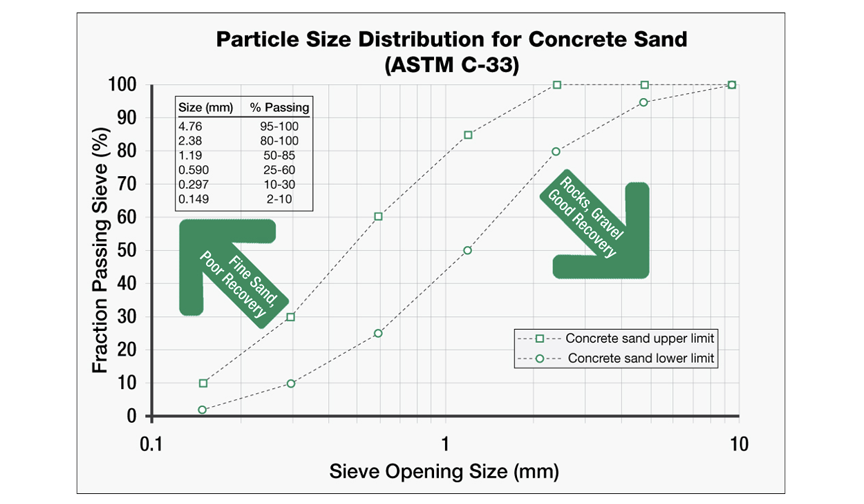
Mason and concrete sand have fewer pebbles and stones that can cause injury to cows and are usually a dairy’s best bet when it comes to sand purchases. Concrete sand, also known as torpedo sand or 2NS sand, is characterized by the American Standard for Testing Materials specification ASTM C-33.
The benefits of washed concrete sand include:
- Minimal fines (silt and clay)
- Higher sand recovery
- Better drainage
- Staying loose in stalls
- No unwanted gravel, which can be a problem in alleys and stalls
It’s good practice to test your new sand for quality and consistency.
System maintenance cues
Seek systems specially designed to provide a long service life under abrasive conditions. Understand and plan for some items to require replacement at acceptable and predictable intervals. Failure to maintain components in the system will cause it to operate ineffectively.
Regular system maintenance should include:
- Moving sand
- Visually inspecting all the equipment prior to starting the system or at the beginning of each shift
- Lubricating machines per the equipment manufacturer’s schedule
- Replacing worn items and equipment as necessary
Sand lanes also require regular inspections and maintenance. This tool will begin to lose its effectiveness if sand isn’t removed on a regular basis.
Additionally, the high volumes of flush water used in a sand lane are supplied with flush pumps. As these pumps begin to wear, their flow begins to decline, which can lead to poorly cleaned alleys and plugged flume lines.
Regular maintenance of this system should include:
- Removing sand from lanes daily (at minimum)
- Conditioning sand as necessary
- Lubricating equipment per manufacturer’s schedule
- Replacing worn items and equipment as necessary
Sand continues to provide the most comfortable resting place for cows. Although using it comes with some challenges, these can be overcome with proper sand selection and a well-designed sand separation system that is properly managed and maintained.
Learn more about how to maintain your manure systems and optimize sand choices.

Be the first to comment