Through public partnership, California dairy farmers have made world-leading progress, but more funding is needed to achieve goals and ensure long-term success.
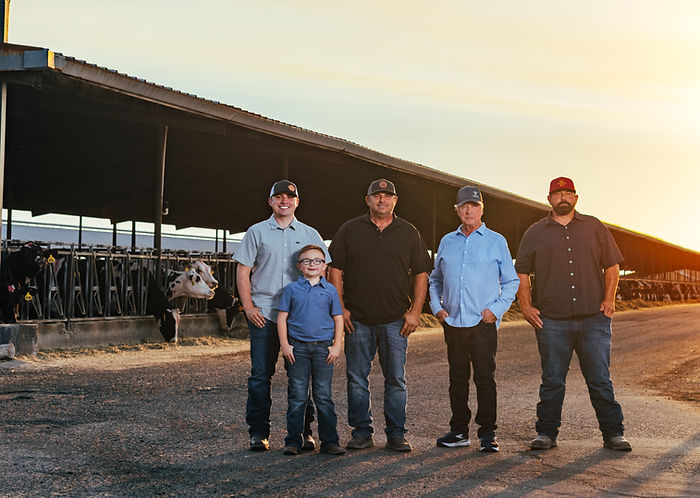
California’s dairy farms operate under the highest standards for food safety, labor, and environmental protection. This leadership can come with significantly higher input costs, as compared to milk production elsewhere. Dedicated to their land and their communities, California’s dairy farm families have continued to invest in improvements to ensure the long-term sustainability of their operations. Public partnership has been essential in this effort, allowing California’s dairy farmers to serve as world leaders in climate action, while also taking important steps to improve water management.
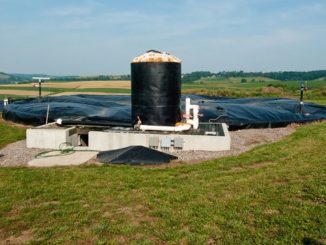
Agricultural programs funded under California Climate Investments have returned “bang for buck” in both greenhouse gas (GHG) reductions and significant air quality benefits. Incentive payments help buy down the capital costs of expensive projects, such as digesters and alternative manure management strategies, or the purchase of cleaner agricultural equipment to replace older models. Project construction and maintenance create jobs and economic growth in rural, disadvantaged communities, while providing significant air quality benefits.
Although considerable progress has been made, additional emission reductions are needed to meet statewide GHG, methane, and air quality goals. Prioritizing agricultural investments that allow for the turnover of older agricultural equipment (via the FARMER program), development of dairy methane avoidance and capture projects (via the AMMP and DDRDP), and investment in sustainable food production technologies (via FPIP) will all be critical to meeting our state’s clean air and climate goals. Agricultural investment programs are highly over-subscribed. Total funding needed for the highly cost-effective programs currently exceeds $1 billion, in order to achieve necessary emission reductions and clean air benefits.
Water Stewardship
One key incentive program, made possible through federal, state, and dairy sector partnership, is available now to support California dairy farmers with water quality goals. The Dairy Plus Program is currently seeking project proposals, to help advance manure management practices and improve water quality protection, while also reducing methane emissions. The program is funded through the U.S. Department of Agriculture (USDA)’s Advancing Markets for Producers (AMP) Initiative, and it is administered by the California Department of Food and Agriculture (CDFA)’s Office of Agricultural Resilience and Sustainability (OARS) in partnership with the California Dairy Research Foundation and other dairy partners. A total of $34 million is available to be awarded in what is anticipated to be the final round of the Dairy Plus Program. Like other dairy incentive programs, Dairy Plus has historically been oversubscribed with applications, and another robust set of submissions is expected by the September 14 deadline. Support from Dairy Plus continues to be critical for California dairy sector’s sustainability journey.
Community Commitment
The dairy sector also supports the need to continue funding California’s SAFER program (Safe and Affordable Funding for Equity and Resilience). SAFER is designed to establish long-term, sustainable solutions for water systems where Californians are in need of safe and adequate drinking water, helping to reduce the disproportionate environmental burdens experienced by some communities.
Maintaining the Promise of California Dairy
Further progress and success in California’s planet-smart dairy farming depends on continued support for farm incentive programs.

Be the first to comment